Archive

2026

Browsing

President Donald Trump’s latest push to slash prescription drug prices promises relief at the pharmacy counter, but behind the headline savings lie trade-offs that could reshape how drugs are developed, priced and delivered in the United States.

To deliver on that promise, the administration has rolled out TrumpRx, a federal price-comparison platform aimed at lowering out-of-pocket costs. The effort unfolds against the backdrop of the midterm election cycle, where rising healthcare costs remain a central concern for voters and a defining campaign issue.

The political appeal is clear, but experts warn the economics are messier. Economists point to a basic trade-off: lower prices today can shape how and whether new drugs are developed tomorrow.

‘When drug prices are capped or negotiated down, companies anticipate lower returns, reducing investment in drug research and development,’ said Olivia Mitchell, a professor of business economics and public policy at the Wharton School.

‘Economic evidence shows that lower prices depress incentives to develop new drugs,’ she added. 

‘In the short term, patients and payers can see meaningful savings through lower prices and out-of-pocket costs, but in the longer term, there is more risk of fewer or slower-arriving new medicines, especially in areas most exposed to price controls.’

Michael Baker, director of healthcare policy at the American Action Forum, said government price setting does not eliminate costs so much as redistribute them.

‘At the most basic level, government price setting only limits what patients pay for a drug — usually reflected in an out-of-pocket or co-insurance payment,’ Baker said. ‘This does nothing to address the overall cost of the drug, which someone still has to pay, nor does it lower the cost associated with development.’

As a result, he said, those costs could reemerge through tighter health coverage rules, fewer treatment options or reduced future innovation.

Supporters of the administration counter that the policy does not amount to strict government price caps. Instead, they describe it as a negotiated arrangement.

Ed Haislmaier of the Heritage Foundation said companies appear to be lowering prices in exchange for expanded market access or other relief, a structure he argues avoids the most disruptive effects of traditional price controls.

‘In such cases, companies are likely calculating that revenue losses from lower prices will be offset by revenue gains from more sales,’ Haislmaier told Fox News Digital. 

‘The kind of government price controls that are most damaging to innovation are ones that limit the initial price a company can charge for a new product. That is the situation in some countries, but fortunately not yet in the United States,’ he added.

For patients squeezed by rising costs, the promise of immediate savings is hard to dismiss. 

But economists say the long run question is whether the system can deliver cheaper drugs without dulling the incentives that produce the next generation of treatments —an issue both parties are likely to keep pressing as health costs stay front and center.

This post appeared first on FOX NEWS

Lawmakers on Capitol Hill could soon add another priority to their growing agenda as Republicans work to navigate a partial government shutdown and other deadlines looming in the next several weeks — weighing whether to provide additional cash to fund President Donald Trump’s operation in Iran.

Early chatter is beginning in the House of Representatives over a potential supplemental funding bill to aid the U.S. and Israel’s joint strikes on Iran, depending on how long the operation lasts and how much both countries bear down on the Islamic Republic.

House Appropriations Committee Chairman Tom Cole, R-Okla., told reporters last week that he would ‘expect’ a supplemental funding request from the Department of War ‘well before the end of the year.’

‘We’ve been told the Pentagon is looking at it, but we haven’t been given anything about an amount or time frame yet,’ Cole said.

Asked by Fox News Digital about what kind of price tag he would expect, Cole speculated, ‘Maintaining two carrier battle groups in action is not a cheap thing, not to mention all the other resources that are being expended. So I would expect it to be very robust.’

‘It’s been a pretty frequent part of conversation,’ House Foreign Affairs Committee Chairman Brian Mast, R-Fla., told Fox News Digital of an Iran funding bill.

House Homeland Security Committee Chairman Andrew Garbarino, R-N.Y., also told Fox News Digital he would ‘absolutely’ back a defense supplemental funding bill.

A senior member of the House Appropriations Committee, who was granted anonymity to speak freely, said they envisioned a modest increase in funding for Iran but said there were multiple variables at work that made a total cost unknowable at this point.

‘It depends on how long it lasts,’ they said. ‘A lot of this depends on, do our Gulf Coast partners participate? If they do, that helps. It depends on how long Israel goes. But we’ll definitely need some more munitions, so I’d say a small supplemental is probably important to just restock.’

But it will likely be difficult to sell the need for more Iran funding to House Democrats, many of whom have argued Trump’s involvement has amounted to an illegal war.

‘We’ll cross that bridge when we get to it in terms of if the administration makes a request to Congress to consider additional funding,’ House Minority Leader Hakeem Jeffries, D-N.Y., told NBC’s ‘Meet The Press’ on Sunday. ‘But at this particular point in time, the administration has failed to make its case as to the rationale or justification for this war of choice in the Middle East.’

And with the House GOP’s razor-thin majority, which is expected to grow to two votes after a special election in Georgia this week, Republican leaders could have a tough time appeasing fiscal hawks in their own party.

‘We need to know what the terms of the conflict are going to be, how long — a lot of us are very happy with going after and taking out Iran’s capabilities and taking out a lot of their bad guys, but what’s the endgame?’ Rep. Chip Roy, R-Texas, said to Fox News Digital.

‘Number two, is it paid for? So, you know, general support for what we’re doing to go after the bad guys, but we’ve got to know what the limits are and how much it’s gonna cost, and if it’s paid for.’

Even if it passes the House, such legislation would need 60 votes to advance in the Senate, meaning at least several Democrats would need to be on board. 

Fox News Digital reached out to the Department of War for additional comment.

This post appeared first on FOX NEWS

Happy new year. Almost.

The ball doesn’t drop on the 2026 NFL league year – officially – until 4 p.m. ET on March 11. But pending free agents will begin charging their glasses at noon on March 9, when they can begin negotiating contracts with outside teams. (Those same players can re-sign with their current employers at any time, and those who have already been released from their present deals can sign wherever they please immediately.) Clubs can also continue putting the framework in place for trades, like Friday night’s blockbuster involving Maxx Crosby’s move from the Las Vegas Raiders to the Baltimore Ravens, though no transactions on that front can become official until the league year starts.

Got it?

With that in mind, here is the latest iteration of USA TODAY Sports’ list of top 100 NFL free agents in 2026 – it will be updated accordingly as players begin striking it rich − in what is, honestly, something of an uninspiring group overall (^denotes a franchise tag; *denotes a player whose contract was terminated, making him eligible to sign immediately; **denotes a player who’s been informed of his pending release):

1. WR George Pickens^

The Dallas Cowboys have already franchised him, Pickens now due a guaranteed $27.3 million for the 2026 season – assuming he signs the tag at some point. Yet he could also still be traded or even potentially sign an offer sheet from another team – which the Cowboys would have the right to match or receive two first-round picks as compensation if they chose not to. But don’t bet on such a bold scenario materializing.

“Very clearly, the Cowboys want George Pickens to be a part of our future,” Cowboys owner Jerry Jones told a select group of reporters, including USA TODAY Sports’ Jarrett Bell, at the scouting combine.   

Regardless, Jones has a big decision ahead on Pickens, just as he did last year with former Dallas DE Micah Parsons. Pickens is coming off a career year (93 catches for 1,429 yards and 9 TDs, all personal bests) just turned 25 … and may be absent from the team’s offseason program as along as he’s without a long-term extension. Obviously a good fit in Dallas’ offense last season, Pickens isn’t for everyone. But his 2025 effort strongly suggested his production and potential are quickly coming into alignment.

2. C Tyler Linderbaum

Full transparency, he was ranked third in this list’s original version – but his age and ability may render him the richest man to emerge from this year’s free agency cycle. Ravens GM Eric DeCosta revealed at the combine that the team had made Linderbaum “a market-setting offer.” (Creed Humphrey’s four-year, $72 million pact with the Kansas City Chiefs is currently the financial benchmark among centers.) However, DeCosta wasn’t willing to franchise his 25-year-old three-time Pro Bowler because the lofty tag is based on all O-line deals, which would mean paying a center left tackle money. DeCosta is also trying to address QB Lamar Jackson’s contract − he currently carries a cap charge of $74.5 million in 2026 and ’27 – while taking on Crosby’s deal, limiting the team’s financial flexibility to some degree. Now, an immediate (and likely frenzied) bidding war will doubtless commence around Linderbaum.

Best fits: Ravens, Giants, Titans, Commanders

3. OLB/DE Jaelan Phillips

It’s hard to come by untethered edge defenders theoretically entering their prime. But Phillips, 26, could be one of the belles of the FA ball after being acquired by the Philadelphia Eagles at last year’s trade deadline. He finished the season with five sacks and 63 quarterback pressures, per Next Gen Stats. More importantly, he appeared in 17 regular-season games for the first time since 2022 after injuries ruined his following two seasons. Strong against the pass and run, the 6-foot-5, 266-pounder should find a very robust market.

Best fits: Patriots, Eagles, Ravens

4. DE/OLB Trey Hendrickson

After registering 35 sacks between the 2023 and ’24 seasons, including a league-leading 17½ in the latter campaign, the 31-year-old was limited to seven games by injuries last year − that in the wake of a contentious offseason with the Cincinnati Bengals. Regardless, his services should be in high demand now that he’s going free.

Best fits: Patriots, Colts, Cowboys

5. QB Daniel Jones^

Jones was tagged March 3 − but with a transition tag, not the franchise variety, meaning he is exposed if another team swoops in with an offer the Indianapolis Colts aren’t willing to match (or get compensated for). A torn Achilles last December cut short what had been his best season statistically (238.5 passing yards per game, 100.2 QB rating) to that point. The QB trend du jour that may be forming in the NFL could be finding a reclamation project who won’t necessarily eat up a massive chunk of the salary cap − and Jones, 28, can thank Sam Darnold and Baker Mayfield for their ongoing heroics. Hard to believe Indy will allow Jones to gauge his worth with the rest of the league, though … especially when his previous team, the Minnesota Vikings, could suddenly become very interested if he’s not secured soon.

Best fits: Colts, Vikings

6. OLB/DE Odafe Oweh

He has 17½ sacks and 98 pressures as a part-time starter over the past two seasons, which were split between the Ravens and Los Angeles Chargers. Heady numbers for a 27-year-old who should be ready for a bigger role … and certainly a larger paycheck.

Best fits: Titans, Chargers, Patriots

7. QB Malik Willis

He could be this year’s version of Justin Fields − a quarterback with intriguing skills but limited experience who can nevertheless capitalize financially given the high demand but low supply at his incomparably critical position. Willis, 26, has far fewer NFL reps than Fields but really impressed while filling in as a spot starter for the Green Bay Packers the past two seasons, completing nearly 80% of his passes while throwing six TDs and zero INTs. In addition to a gaudy 134.6 passer rating, Willis can also move like a tank. Keep an eye on the Miami Dolphins, who just plucked their new GM (Jon-Eric Sullivan) and coach (Jeff Hafley) from the Pack, as a potential buyer. The Cardinals, too, given new coach Mike LaFleur is the brother of Green Bay HC Matt LaFleur. Willis is another passer who didn’t pan out after he was drafted yet could be a relative bargain now if his limited sample size proves reflective of his long-term prospects.

Best fits: Dolphins, Cardinals

8. WR Alec Pierce

Similar to Rashid Shaheed, he could be an elite No. 2 receiver in the right system. Unlike Shaheed, he doesn’t bring any special teams value. However Pierce, 25, has led the league in yards per reception each of the past two seasons (21.8 ypc over the duration) and is coming off a breakout year with 47 grabs for 1,003 yards. Pierce should get paid nicely, especially if a prospective employer views him as more of a deep threat.

Best fits: Colts, Broncos, Titans

9. OT Rasheed Walker

He’s been a solid, if unspectacular, starter for the Packers since 2023. But serviceable, 26-year-old left tackles don’t grow on trees and tend to get paid outrageously well − maybe especially so in a year when there aren’t any blue-chip incomers in the draft.

Best fits: Browns, Bears

10. WR/KR Rashid Shaheed

The big-play ability he flashed for years with the New Orleans Saints translated beautifully − and crucially − when the Seattle Seahawks obtained him last November. Shaheed, 27, seemed like the final piece for the ‘Hawks’ championship puzzle and delivered huge catches and returns in pivotal games down the stretch and in the postseason. However it should be captivating to see what Shaheed can fetch given he’s never been a No. 1 receiver nor averaged 600 receiving yards during his four-year career. Still, his return ability − at a time when the kickoff is becoming an increasingly important component of the game − could really drive up his price tag.

Best fits: Seahawks, Raiders, Broncos

11. TE Kyle Pitts^

The No. 4 overall pick in 2021 − the highest-drafted tight end ever − Pitts, 25, never seemed to fully reach his potential with the Atlanta Falcons, which isn’t completely an indictment of him. But he was a second-team All-Pro in 2025 and did just put together his best season since he was a rookie, catching a career-high 88 passes and five TDs. Pitts could really take off in an offense that truly leverages his estimable abilities … and maybe even has the foresight to feature him in the red zone. He stands to make $15 million under the tag in 2026, though it remains to be seen if new coach Kevin Stefanski’s offense will sustain Pitts’ production.

12. RB Breece Hall^

Though the New York Jets seemingly purged much of their talent at last year’s trade deadline, they hung on to their 24-year-old back. And why not? Hall has averaged 1,260 yards from scrimmage and nearly seven TDs during his four seasons − and for a pop-gun offense. Explosive and an excellent receiver, Hall is the best runner on the market and may yet be a cornerstone for the NYJ as they lay the groundwork to welcome their next franchise QB … eventually. Hall’s 2026 tag is worth $14.3 million.

13. QB Kyler Murray**

He offered a digital goodbye on X amid reports on March 3 that the Arizona Cardinals will be officially releasing the No. 1 overall pick of the 2019 draft. An Offensive Rookie of the Year and two-time Pro Bowler, Murray’s talent has never been in question. But his durability and work ethic have been at issue during his career, and his play plateaued even though former coach Kliff Kingsbury’s offense was supposed to optimize Murray’s abilities. Murray will be 29 when Week 1 rolls around and maybe he becomes the league’s latest successful franchise QB turnaround project if he lands in the right spot. If he doesn’t? His days as a starter could be numbered.

Best fits: Vikings, Jets, Falcons

14. S Coby Bryant

After struggling as a corner earlier in his Seattle career, he’s flourished as a safety the past two seasons − and the 26-year-old should get a nice bump given the league’s other teams always look to raid the most recent Super Bowl champions.

Best fits: Seahawks, Chargers, Ravens

15. LB Devin Lloyd

A first-rounder of the Jacksonville Jaguars in 2022, he blossomed into a Pro Bowler last season as the team blossomed around him. If the Jags don’t pony up to keep their 27-year-old defensive quarterback, someone will.

Best fits: Panthers, Commanders, Jets

16. CB Jaylen Watson

He’s big (6-2, 197), young (27), still experienced (29 starts) and playoff tested. Watson is coming off his best season but is probably a luxury for the capped-out Chiefs.

Best fits: Chiefs, Jets, Seahawks

17. S Bryan Cook

He’s emerged as a key component of Steve Spagnuolo’s K.C. D in recent years. A steady, reliable player, Cook, 26, should be a stabilizing presence if not one who’s going to make a ton of splash plays.

Best fits: Chiefs, Raiders, Titans

18. RB Kenneth Walker III

The 25-year-old Super Bowl MVP will get a hefty raise in Seattle or elsewhere. But Walker is not the second coming of Saquon Barkley, isn’t as good an every-down player as Hall and has spent most of his career in a platoon. The guess here is that Walker won’t come close to resetting the compensation scale at a position that generally doesn’t command top dollar.

Best fits: Seahawks, Steelers, Chiefs

19. WR Jauan Jennings

A 6-3, 212-pounder, the 28-year-old caught 132 balls (15 for TDs) over the past two seasons for the San Francisco 49ers. Jennings’ roots as a quarterback also make him quite a threat on trick plays. He’s also the proverbial dog that some locker rooms covet … and others won’t.

Best fits: Commanders, Raiders, 49ers

20. WR Mike Evans

He’ll be 33 by Week 1 and is coming off the worst of his 12 NFL seasons. But 6-5 and 231 pounds don’t fade like speed does, and a healthy Evans (he wasn’t in 2025) should be a dangerous offensive weapon, red-zone monster and top-tier leader again in 2026 − whether it’s for the Tampa Bay Buccaneers or someone else.

Best fits: Buccaneers, Patriots, Seahawks, Bills

21. CB Nahshon Wright

Though he’s already 27, he’s hardly a finished product. He’s also a 6-4, 199-pound corner who led the NFL with eight takeaways (5 INTs, 3 fumble recoveries) after becoming a surprise starter (and surprise first-time Pro Bowler) for the Chicago Bears. The upside and production spike are going to make Wright rich.

Best fits: Bears, Seahawks, Cowboys

22. WR Romeo Doubs

He’s 25 with good size (6-2, 204) and has averaged roughly 50 receptions and 600 yards during four years with the Pack, who have widely dispersed their target share in the post-Davante Adams era. Doubs could be far more impactful as a 1A or second option elsewhere.

Best fits: Cardinals, Jets, Titans

23. QB Aaron Rodgers

Last season was his best since 2021, his most recent MVP effort. Hard to imagine the 42-year-old legend playing anywhere besides the Pittsburgh Steelers, who just hired Mike McCarthy, formerly Rodgers’ coach in Green Bay. Again, monitor the Vikings as a possible dark horse.

Best fits: Steelers, Vikings

24. QB Kirk Cousins**

Given the structure of his reworked deal, the Falcons will let him go on March 11. More than a year removed from Achilles surgery, Cousins, 37, looked more like himself last season – after replacing injured Michael Penix Jr. – than he did in 2024. He could be a valued for stopgap for several teams.

Best fits: Browns, Vikings, Jets, Falcons

25. OLB/DE Boye Mafe

Despite being a rotational player in Seattle, he was still credited with 41 pressures even while playing fewer than half the defensive snaps. Only 27, he’s another who could get a Lombardi raise from an outside suitor.

Best fits: Titans, Cowboys, Raiders

26. DE/OLB Joey Bosa

He’ll be 31 this season and has a checkered injury history. But Bosa’s 2025 campaign with the Buffalo Bills was his best since 2021. He had five sacks and 43 pressures in 15 games and led the league with five forced fumbles. He’d be wise to find a home where his snaps can be maximized but limited.

Best fits: 49ers, Bills, Titans

27. WR Wan’dale Robinson

He may be 5-8 and 185 pounds, but the 25-year-old was targeted 140 times each of the past two years with the New York Giants − and posted his first 1,000-yard season in 2025. Robinson isn’t a No. 1 receiver, either − doesn’t mean he won’t heavily impact his next offense.

Best fits: Jets, Giants, Titans

28. CB Jamel Dean

He was All-Pro-caliber in his seventh season, allowing just 22 completions in 14 games. And Dean is only 29.

29. G David Edwards

Want a highly capable 28-year-old interior offensive lineman whom the Bills probably can’t afford to keep? Then Edwards might be your guy.

30. CB Riq Woolen

He’s a 6-4, 210-pound athletic freak who will be 27 in May. He also lost the starting job he’d held for 3½ years midway through the 2025 season – though that’s at least partially due to Seattle’s embarrassing riches of talent, and Woolen remained a significant contributor. He’ll be a starter elsewhere soon … and a well-compensated one.

31. RB Travis Etienne

He rebounded from a miserable 2024 to rack up 1,399 yards from scrimmage and a career-best 13 TDs for the AFC South champion Jags. Etienne, 27, may not be an every-down back, but he’s a highly capable receiver who should always be on the field during high-leverage situations.

32. DL Dre’Mont Jones

Physically imposing at 6-3 and 281 pounds, he can be a valuable end for teams that favor 3-4 fronts. Traded to the Ravens midway through last season, the 29-year-old had his best year – actually appearing in 18 games (no bye due to the trade) and finished with seven sacks and 55 pressures, both the best of his seven-year career.

33. CB Cor’Dale Flott

He’ll be 25 at the beginning of next season and has shown steady improvement over the past two years with the Giants – allowing just two TD passes while starting 24 of 28 games over that span.

34. QB Tua Tagovailoa**

At his best, an accurate, affable, Pro Bowl-caliber passer … but also one with a troubling concussion history along with limited arm strength and mobility, all while coming off a poor season when he started 14 games. Quite a conundrum, albeit one who won’t cost his next team more than the veteran minimum.

35. LB Bobby Wagner

He doesn’t play a premium position, and he’s 35 – not that you’d know it. A great leader and great guy who should be a first-ballot Hall of Famer when he’s done, championship-aspiring teams should be lining up to sign him.

36. TE Travis Kelce

He doesn’t play a premium position, and he’s 36 – not that you’d know it, especially after playing better in 2025 than he did the previous year. Hard to imagine Kelce plays anywhere but Kansas City, assuming he plays at all and can find a financial middle ground with the team after making more than $17 million last season.

37. OL Alijah Vera-Tucker

An immensely talented player who was the 14th overall pick by the Jets in 2021, he can excel pretty much anywhere on the line … provided he can play. Vera-Tucker has played more than seven games twice in his career and missed all of last season with a triceps injury.

38. OLB/DE Bradley Chubb**

After missing the entire 2024 season while recovering from a torn ACL, the 29-year-old had 8½ sacks and 54 pressures for Miami in 2025. The two-time Pro Bowler should be even better in 2026.

39. S Jaylinn Hawkins

He really hit his groove with the New England Patriots in 2025, his sixth year but third team, picking off four passes – doubling his career total entering the season. Other teams tend to love 28-year-olds who just played in the Super Bowl.

40. DL John Franklin-Myers

A 29-year-old who’s done a lot of the dirty work during his career, he collected a career-best 7½ sacks for the Denver Broncos in 2025. Franklin-Myers, who’s mostly played in three-man fronts, has averaged 43.2 pressures since 2020.

41. TE Isaiah Likely

He’s 25 and extraordinarily talented. But 2025 was also his least productive season, partially derailed by a foot injury early in the year. But it was notable the Ravens chose to extend TE Mark Andrews, who’s five years older than Likely, in December.

42. G Zion Johnson

A first-rounder in 2022, he was decidedly average for the Chargers. But a lot of teams would take decidedly average if it’s available for 1,000-plus snaps per season, as Johnson has been. Still only 26, we’ve moved him up this list given the premium on blocking – and while other players like Cincinnati G Dalton Risner and Buffalo C Connor McGovern re-signed early.

43. RB Tyler Allgeier

He was a 1,000-yard rusher in 2022 … the year before Bijan Robinson arrived in Atlanta. Yet Allgeier, 25, still averaged nearly 750 yards from scrimmage and five TDs over the next three seasons in a valuable secondary role to Robinson.

44. LB Devin Bush Jr.

A first-round pick of the Steelers in 2019, the 27-year-old has come into his own the past two years in Cleveland, his third NFL team.

45. WR Stefon Diggs**

He was a big reason the Patriots reached the Super Bowl, finishing with 85 catches and more than 1,000 yards the season after he suffered a torn ACL. However Diggs will turn 33 next season, and his pending legal issues will give any team some level of pause.

46. S Jalen Thompson

Only 27, he’s quietly been Budda Baker’s backline partner in crime for seven years in Arizona.

47. OT Braxton Jones

A series of injuries starting late in the 2024 season waylaid him, but he was a reliable left tackle for the Bears for the three years up to that point. Jones turns 27 next month and should have a lot of good football left in him.

48. DL Calais Campbell

Even at 39, he continues to be a phenomenal player and leader – one who remarkably hasn’t missed a game since 2022.

49. G Teven Jenkins

A second-round pick in 2021, he’s more than solid inside but can also shift out to tackle in a pinch.

50. CB Cobie Durant

The 28-year-old has allowed a 54% completion rate on passes thrown in his direction the past two years as a full-time starter for the Rams.

51. C Cade Mays

After taking over the pivot in Carolina last year, the 26-year-old could find himself enriched as the Linderbaum consolation prize somewhere.

52. LB Nakobe Dean

He’s little more than a year removed from suffering a torn patellar tendon in the 2024 playoffs and it impacted his ’25 campaign. The Eagles could get a bargain if they can get the 25-year-old, who played 10 games last season, back for at least one more year.

53. RB Rico Dowdle

He has 2,701 yards from scrimmage while splitting the last two years between Dallas and Carolina. A tough runner who’s only 27, his production really tailed off in the second half of last season after an explosive October.

54. S Kevin Byard

A three-time All-Pro, he led the league with seven INTs in 2025, and his 36 picks are the second most among active players. Byard will be 33 in August but still clearly has gas left in the tank.

55. LB Leo Chenal

He’s started 44 games during his four-year career with the Chiefs, but 2025 was the first time he was on the field for more than half the snaps – and barely then (53.2%). Only 25, Chenal is an exceptional athlete who could shine given the opportunity to play more for another team – though he probably needs to factor more as a pass rusher.

56. CB Alontae Taylor

He’s not a shutdown guy. He is 27, largely lives in the slot and is extremely durable − all traits that will make him valuable.

57. DE Kwity Paye

Reliable if unspectacular, the 27-year-old has started 74 games since being a first-round pick of the Colts in 2021. Paye has 30½ career sacks, at least 40 pressures in each of the past three seasons and defends the run well enough.

58. OT Jermaine Eluemunor

A fifth-rounder in 2017, he’s been better than average during his career and has become an especially good pass blocker in recent years – starting 62 games since 2022.

59. S Jaquan Brisker

Not a lot of flash, but a 26-year-old who started in Chicago for four years can stabilize the back end of a defense.

60. DE-OLB Al-Quadin Muhammad

He’s nearly 31 but picked the right time to have a career season – registering 11 sacks and 59 pressures for the Detroit Lions in 2025, by far personal bests. TBD how much his outlier season and age will allow Muhammad to cash in.

61. G Isaac Seumalo

A decade into his career, Rodgers sung his praises last season. Seumalo, 32, won’t get Linderbaum-level money … but he likely won’t be waiting long for a new deal, either.

62. WR Deebo Samuel

He’s a big name. He’s also 30, isn’t a polished receiver and has averaged fewer than 900 yards from scrimmage over the past four years in what’s largely a play-making role. He has handled kickoffs the past two years, a factor that boosts his value.

63. RB Rachaad White

He had more than 1,500 yards from scrimmage for the Bucs in 2023 but was overtaken on the depth chart by Bucky Irving in 2024. But White, 27, who’s also averaged more than 50 receptions during his four-year career, should find a significant role elsewhere.

64. TE Dallas Goedert

He’s 31 but also coming off one of his best seasons, his 11 TDs and 60 catches in 2025 both career highs. Blocking isn’t the longtime Eagle’s forte … the “Tush Push” notwithstanding.

65. NT Khyiris Tonga

Tough to find 6-2, 335-pounders who eat space and stress pockets. Tonga, 29, did it well for New England in 2025, playing a career-high 322 snaps.

66. S Alohi Gilman

Traded for Oweh last October, Gilman did a nice job in Baltimore – his ability to line up just about anywhere making him a nice complement to Kyle Hamilton.

67. DL Logan Hall

A 6-6, 283-pounder who was a second-round pick of the Bucs in 2022, he can eat up a lot of snaps and should be able to do so in even or odd fronts.

68. WR Jalen Nailor

His numbers would probably be much more impressive had he not been stuck behind Justin Jefferson and Jordan Addison in Minnesota. Still, Nailor, 26, had 47 first downs and 10 TDs over the past two seasons and has averaged 15.4 yards per catch during his four-year career.

69. TE Chig Okonkwo

An oversized receiver at 6-3 and 238 pounds, maybe it shouldn’t be a surprise he doesn’t block much. But Okonkwo, 26, had his best season in 2025 with 56 receptions for 560 yards.

70. DE/OLB Jadeveon Clowney

Something of a mercenary at age 33, the No. 1 pick of the 2014 draft had 8½ sacks and 38 pressures for the Cowboys last season despite playing about half of his typical snap count. He can also still set a nice edge.

71. RB J.K. Dobbins

Durability has always been the issue, and a foot injury limited him to 10 games in Denver last season. Yet Dobbins, 27, was averaging a career-best 77.2 rushing yards per game before going down.

72. DB C.J. Gardner-Johnson

He’s 28, versatile and knows how to get underneath an opponent’s skin … though that’s also sometimes true of his own teams, too.

73. LT Taylor Decker**

He’ll be 33 at the start of the 2026 season but good luck finding a better stopgap guy to man the blind side.

74. G Kevin Zeitler

He’ll be 36 next month. Otherwise? Still plug and play – at a very high level.

75. CB Josh Jobe

He doesn’t have Woolen’s physical gifts, but Jobe emerged as a consistent starter on Seattle’s defense – yet probably won’t command nearly as much as dough as his (in all likelihood) soon-to-be former teammate.

76. OLB/DE K’Lavon Chaisson

He finally showed why he was a first-round pick six years ago, providing 7½ sacks and 52 pressures – both career highs – during his first season with the Patriots. The 6-3, 255-pounder has to be in the right system but should have plenty of time to flourish in an ideal environment given he’s only 26.

77. OLB Arden Key

A slightly older, slightly slighter version of Chaisson, Key does own 27½ sacks and more than 200 pressures since 2021.

78. CB Rasul Douglas

He bounced back nicely after a rough 2024 campaign in Buffalo. A big (6-2, 209) corner with 21 career picks shouldn’t be unemployed for long, even at 30.

79. RB Kenneth Gainwell

He was the Steelers’ MVP last season, when he had a career-high 187 touches and career-best 1,023 yards from scrimmage – along with a personal best eight TDs. Soon to be 27, Gainwell could be a perfect addition for an offense that favors a running back by committee approach.

80. TE David Njoku

He’s still a physical marvel at 29, good for around 50 grabs, 600 yards and a handful of TDs annually. And unlike a lot of tight ends nowadays, he’s also effective in-line as a blocker.

81. TE Cade Otton

He averaged 59 catches and nearly 600 yards over the past two seasons in Tampa. Decent blocker.

82. DT DJ Reader

Even at 31, the 6-3, 330-pounder can still crush a pocket – especially if his snaps are used judiciously.

83. TE Jonnu Smith*

He had a career year for Miami in 2024, but his numbers plummeted in Pittsburgh’s tight end-heavy offense in 2025. But Smith is only 30 and should find a soft landing somewhere.

84. WR Brandon Aiyuk**

He was a 1,300-yard receiver in 2023. He tore up his knee in 2024. He didn’t play in 2025 and basically ghosted the 49ers, leading the team to void $27 million of Aiyuk’s guaranteed money. His talent and behavior will make for quite the cost-benefit analysis for potentially interested teams.

85. OLB/DE Arnold Ebiketie

He’s 27 and has shown the ability to get to the quarterback (130 total pressures) during his four-year career. But he hasn’t proven he can be any more than rotational defender with only 12 starts to his credit.

86. WR Keenan Allen

He’ll be 34 in April but still moves the sticks, 49 of his 81 catches for the Chargers going for first downs last season.

87. OT Braden Smith

He’s started 105 games in eight seasons for the Colts but has missed 16 over the past three seasons and has battled a severe obsessive-compulsive disorder.

88. CB Eric Stokes

A first-rounder of the Packers in 2021, he played for the Raiders last year and had his best season since he was a rookie.

89. LB Kaden Elliss

A tackling machine in Atlanta, where the 30-year-old averaged more than 125 stops over the past three seasons, Elliss is also a very effective blitzer.

90. LB Tremaine Edmunds*

He’s 27 and the two-time Pro Bowler has never had fewer than 100 tackles during his eight-year career.

91. LB Alex Singleton

He’s 32 but has averaged more than 100 tackles over the past six years and can quarterback a defense.

92. LB Alex Anzalone

He’s 31 but has averaged more than 100 tackles over the past four years and can quarterback a defense.

93. TE Charlie Kolar

He’s only got 41 catches in four seasons but is a hellacious blocker − and thus a potential asset at a time when more teams seem to be going to more tight end-heavy looks.

94. DE/OLB Cameron Jordan

His 10½ sacks in 2025 were his most in four years. Hard to imagine the 36-year-old playing a 16th season anywhere but New Orleans, but he seems to have more to give.

95. WR Marquise Brown

He’s only caught more than 70 passes once during his seven-year career, but his speed remains a force multiplier.

96. OLB Von Miller

He’s about to turn 37, yet he’s transitioned into a highly effective situational pass rush specialist – the former Super Bowl MVP racking up 15 sacks and 67 pressures over the last two years, that despite starting just three games.

97. LB Demario Davis

Now 37, hard to imagine this longtime mainstay in the middle of any other defense but New Orleans’.

98. LB Lavonte David

Now 36, hard to imagine this longtime mainstay in the middle of any other defense but Tampa Bay’s.

99. QB Geno Smith**

After a late-career surge in Seattle, last season, he resembled the player who struggled so mightily early in his career, serving up a league-most 17 interceptions for the Raiders in 2025. Now 35, Smith might be a better bridge option than another fading passer like Russell Wilson, but his most recent film isn’t likely to earn him another lengthy QB1 shot.

100. WR Tyreek Hill*

This post appeared first on USA TODAY

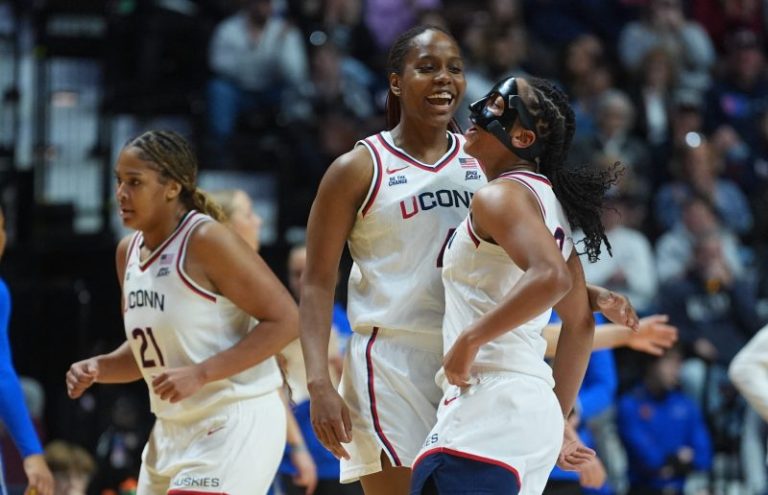
UNCASVILLE, CT ― The No. 1 ranked UConn women’s basketball team has reached the conference tournament final in 22 consecutive seasons and will look for its sixth straight Big East Tournament title on Monday, March 9.

The No. 1 seed Huskies, who last failed to advance to conference tournament final in 2004, play No. 2 seed Villanova. UConn (33-0) is riding a 49-game win streak going back to last season and 69-game win streak in the conference.

Sarah Strong, who was named Big East Player of the Year and Defensive Player of the Year, leads the Huskies in scoring (18.5 points per game) and rebounding (7.6 rebounds per game).

Jasmine Bascoe is averaging 19 points and 4.9 assists to lead Villanova (25-6).

What time is UConn vs Villanova?

Date: Monday, March 9
Time: 7 p.m. ET
Location: Mohegan Sun Arena (Uncasville, Connecticut)

The UConn Huskies play the Villanova Wildcats in the finals of the Big East Tournament at 7 p.m. ET on Monday, March 9 in Uncasville, Connecticut.

UConn vs Villanova: TV, streaming

Stream: Peacock

This post appeared first on USA TODAY

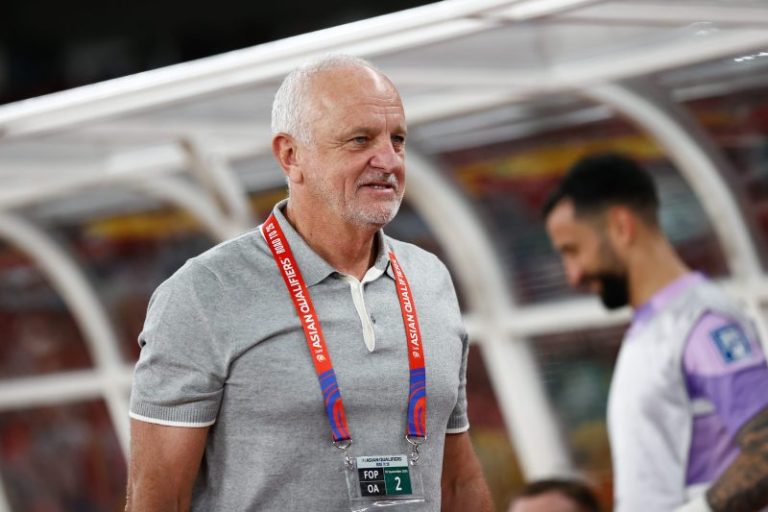
Iraq national team head coach Graham Arnold has requested a delay in his country’s World Cup playoff later this month amid a tumultuous situation across the Middle East.

The United States and Israel attacked Iran late last month, setting off a conflict across the region. That has included Iraq, where Iran has launched missile attacks at a U.S. air base in Erbil.

As a result, Iraqi airspace has been closed down. According to The Guardian, the Iraq Football Association (IFA) was notified that the closure would last for “at least four weeks.’

Iraq is currently scheduled to play the winner of a playoff between Bolivia and Suriname on March 31 in Monterrey, Mexico, with a place at the World Cup at stake.

A significant percentage of Iraq’s current squad is based in the country’s domestic league, making the prospect of the players safely traveling to Mexico seemingly remote.

In addition, the IFA has said that many of its players and technical staff are unable to obtain entry visas to Mexico with several embassies across the Middle East closed.

In an interview with the Australian Associated Press, Arnold called on FIFA to postpone Iraq’s game later this month.

‘In my opinion, if FIFA were to delay the game, it gives us time to prepare properly,’ Arnold said. ‘Let Bolivia play Suriname this month and then a week before the World Cup, we play the winner in the U.S. – the winner of that game stays on and the loser goes home.’

Iran has already qualified for the World Cup, but the country’s participation is very much in doubt following the outbreak of conflict.

Arnold suggested that Iraq – the highest-ranking Asian team not yet in the World Cup based on the qualifying tournament – should be given Iran’s spot if it eventually withdraws from the World Cup.

‘In my opinion, (delaying Iraq’s match) also gives FIFA more time to decide what Iran is going to do,’ Arnold said.

‘If Iran withdraws, we go into the World Cup, and it gives the UAE, who we beat in qualifying, the chance to prepare for either Bolivia or Suriname.’

Arnold himself is currently stuck in the United Arab Emirates, according to a statement from the IFA last week.

The coach added that it would be unfair to ask Iraq to play a match for a World Cup spot without any domestic-based players available.

‘A team made up only of players from outside Iraq would not be our best team, and we need our best team available for the country’s biggest game in 40 years,’ he said.

Iraq has only qualified for one World Cup in its history, which came in 1986.

This post appeared first on USA TODAY

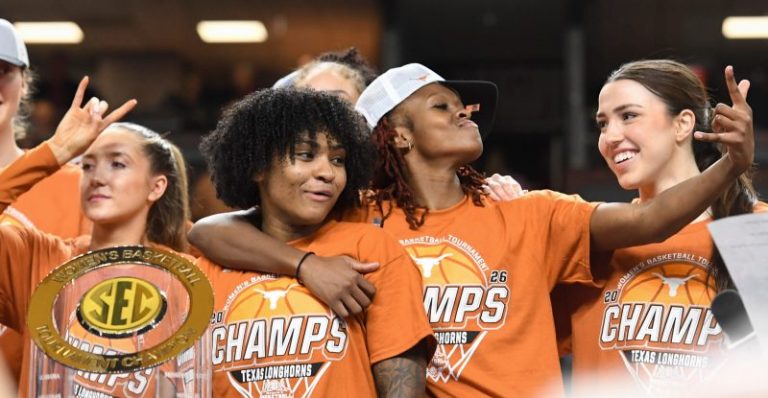
Texas women’s basketball coach Vic Schaefer didn’t want to look too far into the future on Sunday.

Moments after his Longhorns beat the South Carolina Gamecocks in the SEC Tournament Championship in Greenville, South Carolina, he just wanted to enjoy the win.

But the Longhorns’ victory over the Gamecocks propelled them into the third No. 1 seed in USA TODAY Sports’ latest bracketology projection, which means they will likely have the opportunity to play in its home state in the Sweet 16 and Elite Eight rounds. The two regional sites this year are Sacramento and Fort Worth.

Typically, the No. 1 overall seed gets first preference on where it wants to go. Wherever the Huskies decide to go, the Bruins will certainly want to stay on the West Coast and play in Sacramento, leaving Texas the third choice and at least one Fort Worth slot available.

‘I’m always a one-game-at-a-time guy. So I’m going to worry like heck over that first round matchup, whoever they send to Austin,’ Schaefer said Sunday. ‘Hopefully, we’ll be fortunate enough after that. I’ll go wherever they send me. I’ll take this team to Timbuktu. I don’t care.

‘It would be cool to, obviously, be able to stay around because of our fans. I think they would really embrace the opportunity to follow us.’

Elsewhere in the latest bracket projection following Power 4 conference tournaments, West Virginia and North Carolina have moved into the top 16 and should have hosting rights in the first round.

UNC won its quarterfinal game in the ACC Tournament and wasn’t blown off the court by Louisville in the semifinals, which should be enough to give the Tar Heels the final No. 4 seed. By winning the Big 12 Tournament, the Mountaineers jumped over Michigan State and Minnesota. Should West Virginia host during the tournament’s opening weekend, it’ll be the first time they’ve had March Madness games in Morgantown since 2014.

Here’s the full 68-team projection as of Sunday, March 8:

Fort Worth 1

Storrs, Connecticut

1 UConn
16 Howard
8 Tennessee
9 Virginia Tech

Norman, Oklahoma

5 Minnesota
12 Nebraska / Arizona State
4 Oklahoma
13 McNeese

Ann Arbor, Michigan

6 Notre Dame
11 Rhode Island
3 Michigan
14 Vermont

Nashville, Tennessee

7 NC State
10 Richmond
2 Vanderbilt
15 FDU

Sacramento 2

Los Angeles, California

1 UCLA
16 Cal Baptist
8 Georgia
9 Iowa State

Morgantown, West Virginia

5 Ole Miss
12 Miami Ohio
4 West Virginia
13 Western Illinois

Louisville, Kentucky

6 Oregon
11 Rice
3 Louisville
14 Charleston

Baton Rouge, Louisiana

7 Baylor
10 Clemson
2 LSU
15 LMU

Fort Worth 3

Austin, Texas

1 Texas
16 Alabama A&M / Samford
8 Oklahoma State
9 Syracuse

College Park, Maryland

5 Kentucky
12 Murray State
4 Maryland
13 UC Irvine

Fort Worth, Texas

6 Washington
11 Virginia / Colorado
3 TCU
14 Idaho

Iowa City, Iowa

7 Texas Tech
10 South Dakota State
2 Iowa
15 UNLV

Sacramento 4

Columbia, South Carolina

1 South Carolina
16 High Point / Jacksonville
8 USC
9 Villanova

Chapel Hill, North Carolina

5 Michigan State
12 James Madison
4 North Carolina
13 Louisiana Tech

Columbus, Ohio

6 Alabama
11 Fairfield
3 Ohio State
14 Green Bay

Durham, North Carolina

7 Illinois
10 Princeton
2 Duke
15 Navy

Bubble Watch

Last Four Byes: Virginia Tech, Syracuse, Clemson, Richmond
Last Four In: Virginia, Colorado, Arizona State, Nebraska
First Four Out: North Dakota State, Mississippi State, Florida, BYU
Next Four Out: Kansas State, Columbia, Texas A&M, Stanford

Arizona State hit the magic number. By winning two games in the Big 12 Tournament, the Sun Devils have reached 24 wins. That’s significant because, in the modern era of the tournament, no team from a major conference with 24 wins has ever been left out of the field. Coach Molly Miller’s team also picked up its first Quad 1 win of the season by beating Iowa State, which is a major resume booster.

Nebraska is USA TODAY Sports’ last team in. The Cornhuskers will be rooting for Princeton to win Ivy Madness, because if the Tigers falter it will create a bid-stealing situation. Princeton has a resume good enough for an at-large bid, but no other team in the Ivy does.

Stanford will miss March Madness for the second consecutive year after getting bounced in the first round of the ACC Tournament. Kansas State and BYU really could’ve used another win at the Big 12 Tournament to crack the field of 68.

This post appeared first on USA TODAY
The 2025-26 men’s basketball regular season ends Sunday, and we’re already seeing a lot of schools make coaching changes.

Kansas State’s Jerome Tang was one of the first major dominoes to fall, although there’s still discourse between Tang and the school regarding his $18.7 million buyout. Kansas State claims it has bounds to fire Tang for cause, which would invalidate the total.

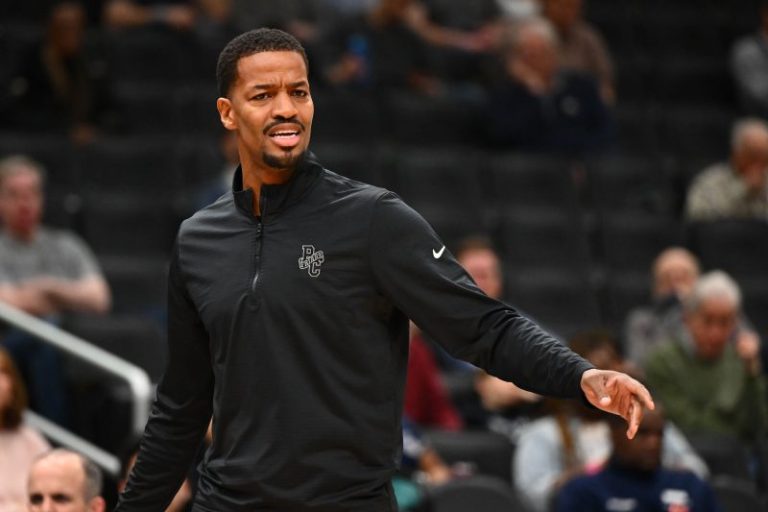
Power conference teams Providence, Boston College and Georgia Tech are also poised to have new coaches next season.

Here’s a running list of every head coaching change during the 2025-26 men’s college basketball season:

College basketball coaches fired, won’t return: Full list

This story will be updated live.

Air Force: Joe Scott
Ball State: Michael Lewis
Boston College: Earl Grant
Georgia Tech: Damon Stoudamire
Kansas City: Marvin Menzies (Mark Turgeon hired as replacement)
Kansas State: Jerome Tang
Lamar: Alvin Brooks
Northern Illinois: Rashon Burno
Oregon State: Wayne Tinkle
Providence: Kim English
San Diego: Steve Lavin
St. Bonaventure: Mark Schmidt
Tarleton State: Billy Gillispie
Tennessee Tech: John Pelphrey
Western Michigan: Dwayne Stephens

March 8: Earl Grant, Boston College

Boston College has fired fifth-year coach Earl Grant, according to reports. Grant has a 72-92 in five seasons with the Eagles. BC went 4-14 in ACC play, tying for the second worst record in the conference. The Eagles went 11-20 overall.

March 8: Dwayne Stephens, Western Michigan

Western Michigan has fired head coach Dwayne Stephens, according to a report from Jeff Goodman of The Field of 68. Stephens and the Broncos finished the 2025-26 season with a 10-21 record. Western Michigan was 42-84 in four seasons under Stephens. – Ehsan Kassim

March 8: Damon Stoudamire, Georgia Tech

Georgia Tech has fired third-year coach Damon Stoudamire, according to multiple reports. The Yellow Jackets finished the 2026 season with a 79-76 loss to Clemson to end the year with an 11-20 record, which included 12 straight losses. Stoudamire had a 42-55 record with the Yellow Jackets. – Ehsan Kassim

March 7: Rashon Burno, Northern Illinois

Northern Illinois has fired fifth-year coach Rashon Burno, according to multiple reports. NIU finished the season with a 9-21 record and had a losing record in each of Burno’s four other seasons at the helm. – Austin Curtright

March 7: Michael Lewis, Ball State

Ball State has fired coach Michael Lewis, according to Jeff Goodman of The Field of 68.

Lewis went 61-64 in four seasons at the school, including a 12-19 mark this season. After going 20-12 in his first season in 2022-23, Lewis’ Cardinals teams have gone just 41-54. – Craig Meyer

March 7: Mark Schmidt, St. Bonaventure

This season will be Mark Schmidt’s last at St. Bonaventure, though the circumstances surrounding his impending exit aren’t entirely clear.

Jeff Goodman of The Field of 68 originally reported that the 63-year-old Schmidt was planning on announcing his retirement this weekend, though he later edited his post to say that Schmidt is ‘parting ways from’ St. Bonaventure. ESPN’s Pete Thamel also reported that Schmidt is expected to retire. However, a report from the Olean Star noted that Schmidt had been informed by general manager Adrian Wojnarowski and athletic director Robert Beretta that he would be relieved of his duties at the end of the season.

Schmidt had been at St. Bonaventure since 2007, where he went 339-253 at arguably the toughest job in the Atlantic 10 Conference. That run included NCAA tournament appearances in 2012, 2018 and 2021. Prior to Schmidt’s hiring, the Bonnies had been to the NCAA tournament just once from 1979-2007. – Craig Meyer

March 5: Kim English, Providence

Kim English won’t return to Providence next season, according to multiple reports. Providence is on its way to missing the NCAA Tournament for the third consecutive time under the third-year head coach. English holds a 42-49 record so far at the school.

English starred at Missouri from 2008-12 before being drafted in the second round of the 2012 NBA Draft. He was the head coach at George Mason from 2021-23 before leaving for Providence. – Austin Curtright

March 3: Alvin Brooks, Lamar

Lamar announced March 3 that Alvin Brooks won’t return for the 2026-27 season. The five-year Cardinals coach led Lamar to a 12-19 regular season finish in 2025-26.

 ‘I would like to personally thank Coach Brooks and his staff for their hard work and dedication to our men’s basketball program,’ Lamar athletic director Jeff O’Malley said in the announcement. ‘Alvin is a decorated member of the Cardinal Hall of Honor and we wish him, and his family, all the best moving forward.’ – Austin Curtright

March 3: John Pelphrey, Tennessee Tech

Tennessee Tech fired John Pelphrey on March 3, the school announced. Tennessee Tech is moving to the Southern Conference next season and is conducting a national search ahead of the move.

Pelphrey went 79-138 in seven seasons with Tennessee Tech, including a 13-18 mark in 2025-26.

‘We thank John for his service and commitment to our men’s basketball program,’ Tennessee Tech athletic director Casey Fox said in the announcement. ‘We felt it was the right time for a leadership change and a refocus for the men’s basketball program. We wish John and his family the best moving forward.’ – Austin Curtright

Feb. 27: Billy Gillispie, Tarleton State

Billy Gillispie won’t return to Tarleton State for next season, according to multiple reports Feb. 27. Gillispie has been sidelined since Jan. 15 due to health issues, and was previously placed on administrative leave earlier in the season while being investigated in October after the school received an anonymous complaint.

Gillispie has dealt with numerous health issues over the years, also citing his health for his resignation from Texas Tech in 2012. The former Kentucky coach also missed most of the 2023-24 related to blood pressure issues, and was diagnosed with kidney failure in 2017. – Austin Curtright

Feb. 26: Wayne Tinkle, Oregon State

Oregon State is moving on from Wayne Tinkle, the school announced Feb. 26. Tinkle, OSU’s coach since 2014, led the Beavers to an Elite Eight appearance in 2021 and another NCAA Tournament appearance in 2015-16.

Oregon State holds a 16-14 record this season as members of the WCC until the Pac-12 picks back up as a full conference in 2026-27. It’s unclear if Tinkle will stay as coach for the remainder of the season or not. – Austin Curtright

Feb. 20: Joe Scott, Air Force

Scott was suspended indefinitely in January while being investigated for treatment of Air Force’s cadet-athletes. It was announced Feb. 20, however, that he and the school mutually agreed to part ways.

‘Coach Scott’s passion for the game of basketball has long been evident in his competitive and direct coaching style. It was this coaching style that guided Air Force Basketball to some of the program’s most memorable achievements during his initial tenure at the Air Force Academy,’ Air Force athletic director Nathan Pine said in the announcement. ‘This is a different day, and now is the right time for a new voice and a new approach to drive the culture and success of the men’s basketball program, aligned with the Air Force Academy’s mission of forging leaders of character developed to lead in our Air Force and Space Force.

‘We thank Coach Scott for his 10 years of service to the Academy and wish him and his family well.’

Air Force went 97-183 in Scott’s second tenure as head coach from 2020 onward. He also led the program from 2000-04, taking the team to an NCAA Tournament berth in 2004. — Austin Curtright

Feb. 18: Steve Lavin, San Diego

Lavin won’t return to San Diego for the 2026-27 season but will remain as head coach for the remainder of the current campaign. The former UCLA and St. John’s coach has a 46-79 record at San Diego in four seasons, and currently holds an 11-17 mark this season.

‘As my coaching tenure at USD begins to wind down, I would like to pause and express my heartfelt appreciation to President Jim Harris for presenting this life-changing opportunity in 2022,’ Lavin said in the announcement. ‘Teaching and coaching at the University of San Diego has been an experience of unparalleled pride and joy. Specifically, I will carry forward the gift of participating in our players’ journeys, and will treasure the relationships forged along the way.’ — Austin Curtright

Feb. 17: Jerome Tang, Kansas State

Tang led Kansas State to the Elite Eight in his first season at the helm in 2022-23, but it was a downward spiral from there. The Wildcats failed to reach the NCAA Tournament the next two seasons and had a 10-15 record with a 1-11 mark in conference play this season before Tang was fired.

“This was a decision that was made in the best interest of our university and men’s basketball program,’ K-State athletic director Gene Taylor said. “Recent public comments and conduct, in addition to the program’s overall direction, have not aligned with K-State’s standards for supporting student-athletes and representing the university. We wish Coach Tang and his family all the best moving forward.”

Kansas State is attempting to fire Tang for cause after he called out his players in a press conference after a blowout loss against Cincinnati. — Austin Curtright

Jan. 12: Marvin Menzies, Kansas City

Kansas City announced in January that Menzies would finish out the season at Kansas City but wouldn’t be returning for the 2026-27 season. The Roos hired former Maryland coach Mark Turgeon shortly after. — Austin Curtright

This post appeared first on USA TODAY
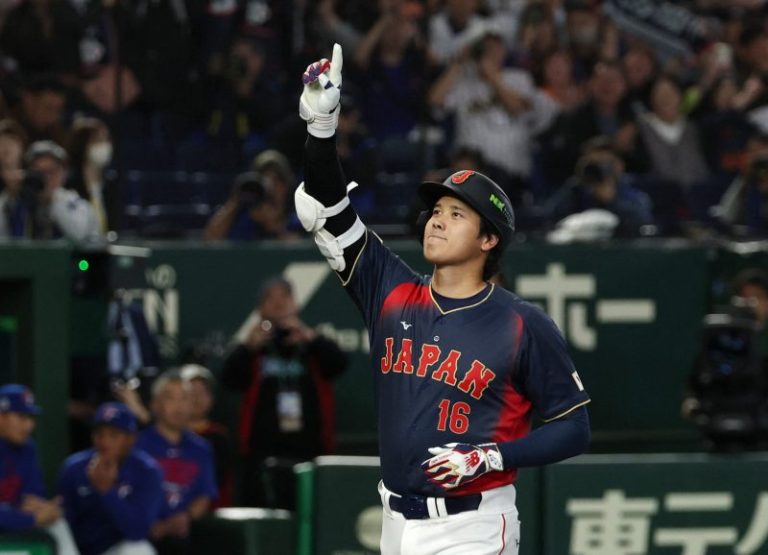
With Japan’s win over Australia in the early hours of Sunday morning, Japan became the first team in the 2026 World Baseball Classic to clinch a spot in the quarterfinals.

The defending champs improved to 3-0 in the tournament, but they have won their past two games by a combined three runs. Despite the return of Los Angeles Dodgers’ stars Shohei Ohtani and Yoshinobu Yamamoto from their championship-winning 2023 squad, Japan might not be as strong as it was three seasons ago.

With the quarterfinals on the horizon, let’s take a look at the updated standings and which teams have already reached the top eight.

Who is in WBC quarterfinals?

This section will be updated as the eight teams clinch berths in the WBC quarterfinals.

Japan (Pool C winner)
Korea (Pool C runner-up)

WBC standings

* — clinched spot in quarterfinals

Pool A

Puerto Rico (2-0)
Cuba (2-0)
Canada (1-1)
Panama (1-2)
Colombia (0-3)

Pool B

Mexico (2-0)
Italy (2-0)
United States (2-0)
Great Britain (0-3)
Brazil (0-3)

Pool C

Japan (3-0)*
Korea (2-2)*
Australia (2-2)
Chinese Taipei (2-2)
Czechia (0-3)

Pool D

Dominican Republic (2-0)
Venezuela (2-0)
Israel (1-1)
Netherlands (1-2)
Nicaragua (0-3)

This post appeared first on USA TODAY
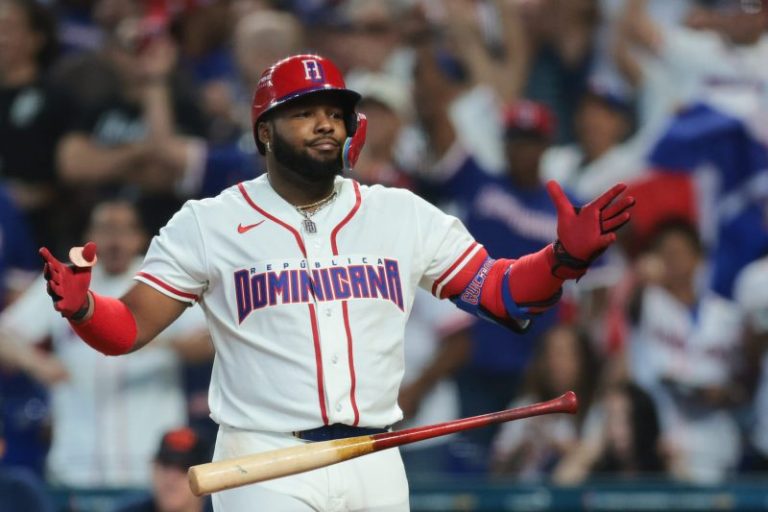
The 2026 World Baseball Classic continues on Monday, March 9 with Dominican Republic vs. Israel taking place in Miami at LoanDepot Park.

‘We haven’t achieved anything yet. Our goal is to win this tournament,’ Dominican manager Albert Pujols told reporters after his team’s win on Sunday. ‘When you get the trophy, then you can speak about the different matches and the emotions and stuff.

‘But so far, we have to face important teams, and our goal is to stay focused on winning and to obtain the victory for our country.’

Keep up with the latest scores and news all the way through the grand finale in Miami to decide the WBC championship. Sign up for our daily sports newsletter to get the biggest storylines straight to your inbox.

See the full tournament schedule here. Here’s everything you need to tune into Monday’s action.

Buy 2026 WBC tickets

Dominican Republic vs. Israel: How to watch on Monday

All times Eastern and accurate as of Sunday, March 8, 2026, at 10:14 p.m.

Matchup: Dominican Republic vs. Israel
Time: Noon
Location: Miami (LoanDepot Park)
TV: FS1
Streaming: FOX One App

Stream the World Baseball Classic on Fubo

How the 2026 World Baseball Classic works

The 20 teams are divided into four groups. They are:

Pool A (San Juan): Puerto Rico , Panama , Cuba , Canada , Colombia
Pool B (Houston): United States , Mexico , Italy , Great Britain , Brazil
Pool C (Tokyo): Japan , South Korea , Australia , Czechia , Chinese Taipei
Pool D (Miami): Venezuela , Netherlands , Dominican Republic , Israel , Nicaragua

Teams play one game each against the other four teams in their pool. The top two teams from each pool advance to the knockout rounds in Houston and Miami. Teams are re-seeded after the quarterfinals.

Teams that remain tied in the standings following round robin play will be seeded based on the following criteria:

Head-to-head performance between the teams who are tied
Fewest runs allowed divided by the number of defensive outs recorded in the games between the tied teams
Fewest earned runs allowed divided by the number of defensive outs recorded in the games between the tied teams
Highest batting average in games between the tied teams.
Drawing of lots conducted by WBCI

Pool play games will occur from March 4 to March 11. Quarterfinals begin on March 13. The semifinals begin March 15.

The championship game is set for March 17 in Miami.

This post appeared first on USA TODAY
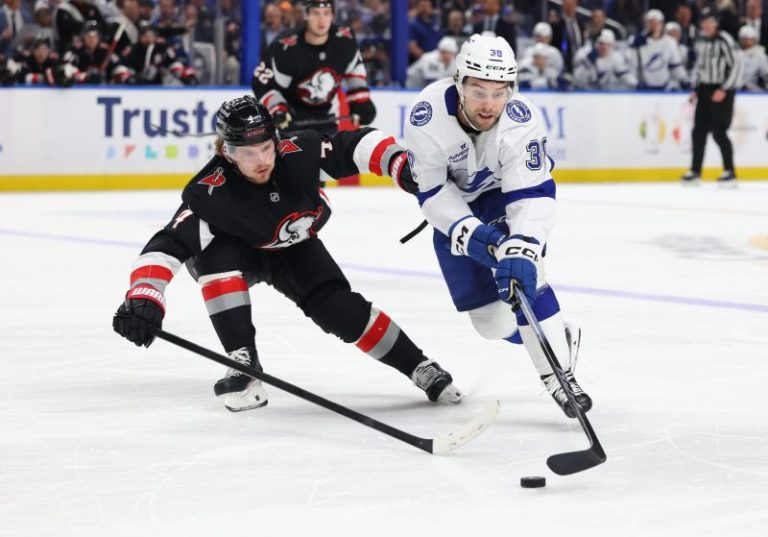
The Buffalo Sabres and Tampa Bay Lightning played a game for the ages Sunday, March 8 – the kind the NHL hasn’t seen in decades.

You have to go back to Tampa Bay’s first season in the league, to Hall of Fame goaltender Dominik Hašek’s first season in Buffalo. To a time when Mario Lemieux had led the Pittsburgh Penguins to back-to-back championships and Wayne Gretzky was on the verge of leading the Los Angeles Kings to their first Stanley Cup Final.

In the Sabres’ 8-7 win in Buffalo on Sunday night, the teams combined for 15 goals and 28 penalties, the most since the St. Louis Blues and Washington Capitals combined for 16 goals and 28 penalties on Feb. 11, 1993, according to OptaSTATS.

Six different players scored for the Lightning, while five players scored for the Sabres, and seven had at least three points. Jason Zucker scored two goals, and he assisted on Josh Doan’s second goal, the game-winner with 4:17 remaining in the third period. Nikita Kucherov recorded two goals and an assist to lead the Lightning.

Tampa Bay had 57 penalty minutes and Buffalo 45, with Lightning defenseman Charle-Edouard D’Astous and Sabres defenseman Bowen Byram leading the way with 12 apiece. The teams also had seven fights.

According to OptaStats, the 15 goals and 102 penalty minutes totals had not been reached since an NHL playoff game between the Pittsburgh Penguins and Philadelphia Flyers on April 25, 1989 (17 goals and 130 penalty minutes).

The victory marked the seventh in a row for the Sabres, who moved into first place in the Atlantic Division. According to the NHL, the last time they were in first place in their division at this stage of a season or later was April 11, 2010.

The USA TODAY app gets you to the heart of the news — fastDownload for award-winning coverage, crosswords, audio storytelling, the eNewspaper and more.

This post appeared first on USA TODAY