Archive

2026

Browsing

As the NBA faces ongoing concerns about tanking, Indiana Pacers coach Rick Carlisle fired back at the league over its recent $100,000 Player Participation Policy fine, calling the discipline “ridiculous” and “shocking.”

During a radio interview with 93.5 The Fan Tuesday, Feb. 24, Carlisle publicly addressed the fine for the first time and centered his rebuke around the availability of guard Aaron Nesmith during a Feb. 3 game against the Jazz, a 131-122 Utah victory.

“I didn’t agree with it,” Carlisle said during the interview. “There was a league lawyer that was doing the interview that kind of unilaterally decided that Aaron Nesmith, who had been injured the night before and couldn’t hold the ball, should’ve played in the game, which seems ridiculous.”

The league announced the discipline Feb. 12, just days before the NBA All-Star Game. Headed into the game, the Pacers were 13-37 and continuing to languish in last place in the Eastern Conference.

For its part, the NBA responded to Carlisle’s allegations, disputing his account.

“Coach Carlisle’s description of the process that went into the decision to fine the Indiana Pacers is inaccurate,” an NBA spokesperson said in a statement sent to USA TODAY Sports. “An independent physician led the medical review. In addition, the Pacers’ General Manager and the team’s Senior Vice President, Sports Medicine and Performance were interviewed as part of the process.

“The Pacers confirmed that it had provided all of the information requested by the league and the team reported that an interview with Coach Carlisle or a team physician wasn’t necessary.”

After pushing the eventual-champion Oklahoma City Thunder to Game 7 of the NBA Finals, the Pacers have struggled to compete this year because of injuries, most notably the ruptured Achilles tendon star point guard Tyrese Haliburton suffered early in that Game 7.

Indiana is currently 15-43, which is last place in the East and the NBA’s second-worst record.

“During the interview process — I was not on it, but I heard details — we asked them if they wanted to talk to the doctors, our doctors about it, because it was something that was documented by our doctors and trainers,” Carlisle continued. “They said no, they didn’t need to, they talked to their doctors, who did not examine Aaron Nesmith. And we asked them if they wanted to talk to the kid, and they said no, they didn’t need to.

“This was shocking to me. During the interview, they also asked if we considered medicating him to play in a game when we were 30 games under .500, so I was very surprised.”

During the radio interview, however, Carlisle didn’t discuss the statuses of All-Star forward Pascal Siakam — who was directly named in the disciplinary memo — and another, unnamed “star player” under the league’s Player Participation Policy.

In the letter, the NBA said Siakam and the two star players “could have played under the medical standard in the Policy, including by playing reduced minutes” and added that “the team could have held the players out of other games in a way that would have better promoted compliance with the Policy.”

Presumably, the other star player the league was referencing was either shooting guard Bennedict Mathurin (rest) or point guard Andrew Nembhard (injury/illness); both recorded DND (did-not-dress) designations for the game.

Siakam’s DND was given a rest designation.

Guard T.J. McConnell and center Micah Potter also did not dress, with injury/illness designations.

“Overt behavior like this that prioritizes draft position over winning undermines the foundation of NBA competition and we will respond accordingly to any further actions that compromise the integrity of our games,” NBA Commissioner Adam Silver said Feb. 12 in a statement. “Additionally, we are working with our Competition Committee and Board of Governors to implement further measures to root out this type of conduct.”

In the same disciplinary announcement, the Jazz were also fined $500,000 for separate game management decisions related to tanking.

This post appeared first on USA TODAY

The Mexican government said the security situation in the western state of Jalisco has ‘stabilized’ after an explosion of cartel-linked violence following the death of kingpin Nemesio Rubén Oseguera Cervantes, known as ‘El Mencho.’

The Embassy of Mexico in the United States said federal and state authorities were working to normalize conditions after the unrest, reopening transit corridors and restoring public services following targeted operations.

The update comes as the State Department’s travel advisory for Mexico remains in effect at a heightened level of caution, while flight cancellations and transportation disruptions stranded some travelers in popular destinations such as Puerto Vallarta and Guadalajara. Hundreds of Americans remain stranded in Mexico following the violence.

‘The security situation has now stabilized following targeted operations in Jalisco,’ the embassy said in a post on X. ‘Federal and state authorities are proceeding to reopen transit corridors and restore public services smoothly.’

The embassy said airline operations were returning to normal and that international carriers were resuming flights. Puerto Vallarta International Airport has reopened to domestic traffic, according to the statement.

‘If traveling through Jalisco, some local security measures remain in place, while authorities are restoring airport operations to full capacity,’ the embassy added.

Officials said they were coordinating with international partners ‘to ensure safety and stability at all transit hubs and tourist destinations.’

The statement described the operation as part of ‘a broader national effort that has produced a sustained decrease in violence across Mexico in recent months.’

According to the State Department’s official website, Mexico is currently under a Level 2 ‘Exercise Increased Caution’ travel advisory due to risks including crime and kidnapping. The advisory notes that violent crime and organized criminal activity remain concerns for U.S. citizens traveling in the country.

Certain Mexican states carry higher risk levels, with some areas classified as Level 3 ‘Reconsider Travel’ or Level 4 ‘Do Not Travel,’ depending on local conditions. Jalisco — where the recent violence occurred — has previously been listed among states with elevated advisory levels, though the State Department notes that risk can vary by region.

The advisory urges U.S. citizens to take precautions similar to those required of U.S. government employees, including avoiding intercity travel at night, using regulated transportation services and remaining aware that emergency services may be limited in some areas.

The State Department said it had received hundreds of calls on its 24/7 crisis hotline as Americans sought assistance following the violence.

Mexican authorities said Oseguera Cervantes was killed Sunday during an operation aided by U.S. intelligence. 

The cartel responded by setting vehicles on fire and erecting roadblocks throughout Guadalajara, the state capital. The city’s international airport operated at limited capacity as violence gripped the area.

The U.S. State Department had previously offered up to $15 million for information leading to his arrest or conviction, describing him as ‘one of the most wanted fugitives in Mexico.’

Related Article

Narcotics expert reveals slain drug kingpin ‘El Mencho’s’ deadly impact on Americans
This post appeared first on FOX NEWS

Senate Democrats again blocked Republicans’ attempt to fund the Department of Homeland Security (DHS), as Congress gears up for President Donald Trump’s prime time address. 

The largely party-line vote on Tuesday was the first action in the Senate since lawmakers returned from a weeklong break. It’s also the second time Senate Majority Leader John Thune, R-S.D., forced Senate Democrats to decide whether to reopen the agency.

Failure to advance the full-year funding bill ensured that the partial government shutdown, which is only affecting DHS, would stretch into its 12th day.

For now, there’s no clear sign that a compromise deal can be reached. The White House and Senate Democrats have sent counteroffer after counteroffer, but neither side has agreed to the other’s pitch.

And talks between both parties appeared to have petered out during the break.

A source familiar with negotiations told Fox News Digital that negotiations had largely stalled and are expected to resume next week.

‘Dems were holding out for [the State of the Union],’ they said.

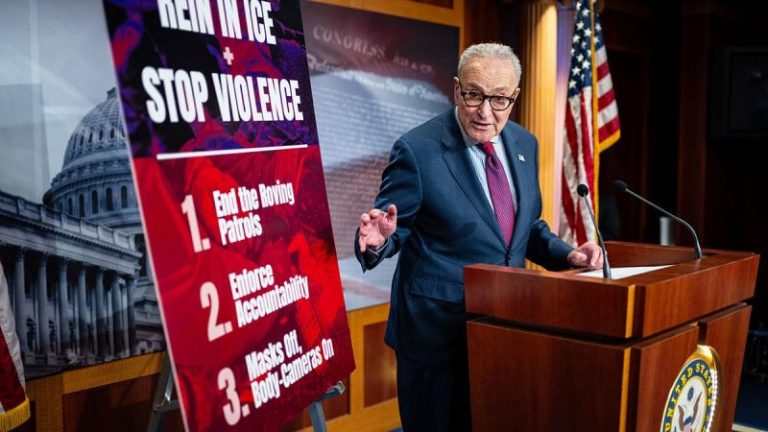
The failed vote also comes after the Trump administration took its first steps to put external pressure on Senate Minority Leader Chuck Schumer, D-N.Y., and his caucus to agree to a compromise deal to reopen the agency.

But Schumer charged that the White House is not playing ball with Democrats and their list of reforms for Immigration and Customs Enforcement (ICE). And whether Trump brings up the ongoing negotiations during his State of the Union address could impact Democrats’ calculations going forward.

‘So far they have not budged on the key issues, like masks, like warrants, like oversight from state authorities,’ Schumer said. ‘It depends what he says. So far we’ve heard crickets from them. Nothing. They’re not negotiating. They’re just trying to pass paper back and forth with no real changes.’

Meanwhile, DHS Secretary Kristi Noem announced several emergency measures over the weekend as the agency meanders through its second week of lapsed funding.

Courtesy escorts for members of Congress have been suspended, and Global Entry at airports has been suspended, as Customs and Border Protection (CBP) agents have been diverted to process travelers.

The Federal Emergency Management Agency (FEMA) has also stopped all public assistance for ongoing disasters, paused non-emergency work, halted non-disaster-related activities, and restricted personnel travel to activities ‘strictly necessary to respond to active disasters and life-safety emergencies,’ according to the agency.

Related Article

Democrats demanding ICE reforms lose airport escorts in shutdown they triggered
This post appeared first on FOX NEWS

The Pentagon has given artificial intelligence firm Anthropic until Friday to lift restrictions on how its Claude AI system can be used by the military, warning it could cancel a $200 million contract or take other punitive steps if the company refuses, according to multiple sources familiar with the discussions.

The skirmish broke out after the Pentagon claimed Anthropic had asked whether its product was used in the January military operation to capture Venezuelan leader Nicolás Maduro, in a way that suggested the company may not approve if it was. The Pentagon insists AI companies must allow products to be utilized for all lawful military use cases — without company oversight or approval. 

Anthropic suggests its red lines are not allowing its products to be used for fully autonomous weapons or mass surveillance of Americans. 

War Secretary Pete Hegseth delivered an ultimatum during a Tuesday meeting at the Pentagon with Anthropic CEO Dario Amodei, even as Hegseth praised the company’s technology and said the department wants to continue working with the firm, sources said.

Hegseth told Amodei that if the company did not allow Claude to be used for all lawful purposes, it could face termination of its Pentagon contract, designation as a supply chain risk — potentially limiting its ability to work with defense vendors — or possible invocation of the Defense Production Act to compel access to the technology, according to sources familiar with the meeting.

Claude is currently the only advanced, commercial AI model of its kind operating inside the Pentagon’s classified networks, under a $200 million contract awarded in summer 2025, significantly raising the stakes of the dispute.

Pentagon officials argue the Department of Defense cannot depend on a private company that maintains categorical restrictions on certain uses of its technology, even if those uses are lawful. During the meeting, Hegseth compared the situation to being told the military could not use a specific aircraft for a mission, according to a source familiar with the exchange.

The dispute represents an early test of who controls the guardrails on advanced AI inside U.S. defense systems — private companies or the Pentagon. The outcome could shape how the military partners with leading AI developers as it moves to integrate more powerful machine learning tools into national security operations.

Anthropic, which has branded itself as a safety-oriented AI company, has said its policies are meant to reduce the risk of misuse as advanced AI systems become more powerful.

During the meeting, Amodei walked through those restrictions and argued restrictions would not interfere with lawful, legitimate War Department operations, according to a source familiar with the meeting. 

A senior Pentagon official claimed its position ‘has nothing to do with mass surveillance or autonomous targeting’ because ‘there’s always a human involved and the department always follows the law.’ 

Even as tensions rose, officials on both sides indicated that fully autonomous weapons are not currently contemplated under the department’s lawful use framework, suggesting the clash is as much about control as about battlefield applications.

During Tuesday’s meeting, Hegseth explicitly referenced potential use of the Defense Production Act, termination of Anthropic’s existing contract and the possibility of designating the company a supply chain risk if it does not agree to allow its products to be used for all lawful purposes, sources said.

Such steps reflect two very different forms of federal leverage. 

A supply chain risk designation could restrict Anthropic’s ability to work with federal vendors and contractors by signaling the company poses reliability or governance concerns, while invoking the Defense Production Act would represent a rare attempt to use national security authorities to compel access to frontier AI systems deemed critical to defense needs.

Terminating the contract would carry consequences beyond ending a vendor relationship. Because Claude is currently embedded inside the Pentagon’s classified networks in a $200 million agreement, cancellation could disrupt existing workflows and require the department to transition sensitive systems to an alternative provider.

Pentagon officials also said Elon Musk’s Grok AI chatbot has agreed to allow its products to be used for all lawful purposes, including potential integration into classified systems, and that other frontier AI firms are ‘close’ to similar arrangements. 

Grok did not immediately respond to a request for comment.

Anthropic, in a statement attributed to a company spokesperson, said: ‘Anthropic CEO Dario Amodei met with Secretary Hegseth at the Pentagon this morning. During the conversation, Dario expressed appreciation for the Department’s work and thanked the Secretary for his service. We continued good-faith conversations about our usage policy to ensure Anthropic can continue to support the government’s national security mission in line with what our models can reliably and responsibly do.’

Related Article

Top AI firm alleges Chinese labs used 24K fake accounts to siphon US tech
This post appeared first on FOX NEWS

Colleges and apparel companies are now including Name, Image, and Likeness (NIL) money in their partnership contracts.
These NIL provisions allow schools to legally facilitate more compensation for athletes beyond the new NCAA revenue-sharing cap.
This trend is primarily seen with Power Four conference schools, increasing the financial gap between them and smaller universities.
While this practice is currently allowed, it faces scrutiny from the College Sports Commission, which oversees third-party NIL deals.

When the University of Tennessee athletic department switched its apparel provider from Nike back to Adidas last summer, the biggest clue as to why was hidden within a sentence seven paragraphs into the university’s announcement.

Lucrative outfitter contracts between big-name sports apparel companies and college athletic departments are nothing new. Universities get discounts on product and the cachet of being associated with blue-chip brands; brands get to see their logos on television and build relationships with generations of loyal fans.

In college athletics’ name, image and likeness (NIL) era, these symbiotic relationships have a new twist: Power conference NCAA schools and apparel providers are negotiating contracts to include money earmarked for NIL, allowing schools to legally facilitate endorsement deals for athletes without exceeding revenue share limits.

“The scope of what these relationships look like has changed,” said Chris McGuire, Adidas vice president of sports marketing for North America. “Initially, ‘the arms race,’ was all about facilities and how could the financing from apparel deals help them build better facilities to attract the recruits.”

Now, it’s about who can inject cash into NIL to secure more above-the-cap dollars for a program’s athletes.

Inside college apparel deals, NIL and the NCAA revenue cap

The House vs. NCAA settlement led to direct revenue sharing between colleges and athletes effective July 1, 2025. For the 2025-26 academic year, each school can distribute a maximum of $20.5 million – the “cap” – to its athletes. But there is no limit to how much NIL money college athletes can receive from third parties such as apparel companies, so long as deals are approved by the College Sports Commission.

Brands like Nike, Adidas and Under Armour pay tens of millions of dollars to outfit SEC and Big Ten teams through partnerships that often last up to a decade. Building NIL provisions into those deals gives schools a method to increase total athlete compensation and gives brands a direct line to college athletes they were likely to target for endorsement deals anyway.

Adidas isn’t the only company helping schools get creative. LSU’s extension with Nike this summer was announced in tandem with news of 10 LSU athletes signed to Nike’s new NIL collective. Wisconsin inked a new deal with Under Armour that includes an NIL commitment.

Pat Flynn, a former Under Armour and Learfield employee and founder of College Athletics Management, a company that consults with athletic departments and brands, predicted that this practice will become the new normal.

“NIL has pumped new life into apparel deals,” Flynn said. “The apparel companies are getting smarter in the fact that, OK, now schools need us to help on the NIL side a lot more than all the apparel and cash we had to provide (to athletic departments) in the past. We can really serve a true purpose with NIL.”

College apparel contracts negotiated on an uneven playing field

The revenue-sharing settlement’s timing was serendipitous because it happened when multiple power-conference schools have expiring apparel contracts.

Tennessee, Penn State and South Carolina are among the schools that agreed to switch apparel providers in 2026, while LSU and Wisconsin signed extensions. Louisville, Michigan, Texas A&M and UCLA are among schools with apparel contracts set to expire in 2027 or 2028.

Schools can leverage an expiring apparel deal into NIL funding, and brands are likewise using NIL to get a leg up at the negotiating table.

“It’s a lever that can be pulled in the negotiation by both sides,” said consultant Dan Gale, president of Leona.

When it comes to how the NIL components are structured, however, it’s not one-size-fits-all.

In its recent 10-year contract renewal with Wisconsin, Under Armour pledged no less than $175,000 in each year of the contract to NIL. At LSU, Nike launched a new NIL collective called Blue Ribbon Elite featuring Tiger athletes and plans to expand the program to other universities.

Adidas, in addition to allotting money to Tennessee for NIL deals with a select number of athletes, offers athletes at any Adidas-affiliated school to join its ambassador program and receive a commission for promoting the company’s products.

The financial details of some apparel agreements – including those at Tennessee and LSU – are unknown because they are run through separate, nonprofit university foundations, which allows the contracts to remain private and unobtainable via public records request.

Sometimes, even if an apparel agreement doesn’t specifically call for an NIL commitment, it can set the stage for related endeavors. That’s what happened in 2024 at Texas Tech, where the university signed a 10-year contract with Adidas weeks before the company teamed up with NFL quarterback Patrick Mahomes to create an NIL collective for Texas Tech athletes.

This February, Texas Tech athletic director Kirby Hocutt told program stakeholders that the Red Raiders plan to ask Adidas and other corporate sponsors to redirect money to athlete NIL deals that was initially intended for the athletic department.

“I would say (NIL) is definitely a focus as we move forward with all our university partners,” McGuire said. “It is a centerpiece of both our relationships with Tennessee and Penn State, and since we’ve expanded that to really include just about all our major universities that are participating in the Power Four.”

Non-power conference schools so far have been largely excluded from this trend because of how they execute apparel deals. Smaller schools often contract with regional suppliers such as BSN or Game One, which act as wholesale distributors for Nike and other apparel giants.

That means larger schools have the advantage in negotiating extra benefits including NIL dollars, so the chasm between the top and middle tiers of athletic departments keeps widening.

“It’s very rare right now to have any NIL cash unless you are a direct school without any third-party service provider,” Flynn said. “There’s probably 20 schools right now, maybe 25, that are direct from the brand to the school.”

From a brand perspective, a Conference USA school has less NIL value than an ACC school. So even if a smaller university contracts directly with a brand, the deal usually takes the form of a purchasing agreement rather than a marketing agreement.

Additionally, not every university prioritizes NIL dollars in apparel contracts. Ohio State, which reported operating revenues of more than $330 million in 2025, is probably more inclined to look at apparel contracts from a revenue-share perspective compared to a school like Kent State, which the same year reported $32 million in operating revenue.

Gale said that non-power conference athletic departments are less concerned with skirting the revenue share cap and more concerned with their bottom line.

“That level is about trying to save net impact on your department,” Gale said. “So each school has to look at their apparel deal a little differently. It’s not just a blanket industry thing, but the industry is really focusing on the top tier. And the rest are trying to maximize their value.”

Is putting NIL money in apparel contracts allowed?

Although writing NIL commitments into apparel contracts is currently allowable under both federal law and NCAA guidelines, it’s less clear if the burgeoning loophole will be subject to much oversight.

The College Sports Commission (CSC) is the enforcement body responsible for reviewing all deals made between NCAA Division 1 athletes and third parties. As part of the House settlement, athletes must submit deals worth more than $600 to a portal called NIL Go, created by Deloitte, and the CSC determines whether it was made for a valid business purpose and reasonable compensation.  

In January, the CSC sent a letter to schools warning of “serious concerns” with some third-party NIL deals. The organization said that all agreements offered by an associated entity – including apparel and multimedia rights partners – must specify how the athlete’s NIL rights will be used.

“Making promises of third-party NIL money now and figuring out how to honor those promises later leaves student-athletes vulnerable to deals not being cleared, promises not being able to be kept, and eligibility being placed at risk,” the letter said.

The CSC does not review university apparel contracts as part of its standard process. Neither does the NCAA, a spokesperson confirmed.  

When there is an NIL component in an apparel deal, schools must tread lightly when touting it during the recruiting process. According to NCAA and CSC rules, schools are allowed to outline how much they’ll pay a player directly – coming out of the revenue sharing cap – but are not allowed to promise third-party NIL money. Schools can connect athletes to third parties.

A brand that guarantees NIL money to a school through an apparel contract would still have to negotiate endorsement deals directly with athletes, who are then required to report details of deals exceeding the $600 aggregate threshold. During the review process, the CSC may ask for the apparel contract to see if the university qualifies as an associated entity – and even if it does, the deal still wouldn’t count against the revenue sharing cap.

Ahead of Adidas’ new deal with Tennessee kicking in this summer, the company is already working to secure NIL deals with Vol athletes. McGuire said Adidas will “compare notes” with coaches and their staffs to come up with a list of athletes for potential endorsement deals.

“How can we partner with them to assure that as they look at the talent needed for their rosters, we’re right there with them?” McGuire said. “And it reciprocates, right, because these are all tremendous athletes that we want to be associated with our brand.”

This post appeared first on USA TODAY

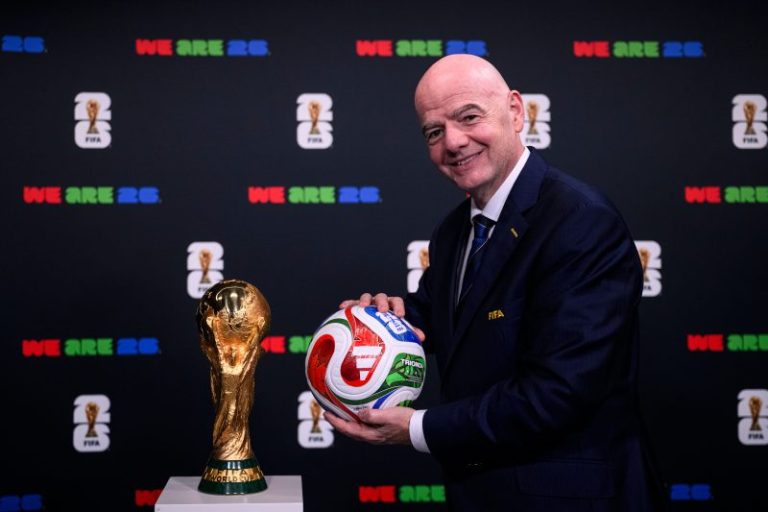
FIFA has released a limited number of 2026 World Cup tickets for fans who were unsuccessful in the most recent phase of sales.

The Random Selection Draw ran from Dec. 11 to Jan. 13. Fans entered a lottery to be selected and those who were successful were notified starting on Feb. 5.

Fans who were successful received tickets to the game(s) they requested and were automatically billed.

It appeared the entrants who weren’t successful would have to wait until April, when FIFA will begin offering tickets on a first-come, first-served basis.

But this week, some fans received an email from FIFA offering an exclusive 48-hour window to purchase World Cup tickets.

In a statement provided to USA TODAY Sports, FIFA confirmed that it was offering some fans a second chance to buy tickets before they go on sale to the general public.

‘FIFA can confirm that a limited number of additional single-match tickets for the FIFA World Cup 2026 have become available following the conclusion of the Random Selection Draw,’ the statement read.

‘In line with our established ticketing procedures, and in order to maximize fairness and acknowledge fans who have already demonstrated strong interest in the tournament, FIFA has offered an exclusive, time-limited purchase window to a defined group of applicants who were previously unsuccessful in the Random Selection Draw. Access is provided directly through the official FIFA ticketing account of the invited customers.

‘Tickets made available through this dedicated sales window are limited, allocated on a first-come, first-served basis, and remain subject to applicable household limits and the General Public Ticketing Terms and Conditions.’

FIFA said that it received more than 500 million requests for tickets during the Random Selection Draw.

When is the 2026 World Cup?

The 2026 World Cup gets underway on June 11 as Mexico hosts South Africa at the Estadio Azteca in Mexico City. The tournament will run through July 19, when the final will take place at MetLife Stadium in New Jersey.

This year’s tournament will be the biggest in history, featuring 48 teams for the first time. The 104 games will be spread across the United States, Mexico and Canada, with the U.S. hosting 78 matches.

The host cities for the 2026 World Cup are as follows:

United States: Atlanta, Boston, Dallas, Houston, Kansas City, Los Angeles, Miami, New York/New Jersey, Philadelphia, San Francisco Bay Area, Seattle
Mexico: Guadalajara, Mexico City, Monterrey
Canada: Toronto, Vancouver

This post appeared first on USA TODAY
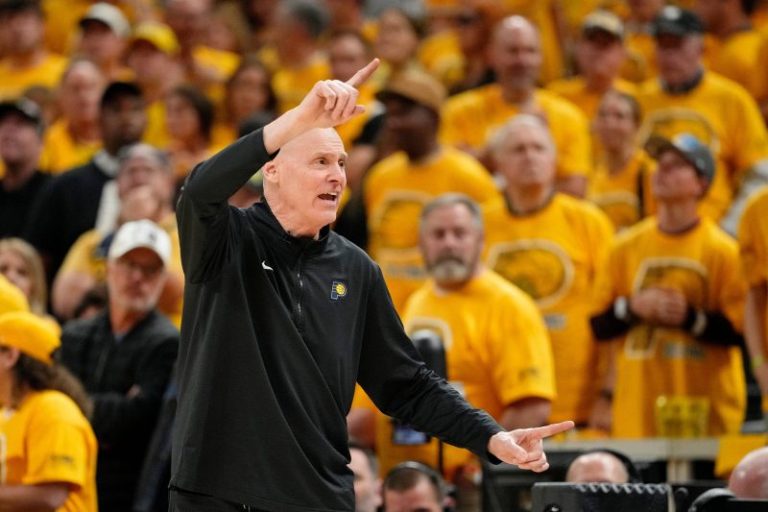
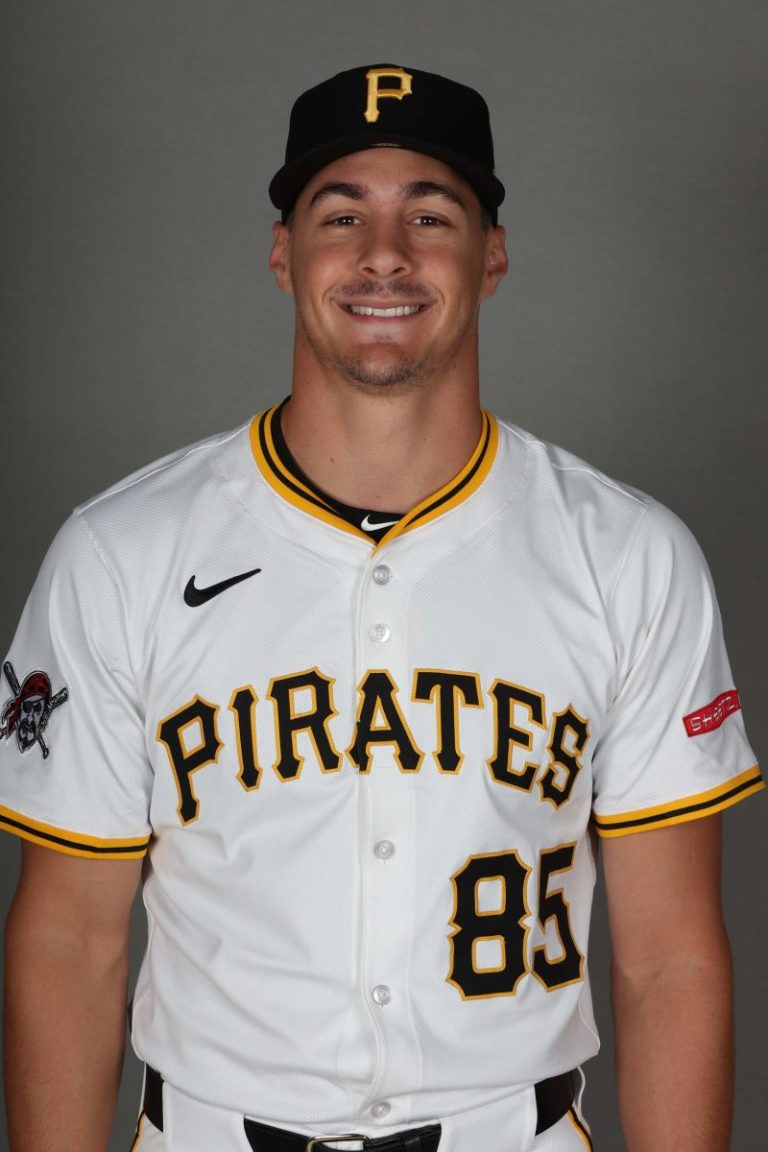
If Konnor Griffin had any designs on quietly making the Pittsburgh Pirates’ opening-day roster, they can be put to rest. Baseball’s No. 1 prospect doesn’t do much of anything quietly – and that includes his first two Grapefruit League home runs.

Griffin crushed a pair of balls up and over two levels of Monster seats at the Boston Red Sox’s JetBlue Park in Fort Myers, Florida, on Feb. 24, staining the exhibition debut of Boston free agent signee Ranger Suarez.

Suarez hung a breaking ball to Griffin in his second inning of work this spring. To his credit, the 19-year-old did not miss it, crushing it an estimated 374 feet down the left field line, a shot that might have gone out of all 30 major league parks.

There was little flukey about it, as Griffin proved in his next plate appearance, pounding an errant sweeper from Red Sox relief hopeful Vinny Nittoli over the portion of the spring Monster in left center field. He apparently broke Statcast on that shot – it finally caught up and measured the drive at 440 feet, 111.2 mph off the bat – but the sound of it told all the story.

At 6-4, 222 pounds, Griffin, the ninth overall pick in the 2024 draft, fits the mold of the modern shortstop with significant power. He still does not turn 20 until April 24.

Will Griffin be the Pirates’ starting shortstop by then? A pair of February blasts in Fort Myers won’t determine that. But as eye candy goes, it doesn’t get much better.

This post appeared first on USA TODAY

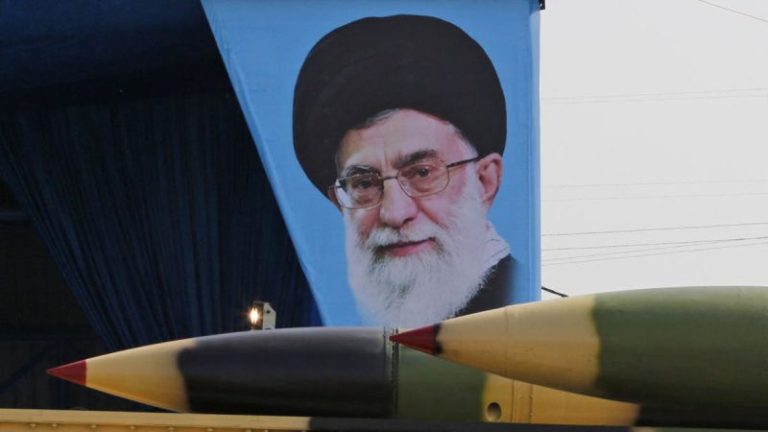
A new report from the Foundation for the Defense of Democracies (FDD) raises concerns about Iran’s opaque chemical weapons program, which argues policymakers have paid little attention to compared to Iran’s more scrutinized nuclear weapons program. 

The FDD report outlines how the Iranian regime may have resorted to the unconventional use of chemical weapons while it faced an unprecedented uprising beginning in Dec. 2025, a wave of unrest Tehran has not seen since the 1979 Islamic Revolution. Any use of chemical weapons by Iran would be in defiance of their obligations under the 1997 Chemical Weapons Convention.

‘The United States, its allies and the Organization for the Prohibition of Chemical Weapons (OPCW) should investigate credible claims that Iran’s regime used chemical weapons against its own people,’ Andrea Stricker, deputy director of FDD’s Nonproliferation Program and author of the report, told Fox News Digital.

Iran’s illicit chemical weapons program is under renewed scrutiny as the Trump administration appears closer to taking military action against Iran and its nuclear weapons program.

While the U.S. has been engaged in indirect talks with Iranian officials mediated by Oman in Geneva, the U.S. has increased its military presence in the Persian Gulf, sending the USS Gerald R. Ford to join dozens of other warships to the region.

On Tuesday, Iranian Foreign Minister Seyed Abbas Araghchi posted on X that ‘Iran will resume talks with the U.S. in Geneva with a determination to achieve a fair and equitable deal—in the shortest possible time.’

The foreign minister claimed that Iran will not pursue nuclear weapons under any circumstances but emphasized that Iran will not forgo its right to harness peaceful nuclear technology.

‘A deal is within reach, but only if diplomacy is given priority,’ he added.

Despite the optimism and push for continued talks, there remain fears that Iran will not make any meaningful concessions on their nuclear program, that could lead to U.S. military strikes on the nation.

A broader regime change campaign to topple the Islamic Republic’s government led by Ayatollah Ali Khamenei is also not off the table, according to some reports.

‘If Washington launches strikes against Iran, it should give serious consideration to targeting the regime’s chemical weapons research and production facilities. Such action would help halt further development and potential use of these weapons while sending a clear message that the regime cannot commit atrocities with impunity,’ Stricker said.

The Chemical Weapons Convention (CWC), which Iran is party to, upholds the norms against state-held chemical weapons, specifically, banning states’ development, stockpiling, production, and use of chemical weapons, even for retaliatory reasons, as well as their receipt from or transfer to anyone.

Israel’s deputy ambassador to the Netherlands, Yaron Wax, said in July 2025 before a special meeting of the OPCW that ‘over the past two decades Iran has been developing a chemical weapons program based on weaponized pharmaceutical agents.’

These agents, Wax said, impact the central nervous system and can be fatal even in small doses. 

The ambassador said at the Shahid Meisami Research Complex, destroyed by Israel in June 2025, Iran’s Shahid Meisami Group (SMG) was working on fentanyl opioid-derived tactical munitions for military use. Israel believes the pharmaceutical-based agents were transferred to Syria’s longtime and now deposed dictator, Bashar al-Assad and Iraqi Shia militias as well.

Iran began developing its chemical weapons program in 1983 during its war with Iraq in response to chemical attacks from the regime of Saddam Hussein, according to the U.S. Intelligence Community.

As recently as 2024, the U.S. has repeatedly found Iran in noncompliance with its obligations under the CWC.

In a post on X in Nov. 2024, the Iranian mission to the United Nations pushed back on the charges against it.’ ‘A victim of Western-donated chemical weapons employed by the Saddam regime, Iran stands as a responsible member of the Chemical Weapons Convention (CWC). Over the past several decades, not a single instance of Iranian violation has been recorded. The current unfounded reports are merely an outgrowth of psychological warfare propagated by the Zionist regime in the wake of its recent defeat on the Lebanese front.’

Stricker says the U.S. and international community have failed to hold Iran accountable for its illegal chemical weapons program, and meaningful action must be taken to prevent Iran from transporting banned substances to Iran’s nefarious proxy actors in the Middle East.

The report notes that the U.S. and OPCW should launch a pressure campaign against Iran, calling out the regime and publicizing any violations. The Trump administration, the report recommends, should demand a formal ultimatum to demonstrate compliance with the convention and accept monitoring and verification mechanisms.

FDD also suggests Israel should ratify the CWC and work within the OPCW, which would give Israel more credibility in combating Iranian violations.

The report says as a last resort, the U.S. should consider launching strikes targeting regime chemical weapons facilities, or support Israeli efforts, if actionable intelligence indicates movement on Iran’s chemical weapons efforts or a renewed push by the regime to use such illegal weapons to crack down on anti-government protests.

‘The only solution to Iran’s persistent WMD threat is for the United States and Israel to undermine the regime’s grip on power. Until then, the two nations will periodically be forced to play whack-a-mole with Tehran’s capabilities whenever they endanger regional peace,’ Stricker said.

Related Article

Iran nears China anti-ship supersonic missile deal as US carriers mass in region: report
This post appeared first on FOX NEWS

The bruising Texas Republican Senate primary has made its way to President Donald Trump’s State of the Union address, where one GOP rebel will enter a lion’s den of lawmakers rooting against him.

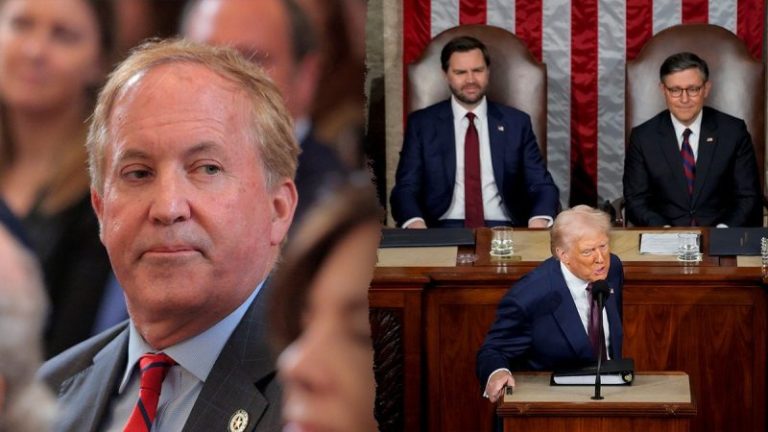
Texas Attorney General Ken Paxton is set to attend Trump’s address Tuesday night as a guest of Rep. Troy Nehls, R-Texas. Inside the room, he will be face-to-face with one of his opponents, Sen. John Cornyn, R-Texas, and Senate Republican leadership, who have sided with the longtime incumbent in the bloody, three-way primary battle.

Paxton told Fox News Digital in an interview from Nehls’ office that Tuesday was about Trump touting his accomplishments, not his battle for the GOP nomination in Texas.

‘If I see these guys, I’m going to be friendly. I’ve no axe to grind with [Senate Majority Leader] John Thune or any of the other leadership — they’re doing their jobs,’ Paxton said. ‘My axe to grind is with the guy that I’m running against, and his representation of the last 24 years has fallen way short. And Texans deserve better. And that’s the campaign, that’s not the State of the Union.’

Early voting has already begun in the Lone Star State, where Paxton is hoping to unseat Cornyn, who is vying for his fifth term in the upper chamber. Rep. Wesley Hunt, R-Texas, is also in the mix but won’t be attending Trump’s State of the Union address.

While Paxton was adamant that the address wasn’t about his campaign, the tense race was hard to avoid. He and Cornyn are both vying for Trump’s endorsement.

When asked why he invited Paxton, Nehls told Fox News Digital, ‘Because he’s going to be the next senator out of the great state of Texas.’

‘John Cornyn, he’s gotta go,’ Nehls said. ‘John, you know you’ve been up here for 24 years. If you can’t get your agenda done in 24, you’re not going to get it done in 30, right?’

Matt Mackowiak, a senior campaign advisor for Cornyn, told Fox News Digital in a statement that the lawmaker was ‘delighted that the president of the Border Patrol Union will be his guest tonight.’

‘While Senator Cornyn has voted with President Trump 99.3% of the time, Ken Paxton was lying to taxpayers, lying to his staff and lying to his wife, all the while increasing his net worth by millions of dollars while in public office,’ Mackowiak said. ‘He would devastate the GOP down-ballot if he’s the nominee.’

Meanwhile, both Nehls and Paxton were eager to hear Trump rattle through his accomplishments in what’s expected to be a marathon address.

Trump’s actions on immigration since starting his second term were top of mind for both Paxton and Nehls, who noted that during his time as a sheriff, he saw firsthand the effects of crime that would seep through the southern border.

‘Donald Trump put a stop to it right away,’ Nehls said. ‘We have the most secure border we’ve ever had, and that’s because of Donald Trump’s leadership.’

Related Article

Cornyn warns Paxton would be ‘kiss of death’ for GOP as bloody primary race ramps up
This post appeared first on FOX NEWS

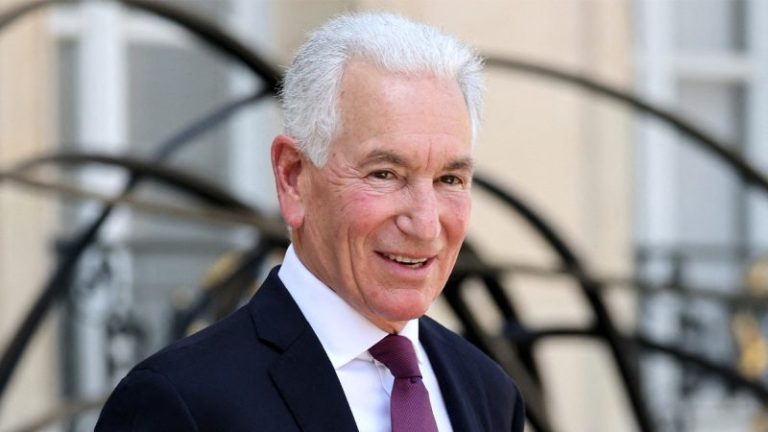
U.S. and French officials signaled Tuesday they are working to steady relations after a diplomatic flare-up that led France to restrict U.S. Ambassador Charles Kushner’s access to senior government officials.

The U.S. Embassy in France told Fox News Digital that the two sides remain in contact following the dispute, which was triggered by U.S. government social media posts about the killing of a French activist earlier this month.

‘Ambassador Kushner and Foreign Minister Barrot, who have met regularly during the Ambassador’s tenure, spoke today in a frank and amicable call, reaffirming their shared commitment to working together, along with all other Ministers and French officials, on the many issues that impact the United States and France, particularly as the two countries celebrate 250 years of rich diplomatic relations,’ the statement said.

The outreach suggests both governments are seeking to contain the fallout from a clash that briefly raised questions about diplomatic protocol and political sensitivities between two of NATO’s closest allies.

France had moved to limit Kushner’s access to top officials after he did not attend a summons at the French Foreign Ministry over remarks posted by official U.S. government accounts following the death of 23-year-old activist Quentin Deranque, who was killed during clashes between far-left and far-right groups in Lyon earlier this month.

The Associated Press reported that Deranque, described as a far-right activist and a fervent nationalist, was beaten during the confrontation and later died of brain injuries sustained in the attack.

In a Feb. 19 post on X, the U.S. State Department’s Bureau of Counterterrorism wrote that reports — corroborated by France’s interior minister — that Deranque was killed by left-wing militants ‘should concern us all,’ adding: ‘Violent radical leftism is on the rise and its role in Quentin Deranque’s death demonstrates the threat it poses to public safety.’ The U.S. Embassy in France later shared the statement on its official account.

French Foreign Minister Jean-Noël Barrot characterized the remarks as an unwelcome intrusion into France’s domestic political debate and said Kushner’s failure to appear at the Quai d’Orsay ‘will naturally affect his ability to carry out his mission in our country.’ He described the no-show as a ‘surprise,’ saying ambassadors are expected to respect ‘the most basic practices of diplomacy’ when summoned.

‘We have no lessons to learn in matters of maintaining order or public order in matters of violence, and we have no lessons to learn at all from the reactionary international, simply,’ Barrot said in an interview with public broadcaster France Info.

While Tuesday’s call between Kushner and Barrot indicates both sides are attempting to prevent the disagreement from escalating, the episode unfolded against a broader backdrop of periodic tension in transatlantic relations.

France has at times pushed for greater European ‘strategic autonomy’ in defense and foreign policy — an approach that can diverge from Washington’s priorities, particularly as President Donald Trump has pressed NATO allies to increase defense spending and align more closely with U.S. strategic objectives. Trade has also been a recurring friction point in recent years, with tariff disputes between the United States and the European Union periodically affecting French exports.

Despite those differences, France remains one of Washington’s closest security partners in Europe, cooperating extensively on counterterrorism, intelligence sharing and NATO operations. Diplomatic access to senior officials plays a central role in coordinating those efforts, making even symbolic restrictions notable.

Related Article

Foreign ambassador to leave US post after Trump criticism
This post appeared first on FOX NEWS