Archive

2025

Browsing

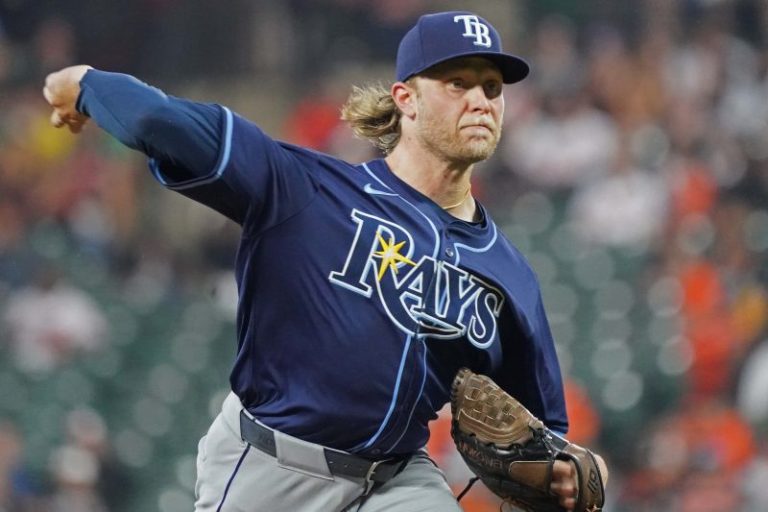
The Baltimore Orioles and Tampa Bay Rays consummated their third big trade in the past two years, as the Orioles acquired much-needed starting pitching in right-handed starter Shane Baz, in exchange for an impressive and freshly drafted prospect package.

The teams announced Dec. 19 that the Orioles will receive Baz in exchange for 2025 draftees Caden Bodine and Slater de Brun, along with pitching prospect Michael Forret, outfielder Austin Overn and the 33rd overall pick in the 2026 draft, a competitive balance selection. It continued a busy day for the Rays, who added seven players to their portfolio, with two more coming in the three-way deal that saw them ship Brandon Lowe to Pittsburgh.

Baz, 26, gives the Orioles a potentially dominant piece of their rotation, even as he continues the ramp-up from Tommy John surgery that erased his entire 2023 season. Baz returned to make 14 starts with a 3.06 ERA in 2024, then ramped his innings pitched total to 166 in 2025, even as his ERA spiked to 4.87. Yet his 2025 road ERA of 3.86 was far better than his 5.90 mark at Steinbrenner Field, the hitter-friendly, wind-swept park the Rays used as repairs were made to Tropicana Field.

That’s a pretty good starting point heading to 2026, when Baz shouldn’t face innings restrictions and may be best poised to reclaim the form that saw him strike out 12.2 batters per nine innings in his major league glimpses with the Rays in 2021 and 2022.

Baz is also under team control for three seasons, aligning with franchise cornerstones Gunnar Henderson and Adley Rutschman and newly signed slugger Pete Alonso, who received a five-year, $155 million deal.

He folds into an Orioles rotation helmed by right-hander Kyle Bradish and lefty Trevor Rogers, taking significant pressure off Bradish and Tyler Wells, who are bouncing back from elbow surgeries of their own. The Orioles are still expected to explore further starting pitching reinforcements.

In return, the Rays got a relatively deluxe package of prospects, led by catcher Bodine, an on-base savant and the 30th overall pick out of Coastal Carolina in July’s draft; he can catch and play outfield. The Rays also snagged de Brun, a prep outfielder from Oregon drafted 37th overall in July.

De Brun was ranked sixth overall in the Orioles’ still-strong farm system by MLB Pipeline, while Bodine and Forret – who struck out 91 in 74 innings across high A and AA in 2025 – are ranked 10th and 11th.

While AL East rivals, the Orioles and Rays have not shied away from big deals. The Orioles acquired right-hander Zach Eflin from Tampa Bay in 2024, and shipped reliever Bryan Baker to the Rays in July in exchange for a competitive-balance draft pick.

That pick was used on de Brun – who finds himself a Ray eventually, anyway.

This post appeared first on USA TODAY

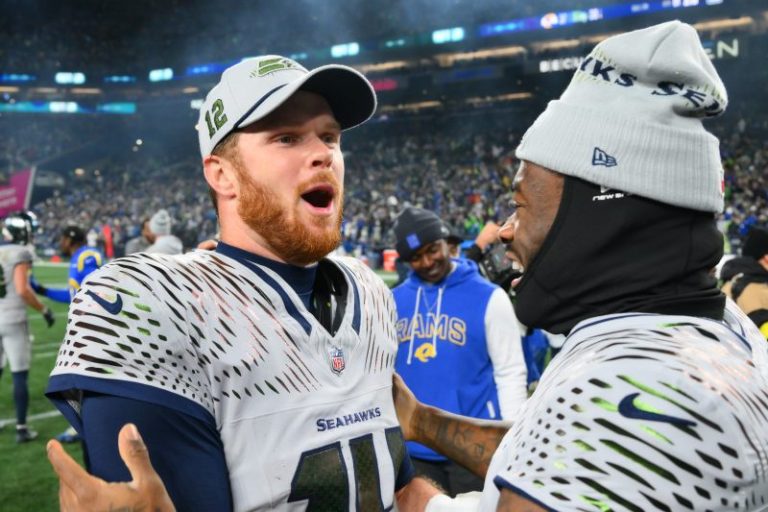
SEATTLE — On a cold December night in the Pacific Northwest, Sam Darnold was in the midst of a nightmare performance similar to his past two outings versus the Los Angeles Rams.

Darnold had thrown two interceptions and the Seahawks were down 30-14 midway through the fourth quarter. Seattle’s win probability was as low as 2.7% with 9:04 remaining in the fourth quarter, according to Next Gen Stats. The two picks gave Darnold eight total turnovers in his previous three meetings against the Rams, including the playoffs.

The crowd was restless.

Then momentum dramatically shifted when the Seahawks’ Rashid Shaheed returned a punt 58 yards to the house. It catapulted the Seahawks to their largest fourth-quarter comeback in franchise history. Seattle carried its momentum into overtime as they successfully converted a game-winning two-point conversion in a 38-37 overtime victory over the Rams.

Playoffs clinched. The Seahawks control their own destiny. First place in the NFC is currently theirs.

‘Just an electric atmosphere. With all the adversity we were dealing with throughout the game,’ Seahawks coach Mike Macdonald said postgame. ‘The resiliency (and) the relentlessness is there, the character of this team is there, and they have each other’s backs, all three phases.’

The adversity and resiliency Macdonald referenced postgame mostly resides with his starting quarterback.

Darnold exorcised his Rams demons in what was perhaps the biggest game of his career.

Following two interceptions in the second half, Darnold made a 26-yard touchdown pass to tight end AJ Barner in the fourth quarter. The Seahawks tied the game on the ensuing play on a bizarre two-point conversion. Then Darnold completed five of six passes in overtime that was capped off by a 4-yard touchdown pass to wide receiver Jaxon Smith-Njigba and a game-winning two-point try by tight end Eric Saubert.

‘For me especially, I’ve had games like this in the past where I haven’t played necessarily my best football and turned the ball over. But at the end of the game, you see yourself on the other side. It’s not great when you have interceptions and turnovers. You want to limit that, but all you can do is fight back,’ Darnold explained. ‘I was just going to continue to plug away and get the ball to open receivers, and go through my reads.’

What made Darnold’s response to adversity even more impressive is his recent history against the Rams. He went into Thursday 1-4 versus the Rams, including the playoffs. The Rams picked him off four times in Week 11 and twice before Thursday’s massive rally. Many might have thought the game was over when Darnold tossed his second interception of the night and just chalked it up as the Rams being Darnold’s kryptonite.

But the defense had a trio of three-and-outs in the fourth quarter, Shaheed ignited Seattle with thr punt return and Darnold showed tremendous resiliency after his earlier mishaps.

The victory could galvanize the Seahawks in their final two regular-season games and into the postseason. Seattle is on top of the NFC, and now it has a quarterback who’s proven he can respond to adversity and help rally the team to victory on a big stage.

‘These types of wins truly show what type of team you have,’ Seahawks defensive lineman Leonard Williams said. ‘To be able to comeback in the fourth quarter, go to overtime, get that two-point conversion, and like all those small details that you know bring the team together. Especially when we’re making that push into the playoffs where there’s gonna be some hard-fought games. I think that really shows what type of team we have.’

Follow USA TODAY Sports’ Tyler Dragon on X @TheTylerDragon.

This post appeared first on USA TODAY

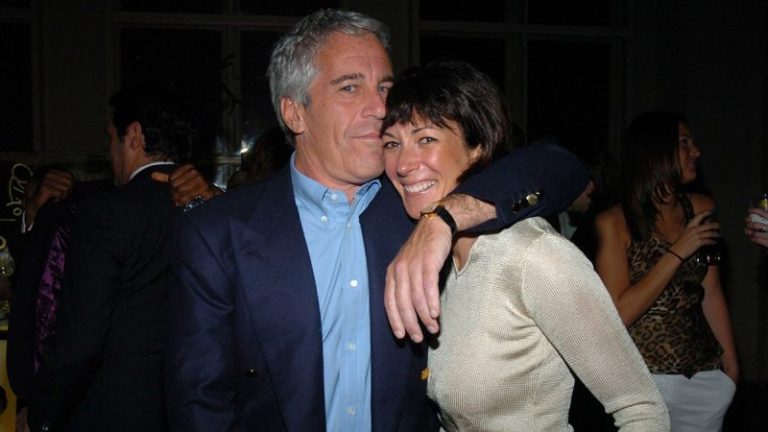
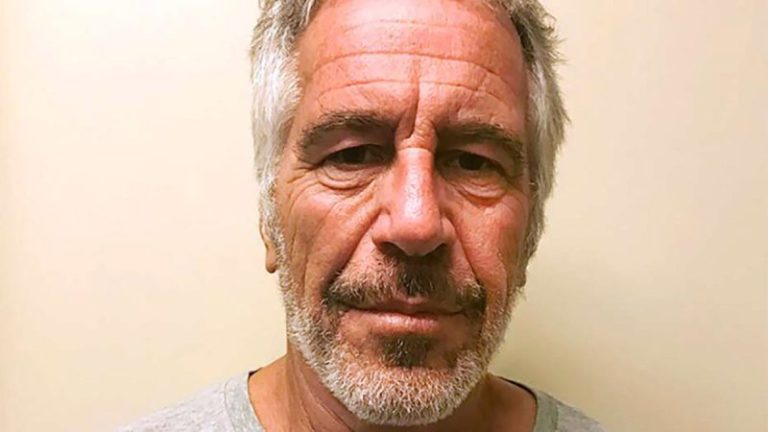
More than a dozen politically exposed people and government officials’ names appear in the hundreds of thousands of pages of Jeffrey Epstein files made public Friday, sources said.

And Deputy Attorney General Todd Blanche said the DOJ discovered more than 1,200 victims and their families during the exhaustive review, explaining the process behind determining which files could be released in a letter to Congress exclusively obtained by Fox News Digital.

Sources told Fox News Digital that new photos of Epstein with former President Bill Clinton are part of the release. 

The Justice Department redacted the names and identifiers of victims. Fox News Digital has learned that the same redaction standards were applied to politically exposed individuals and government officials. 

Fox News Digital exclusively obtained a letter written by Blanche to members of the House of Representatives regarding Friday’s anticipated release of the files under the Epstein Files Transparency Act.

‘We write to notify you that today the Department of Justice is producing hundreds of thousands of pages of responsive materials in compliance with the Epstein Files Transparency Act,’ Blanche wrote. 

‘Under the leadership of President Donald J. Trump and Attorney General Pam Bondi, this unprecedented disclosure highlights our commitment to following the law, being transparent, and protecting victims,’ Blanche continued, noting that the production of documents comes within the 30 days required under the law signed by the president.

‘This letter will summarize the Department’s historic efforts and disclose specific details regarding the review and production process,’ Blanche continued.

‘Never in American history has a President or the Department of Justice been this transparent with the American people about such a sensitive law enforcement matter,’ he added. ‘Democrat administrations in the past have refused to provide full details of the Jeffrey Epstein saga. But President Trump, Attorney General Pam Bondi, and FBI Director Patel are committed to providing full transparency consistent with the law.’ 

In November, the Epstein Files Transparency Act passed, requiring the government to release within 30 days all unclassified material in its possession related to Epstein’s and associate Ghislaine Maxwell’s sex trafficking cases. 

President Donald Trump signed the bill into law in November. 

The law allows the DOJ to omit or redact any references to victims and files that could jeopardize pending investigations or litigation, such as a probe Bondi recently opened in New York into Epstein’s ties to Democrats. Information could also be left out ‘in the interest of national defense or foreign policy,’ the law says.

Meanwhile, in the letter obtained by Fox News Digital, Blanche revealed that the Justice Department, through its sprawling internal process, learned of more than 1,200 victims.

‘This process resulted in over 1,200 names being identified as victims or their relatives,’ Blanche wrote. ‘We have redacted reference to such names. In addition to redacting the names of these victims, we have also redacted and are not producing any materials that could result in their identification.’

Blanche explained that ‘all unclassified records, documents, communications, and investigative materials that relate to: Jeffrey Epstein including all investigations, prosecutions, or custodial matters’ are being released.

Also being released are any records relating to ‘Ghislaine Maxwell; flight logs or travel records..for any aircraft, vessel, or vehicle owned, operated or used by Jeffrey Epstein or any related entity.’

The DOJ is releasing any records or documents with ‘individuals, including government officials, named or referenced in connection with Epstein’s criminal activities, civil settlements, immunity or plea agreements, or investigatory proceedings;’ as well as any ‘entities..with known or alleged ties to Epstein’s trafficking or financial networks.’

The documents will also reference ‘any immunity deals, non-prosecution agreements, plea bargains, or sealed settlements involving Epstein or his associates.’

The DOJ also is making public any ‘internal DOJ communications, including emails, memos, meeting notes, concerning decisions to charge, not charge, investigate, or decline to investigate Epstein or his associates,’ Blanche said.

The documents will also include ‘all communications, memorandum, directives, logs or metadata concerning the destruction, deletion, alteration, misplacement, or concealment of documents, recordings or electronic data related to Epstein, his associates, his detention and death, or any investigative files.’

Blanche also said that any ‘documentation of Epstein’s detention or death, including incident reports, witness interviews, medical examiner files, autopsy reports, and written records detailing the circumstances and cause of death’ will also be released.

Blanche said the DOJ is continuing to review additional documents and other items for ‘potential responsiveness.’ 

‘Just this week, one of the Department’s components provided additional victim information requiring updated review of materials, and in the last few weeks multiple courts have granted the Department’s unsealing motions, requiring detailed review of thousands of pages of investigative and grand jury material.’

Blanche pointed to a ruling in the Southern District of New York requiring ‘additional layers of review to minimize the risk of inadvertent production of protected victim information.’

‘We anticipate this ongoing review being completed over the next several weeks.’

Blanche explained that prior to the passage of the new Epstein law, the DOJ conducted ‘a thorough review, including digital searches of databases, hard drives, and network drives as well as searches of real and personal properties.’ 

‘This review did not reveal credible evidence that Epstein blackmailed prominent individuals, nor did it undercover evidence that could predicate an investigation against uncharged third parties,’ Blanche explained. He added that judges in the Southern District of Florida and the Southern District of New York have authorized the DOJ to produce materials ‘previously prohibited from production by protective orders and grand jury secrecy laws.’

Blanche explained that the review protocol instructed attorneys to redact or withhold material that contained personally identifiable information of victims; depicted or contained child sexual abuse materials…; would jeopardize an active investigation or prosecution; depicted images of death, physical abuse, or injury; and property classified national defense or foreign policy information.’

‘Protecting victims is of the highest priority for President Trump, the Attorney General, the Federal Bureau of Investigation, and the Department of Justice,’ Blanche wrote. ‘As part of the review and production, the Department solicited counsel for any victims of Jeffrey Epstein and invited counsel to provide us with names of victims, whether previously identified or not.

‘This process resulted in over 1,200 names being identified as victims or their relatives,’ Blanche wrote. ‘We have redacted reference to such names. In addition to redacting the names of these victims, we have also redacted and are not producing any materials that could result in their identification.’ 

Blanche said the Justice Department’s review team consisted of more than 200 DOJ attorneys working to determine whether materials were responsive under the Act and, if so, whether redactions or withholding was required.

The review had multiple layers, according to Blanche, including 187 attorneys from the DOJ’s National Security Division conducting a review of all items for responsiveness. Next, a quality control team of 25 attorneys conducted a second-level review to ensure that victims’ personal identifying information was properly redacted and that materials that should not be redacted were not marked for redaction.

Then, assistant U.S. attorneys from the Southern District of New York reviewed the responsive materials to confirm appropriate redactions.

‘The Department will continue to follow the Review Protocol and add to the public website materials that are responsive under the Act, and the Department will inform Congress when that review and production are complete by the end of this year,’ Blanche said.

‘The Department’s commitment to transparency, following the law, and protecting all victims under the leadership of President Trump, Attorney General Pam Bondi, and FBI Director Patel will never waver.’

Fox News’ Ashley Oliver contributed to this report. 

This post appeared first on FOX NEWS

The Justice Department posted thousands of pages related to Jeffrey Epstein’s and Ghislaine Maxwell’s sex-trafficking cases on a public website Friday and said additional documents were forthcoming.

The trove of documents was released under the Epstein Files Transparency Act, a law passed last month that imposed a 30-day deadline on the DOJ to publish all unclassified material related to the cases.

The files came from the DOJ, the FBI, the Southern District of New York and other entities, and they were expected to include public and nonpublic information about Epstein, a registered sex offender who faced charges of trafficking underage women before dying in prison in 2019 in what authorities said was a suicide.

The bill also required the DOJ to release flight logs, the DOJ’s internal communications about the cases, information on Epstein’s death and any material about people, government entities or companies with ties to Epstein’s ‘trafficking or financial networks.’

The documents included redactions and reasons for blocking out the information. The transparency bill gave the DOJ wide latitude to withhold information that could identify victims, child pornography and material that could jeopardize open investigations or litigation. The government could also leave out information ‘in the interest of national defense or foreign policy,’ the bill said.

Because President Donald Trump signed the bill into law on Nov. 19, the statutory deadline for release is Dec. 19.

The DOJ is already facing scrutiny for missing the cutoff date after Deputy Attorney General Todd Blanche said Friday’s documents were incomplete during an interview with Fox News.

Blanche said he expected the government to upload ‘several hundred thousand more’ pages in the coming couple of weeks. Senate Minority Leader Chuck Schumer, D-N.Y., warned that Democrats are ‘working closely with attorneys for the victims of Jeffrey Epstein and with outside legal experts’ to address the anticipated late files.

This is a breaking story. Check back for updates.

This post appeared first on FOX NEWS

The Treasury Department announced new sanctions Friday that target seven family members and associates tied to Nicolás Maduro’s regime, which the Trump administration continues to put in its crosshairs.

The action, carried out by the Office of Foreign Assets Control (OFAC), seeks to address corruption and deceptive practices involving the Venezuelan state.

‘Today, Treasury sanctioned individuals who are propping up Nicolás Maduro’s rogue narco-state. We will not allow Venezuela to continue flooding our nation with deadly drugs,’ Secretary of the Treasury Scott Bessent said. 

‘Maduro and his criminal accomplices threaten our hemisphere’s peace and stability. The Trump Administration will continue targeting the networks that prop up his illegitimate dictatorship.’

This builds on sanctions issued earlier this month, with the Treasury now targeting family networks, not just individuals. The Treasury release names the familial networks of Carlos Erik Malpica Flores (Malpica Flores) and Ramon Carretero Napolitano (Ramon Carretero).

The named and sanctioned individuals in the Treasury release include Eloisa Flores de Malpica, Malpica Flores’ mother and the sister of Cilia Flores; Carlos Evelio Malpica Torrealba, his father; Iriamni Malpica Flores, his sister; Damaris del Carmen Hurtado Perez, his wife; and Erica Patricia Malpica Hurtado, his adult daughter.

According to the Treasury Department, sanctions are not meant to punish indefinitely, and OFAC provides a formal process for petitioning removal.

This post appeared first on FOX NEWS

The Trump administration has cut more than 600 rules and regulations in the past year, while only introducing five new ones in an effort to advance Trump’s deregulation priorities, Fox News Digital has learned.

Trump did not hesitate to take action to cut red tape as soon as he took office — after former President Joe Biden’s administration introduced hundreds of new rules every year during his term in the White House. As a result, Trump signed an executive order in January instructing federal agencies to eradicate 10 regulations for every new one implemented. 

As a result, agencies submitted more than 1,300 proposals to OMB’s Office of Information and Regulatory Affairs (OIRA) in 2025 — resulting in a total of 646 deregulatory actions this fiscal year, according to the Office of Management and Budget (OMB). 

Altogether, the deregulatory actions have amounted to $211.8 billion in net cost savings in fiscal year 2025, translating to more than $600 per American, according to OMB.

‘The Trump Administration’s deregulatory agenda is the most ambitious in American history,’ OMB Director Russ Vought said in a statement to Fox News Digital. ‘We have blown far past the target 10 to 1 deregulatory ratio in President Trump’s Executive Order, saving hundreds of billions for the American people.’

‘In less than one year we have already achieved more savings than in all four years of the prior Trump Administration, and we’re just getting started,’ Vought said. 

Deregulatory actions that the Trump administration has taken this year include eliminating the requirement to remove shoes during Transportation Safety Administration (TSA) airport screenings — saving every passenger roughly two minutes going through TSA. Additionally, the Financial Crimes Enforcement Network (FinCEN) at the Department of the Treasury eliminated a rule for U.S. companies and individuals to report to the government personal informationrelated to business ownership. 

The bulk of deregulatory actions taken occurred at the Department of the Treasury, the Department of Veterans Affairs, the Department of Transportation, the Department of Agriculture and the Department of Homeland Security.

Meanwhile, the Biden administration added between roughly 400 and nearly 800 rules each year — which were often coupled with additional regulations, according to a senior administration official. 

Total regulatory costs imposed under the Biden administration snowballed and accumulated to $1.8 trillion during his term in the White House, according to the American Action Forum, a center-right policy institute. 

Biden did not immediately respond to a request for comment from Fox News Digital. 

Meanwhile, the Trump administration has come under scrutiny from Democrats and some Republicans for its deregulatory push. 

Democrats opposed a proposal from Trump’s Labor Department to slash more than 60 workplace regulations that encompassed a host of issues, including minimum wage requirements to harmful substance exposure guidelines. 

‘Donald Trump is betraying America’s workers by forcing people to choose between a paycheck and their safety,’ Democratic National Committee Chair Ken Martin said in a statement in July. ‘Slashing basic protections like standards to ensure roofs don’t collapse, minimum wage for home health care workers, and proper lighting in a construction site won’t make workers safer or small businesses stronger — it will just make greedy corporations richer.’ 

This post appeared first on FOX NEWS

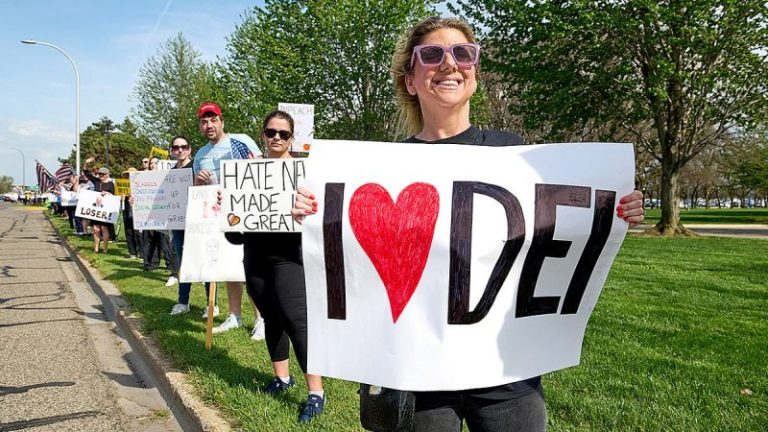
The Wisconsin Institute for Law and Liberty (WILL), a conservative legal group, is requesting the Trump administration remove race from the Centers for Disease Control and Prevention’s (CDC) ‘Social Vulnerability Index,’ which the groups claim is being used by liberal localities to steer funds to communities based on race.

WILL refers to what has been taking place as ‘DEI redlining’ in its letter to Trump administration officials at the CDC and the Health and Human Services Department (HHS). It says the tool helps localities prioritize Black and Hispanic neighborhoods over White neighborhoods due to racial composition, independent of any other factors, like poverty.  

‘In the name of ‘racial equity,’ local officials prioritize certain geographic areas for public safety, parks improvements, public swimming pool closures, broadband access, safe drinking water, and disaster assistance,’ the letter to HHS Secretary Robert F. Kennedy Jr. and CDC Acting Director Jim O’Neill stated. ‘And these governments point to CDC’s SVI as the reason for their race-based spending.’

Among various examples the group highlights is Milwaukee, Wisconsin’s county parks department, which states on their website that the Milwaukee Parks Foundation ‘works to reduce or eliminate racial disparities through investments and activation of park spaces that rank high on the Milwaukee County Park’s Equity Index.’ 

Meanwhile, an inter-office communication from 2024 obtained by WILL, updating officials on the ‘Parks Equity Index,’ the Milwaukee Parks Foundation points out that ‘the CDC’s Social Vulnerability Index’ is part of its ‘weighted composite data analysis’ meant to help streamline decision-making within the department.         

‘In other words, parks in white neighborhoods are de-prioritized, while parks in non-white neighborhoods are prioritized,’ WILL argues in its letter to HHS and the CDC.

To show the real life consequences of this, the conservative law group pointed to a community pool that has been closed for the past few years in a local town that is 90% White.  According to local media reports, the pool needs about $600,000 in repairs, but WILL said those will likely never come to fruition, since the community ranks low on the parks department’s ‘Racial equity Index.’ 

Milwaukee County Parks Department came out with a study indicating it was considering shutting down the pool or transferring it to be run through a public-private partnership similar to other pools in the area, according to local outlet Urban Milwaukee.

‘According to Milwaukee County, Hales Corners ranks 128 out of 153 parks in Milwaukee County, with a 3 out of 10 score and a 0.33 SVI score. So the kids and families in Hales Corners will lose their swimming pool, which has been a community fixture since 1968, because the residents are too white,’ WILL argued in their letter. ‘Race-based SVI encourages the use of race for its own sake, or at best, as a proxy for other elements already accounted for within the SVI.’

Fox News Digital reached out to the Milwaukee Parks Department for comment but did not receive a response in time for publication.

WILL pointed to numerous examples of case law determining such activities are unconstitutional, including the recent Students for Fair Admission case that resulted in an overhaul of affirmative action rules in higher education. 

Besides Milwaukee, WILL highlighted examples from California’s Community Development Block Program, run by the state’s Department of Housing and Community Development, which the conservative law group alleges is using the CDC’s SVI index to help prepare for, and respond to, natural disasters. Connecticut’s ‘Drinking Water State Revolving Fund,’ which helps maintain public water systems and assigns a ‘Social Vulnerability Index score’ to each project, was listed as well.

Cook County, in Chicago, was also among those listed. Their ‘Comprehensive Broadband Planning Initiative’ says explicitly on its website that it ‘prioritizes communities with the highest Social Vulnerability Index (SVI) in Illinois.’

This post appeared first on FOX NEWS

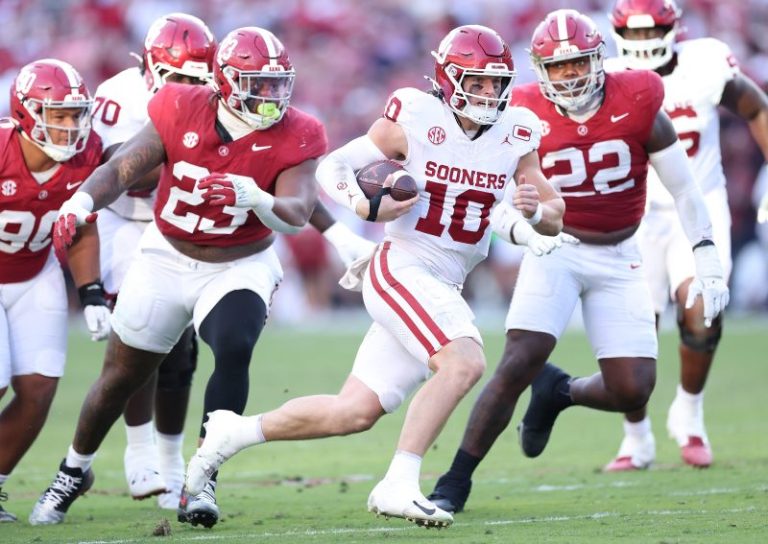
If you’re looking for pedigree in one of the games in the first round of the College Football Playoff then the meeting of Alabama and Oklahoma is your meeting. Including this year, the teams have combined for 14 appearances and three titles with the lion share of those coming from the Crimson Tide’s success under Nick Saban.

This is the first playoff for Kalen DeBoer in his two seasons as Alabama coach. But he does have the previous experience of taking Washington to the title game in the 2023 campaign. Oklahoma has been to the playoff four times previously and yet to win a game. Is this finally the time for the Sooners to break through?

If they do, it will happen with defense leading the way. In the previous meeting between the teams five weeks ago, Oklahoma forced three turnovers and pulled out a road win in Tuscaloosa. Alabama will need to avoid those miscues in what should be a low-scoring game.

Which team will advance to a meeting with Indiana in the Rose Bowl? Our experts weigh in with their predictions.

Matt Hayes

Unless the Alabama offense has had a reawakening in the last two weeks, what happened in Tuscaloosa in November will play out again in Norman. And probably just as ugly. Oklahoma finally gets its first playoff win and keeps its streak against the Crimson Tide going. Oklahoma 20, Alabama 17.

Jordan Mendoza

Alabama didn’t look good toward the end of the season, including the home loss to Oklahoma. It would make sense the Crimson Tide would again struggle against the Sooners, but the extra time off should give the Alabama offense some time to get back in rhythm. But its defense wins the day to get a revenge win and move onto the Rose Bowl. Alabama 20, Oklahoma 19.

Paul Myerberg

What did Alabama learn from this year’s loss to Oklahoma? (And last year’s, too.) Look for the rematch to be decided on defense and by which team avoids the type of crucial turnover that could tip the game in either direction. Despite dropping two in a row to the Sooners, the Crimson Tide have more room for error. Alabama 20, Oklahoma 13.

Erick Smith

Oklahoma’s margin for error has been slim with its offense struggling to generate consistent success and its elite defense and special teams providing field position and points. Alabama has more balance and ability to generate big plays in the passing game. The Tide just need to play clean. It’s a tough ask. But they somehow pull it out. Alabama 24, Oklahoma 21.

Eddie Timanus

In all likelihood, we’re in for another defensive slog that typified the early matchup between the teams. The side that gets the most opportunities with a short field will slip by, and the Tide will be able to create more such chances. Alabama 20, Oklahoma 13.

Blake Toppmeyer

If Alabama loses to Oklahoma for the third time in the past 13 months, Crimson Tide fans will direct Kalen DeBoer to a copy of “100 Things to Do in Ann Arbor Before You Die.” Neither offense enters this game playing well, but the Sooners possess an elite defense. That, plus home-field advantage, is a powerful combination. Oklahoma 19, Alabama 17.

This post appeared first on USA TODAY

The latest 2026 NFL mock draft has QBs Fernando Mendoza and Dante Moore going 1-2, though Ty Simpson remains a wild card.
The Giants could be in prime position to trade back if they land the No. 1 overall pick.
A run of defensive players could help round out the top 10.
Ohio State is predicted to have four players selected in the first round, including two in the top ten.
Several trades are proposed, including the Jets moving up to the first pick and the Giants acquiring additional first-round selections.

With the NFL’s regular season drawing to a close, compiling a 2026 mock draft has gone from complete guesswork to … educated guesswork.

With the top of the first-round order still not set and the underclassmen declaration cutoff almost a month away, there are still many moving parts that need to be settled before the full picture can come into focus. But the parts are moving more slowly, at least, with the College Football Playoff beginning and the top 18 slots nearly two weeks away from being set. And as the action on the field gears down, that’s when draft season truly ramps up.

With that in mind, here’s our latest 2026 NFL mock draft projection:

2026 NFL mock draft

1. (PROPOSED TRADE) New York Jets (from New York Giants) – Fernando Mendoza, QB, Indiana

If the Giants do secure the top overall pick, they might as well start the bidding for the selection right after Week 18. With Jaxson Dart in tow and a robust pass rush, there’s no reason for Big Blue to hang onto this spot when it has myriad other needs that don’t necessarily align with the top of the draft board. The Jets could seize on that opportunity by flipping their own top-five pick and the Indianapolis Colts’ selection from the Sauce Gardner trade, which is rapidly becoming more valuable amid the team’s spiral. After a season of stasis, Gang Green would have every reason to strike out for Mendoza, a high-floor passer who also could help bring a cultural sea change. With much of the offensive line in place and Garrett Wilson at his disposal, the Jets could actually propel themselves a good distance in 2026 if they’re able to bring aboard Mendoza as a pilot.

2. Las Vegas Raiders – Dante Moore, QB, Oregon

The Silver and Black host the Giants in Week 17 in a matchup that likely will decide who secures the No. 1 overall pick. Given the way things are going, the Raiders might be the front-runners for the slot. The expansive scope of an undeniable rebuild is setting in for Las Vegas, which has to decide whether to make more expansive leadership changes after already firing Chip Kelly. And while the current setup hardly feels conducive to success for an inexperienced young quarterback, the front office has the cap space to go on a free-agent spending spree and fast-track a facelift at a few key spots. Moore could still return to Oregon for another year, but his composure and ability to thrive both within and outside of structure will make him a coveted prospect if he takes the leap.

3. Tennessee Titans – Arvell Reese, LB/DE, Ohio State

Losing out on the top draft pick isn’t necessarily a devastating development for Tennessee, which could have benefitted from trading back but still lands arguably this class’ premier prospect at No. 3. Reese increasingly looks ticketed for a move to the edge at the next level, as the shift would allow him to fully harness his rare tools to beat blockers and find the ball. There’s no telling what scheme the new coach would bring on, but there has to be room to build around the 6-4, 243-pounder regardless.

4. Cleveland Browns – Carnell Tate, WR, Ohio State

Take this not as any sort of referendum on Shedeur Sanders but rather an embrace of the work still to be done on this roster. The offense right now is essentially scorched earth, leaving this as an impossible turnaround for almost anyone the organization could put behind center. With Tate joining standout rookie tight end Harold Fannin Jr, the passing attack could finally get some cornerstones in place, though the offensive line also looks due for an overhaul.

5. (PROPOSED TRADE) Giants (from Jets) – Jordyn Tyson, WR, Arizona State

This seems like a much more natural spot for the Giants to settle in and address key areas of need, particularly receiver and offensive line. Injuries marred Tyson’s final season in Tempe, and his medical history could complicate what once seemed like a pretty straightforward case to be a top-10 pick. So long as teams are comfortable with his outlook, however, the 6-2, 200-pound target sizes up as exactly the kind of weapon who could thrive alongside Malik Nabers and help ease the burden on Dart.

6. Arizona Cardinals – Jeremiyah Love, RB, Notre Dame

As the Raiders and Ashton Jeanty demonstrated this year, taking a running back this high without the proper infrastructure to support him is a dangerous proposition. But Arizona is only a year removed from having one of the NFL’s most efficient ground attacks, with this season’s rushing output being derailed by backfield injuries. While the Cardinals still must address the offensive line in free agency, Love is an electric playmaker who could break big gains as both a runner and receiver.

7. New Orleans Saints – Keldric Faulk, DE, Auburn

Tyler Shough’s impressive returns in a short window should be more than enough to entrench him as the starting quarterback for 2026. With that question resolved, New Orleans can turn its attention to a roster that still feels like a grab bag of talent that still skews too old. The edge group surely could stand to be reimagined, and Faulk can earn his keep as an upper-echelon run stuffer while he hones his pass-rush skills.

8. Washington Commanders – Rueben Bain Jr., DE, Miami (Fla.)

Dan Quinn and Co. finally seemed to submit to a lost season, keeping Jayden Daniels from further harm by putting the star quarterback on ice until next season. For Washington to come anywhere close to reclaiming its status as an NFC contender, it will need to reinvigorate a front that has largely looked lifeless. While Bain’s burly build might spark some skepticism about whether he can be a prolific pass rusher off the edge in the NFL, Quinn might be able to look past that and to a skill set that enabled the 6-3, 275-pounder to become college football’s most consistent disruptive force.

9. Cincinnati Bengals – Caleb Downs, S, Ohio State

Taking a safety in the top 10 might be a non-starter for some talent-starved teams. The Bengals, however, should have no qualms about pouncing on Downs if he lasts to this point. After coach Zac Taylor’s pleas for someone on the defense to step up and lead largely went unheeded, the Jim Thorpe Award winner could be exactly the kind of transformative figure required to jump-start the unit. Cincinnati owns the league’s worst run defense and has been woeful when covering tight ends, and Downs could be an immediate force on both fronts.

10. Los Angeles Rams (from Atlanta Falcons) – Spencer Fano, OT, Utah

With a couple of late-season wins by Atlanta preventing this pick from ending up too much higher, the Rams end up with a steal in April’s trade rather than a full-on heist. Fano’s fleet feet would make him an enticing fit for Sean McVay’s offense, though he needs to become stronger to take on the NFC West’s bevy of powerful pass rushers.

11. Miami Dolphins – Jermod McCoy, CB, Tennessee

The calls for a quarterback here figure to grow considerably louder in the wake of Tua Tagovailoa’s benching. But Miami needs to display patience in several aspects of a rebuild that could have an extended timeline. Going with McCoy might have an extensive payoff down he line, as the 6-0, 193-pound cover man still has a solid claim as this class’ top cornerback despite missing the entire season with a torn anterior cruciate ligament.

12. Kansas City Chiefs – David Bailey, DE/OLB, Texas Tech

It’s a new day in Kansas City after the franchise’s 10-year playoff streak came to an end, and there’s significant pressure to parlay a rare early first-round draft pick into an immediate contributor. Bailey figures to be exactly that for whichever team he joins, with a lightning-quick first step and deep bag of moves enabling him to make a smooth transition. His 6-3, 250-pound frame might necessitate some creative usage, but the Chiefs can’t afford to be rigid given how far their pass rush has fallen off.

13. Minnesota Vikings – Mansoor Delane, CB, LSU

J.J. McCarthy’s last two outings have given Minnesota some signs of encouragement as the franchise tries to sort out its significant step back from its 2024 form. One area for the team to address is its outlook at cornerback, where injuries have taken a significant toll. Delane is far from the prototype at the position given his modest size and speed, but his coverage skills are impeccable and would allow the team to optimize its secondary by moving Byron Murphy Jr. back inside.

14. Dallas Cowboys – Sonny Styles, LB, Ohio State

Quinnen Williams’ arrival could only do so much to lift a defense that’s very nearly at its breaking point. A linebacker this early might seem like a luxury, but Styles is hyperathletic and remarkably clean against the run. Putting the 6-4, 243-pounder alongside DeMarvion Overshown would make for an imposing pairing on a defense that has too often been undone by miscues at the second level.

15. Baltimore Ravens – Peter Woods, DT, Clemson

The Ravens have made a habit of scooping up top talent after draft-day tumbles, and the trend could continue here with Woods. Originally seen as a potential top-five pick entering the season, the Clemson standout never managed to translate his occasional flashes of disruptiveness into the prolific production expected of him. At this point in the draft, however, he’s worth the gamble for a defense that has the fourth-worst pressure rate in the NFL, per Next Gen Stats.

16. Carolina Panthers – Kenyon Sadiq, TE, Oregon

When the Panthers offense is at its best, it’s chipping away at teams with its ground attack while mixing in downfield shots for chunk gains. But the unit still can’t hang its hat on either of those areas. Sadiq can be of considerable help in both categories, as the vertical threat also makes a serious dent in the run game with his overpowering blocks.

17. Detroit Lions – Francis Mauigoa, OT/G, Miami (Fla.)

Unable to recapture last season’s magic, the Lions are now on the outside of the NFC playoff picture after seizing the No. 1 seed a year ago. While the defense has been weighing down this year’s group, Detroit shouldn’t blink at the opportunity to fortify its front on either side of the ball. Sliding from tackle to guard here, the physical Mauigoa could help the Lions better assert themselves as the rough-and-tumble outfit that they’ve long sought to embody.

18. (PROPOSED TRADE) Giants (from Colts via Jets) – Brandon Cisse, CB, South Carolina

Big Blue has a host of issues, so scoring another first-round draft pick would be a sizable win if the team can manage it. Though there could be an inclination to repair a ramshackle run defense or double-dip on offense via the line, the glaring problem at cornerback warrants addressing after various recent investments went bust. An explosive athlete who can clamp down on receivers in coverage or catch up to them to make a play on the ball, Cisse would give the Giants some much-needed assistance to allow its vaunted pass rush a chance to do damage.

19. Tampa Bay Buccaneers – CJ Allen, LB, Georgia

For a team that should be the clear front-runners in the NFC South, Tampa Bay is still too often undermined by its own errors, particularly at the second level of its defense. Allen might be an immediate salve, with his savvy approaches to coverage and stuffing the run sure to stand out to Buccaneers brass.

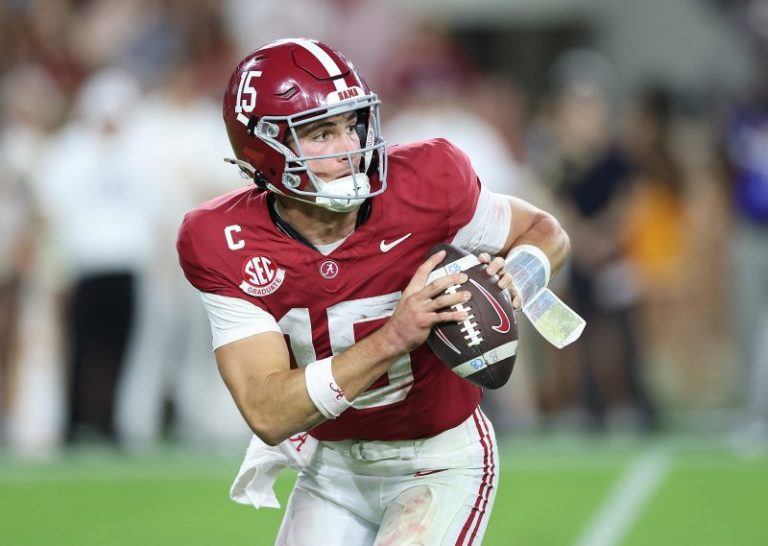
20. Pittsburgh Steelers – Ty Simpson, QB, Alabama

At one point this fall, Simpson was coming along so quickly in his first season as a starter that he looked like he could be a legitimate challenger to be the first quarterback taken in the draft despite his shortage of experience. Now, that notion seems fairly distant, as he’s struggled a good deal in the last month. Simpson still could threaten for a slot somewhere in the top 10, but his stock might be slightly volatile if he declares and lasts beyond that point. Pittsburgh might value his quick processing and pocket maneuvering more highly than some other teams, and his arrival could clear up a post-Aaron Rodgers future that long looked murky.

21. Philadelphia Eagles – Avieon Terrell, CB, Clemson

The story of Philadelphia’s offseason might center on how the organization handles the long-running unrest on offense, but that won’t be solved by plugging in a player or two. The outlook is much simpler in the secondary, where a No. 2 corner with Terrell’s coverage chops and tackling prowess would firm up the last pressing weakness on the back end.

22. Houston Texans – Kayden McDonald, DT, Ohio State

To some, the defensive line might seem like the last place for Houston to be concerned with after the fearsome pass rush helped revive the team’s season. But the Texans aren’t nearly as settled on the interior as they are on the edge, and McDonald could create additional headaches for opposing lines by commanding double teams and pushing the pocket.

23. Cowboys (from Green Bay Packers) – T.J. Parker, DE, Clemson

More change on the edge seems inevitable for the Cowboys, who face Dante Fowler Jr., Sam Williams and Jadeveon Clowney all hitting free agency. This might be early for Parker, who had a largely lackluster season after being projected as a potential top-15 pick in the spring. But the 6-3, 265-pounder is a well-rounded defender who served up a reminder of his potential with a three-sack outing against South Carolina.

24. Buffalo Bills – Denzel Boston, WR, Washington

It’s past time to break Josh Allen out of hero mode and give him the well-built downfield threat he’s so sorely been lacking. At 6-4 and 210 pounds with a knack for coming down with contested catches, Boston ticks nearly every box of what the Bills should be seeking in a potential go-to target.

25. Chicago Bears – A’Mauri Washington, DT, Oregon

Turnovers have been the life force of the Bears’ defense, but the unit needs to depend on a more tenable formula after this season. The forceful Washington, who would be a fine running mate for Gervon Dexter Sr., could help Chicago better command the line of scrimmage.

26. Los Angeles Chargers – Caleb Banks, DT, Florida

A broken foot derailed Banks’ season, but don’t sleep on the 6-6, 330-pounder’s chances of cracking the first round. He offers more pass-rushing upside than many of the other massive interior defenders in this draft, and he would still enable Jim Harbaugh to play the brand of bully ball he desires.

27. San Francisco 49ers – Makai Lemon, WR, USC

The Brandon Aiyuk saga doesn’t appear to be headed for any sort of reconciliation between San Francisco and the talented wideout, leaving the 49ers with a distinct lack of clarity beyond Ricky Pearsall in the receiving corps. Adept at freeing himself from coverage in the underneath and intermediate areas, Lemon could become a fast favorite of Kyle Shanahan, who could position the Biletnikoff Award winner to become a high-volume target early on in his scheme.

28. Browns (from Jacksonville Jaguars) – Kadyn Proctor, OT, Alabama

No matter what direction they go with their two first-round draft picks, the Browns need to take some sizable swings to close a significant talent gap with the rest of the AFC. Bringing aboard the 6-7, 360-pound Proctor would certainly qualify as that, as he could provide a major payoff if he’s able to iron out some inconsistencies as a blindside protector.

29. Rams – Emmanuel McNeil-Warren, S, Toledo

What does the team that has very nearly everything give itself with a second first-round draft pick? The secondary surely stands out as a point of interest for Los Angeles despite the progress made this season, and McNeil-Warren’s size (6-2, 202 pounds) and range would present more opportunities for the defense to stay aggressive and versatile.

30. New England Patriots – Cashius Howell, OLB/DE, Texas A&M

An undersized edge rusher who took the Southeastern Conference by storm after transferring from Bowling Green, Howell seems like the kind of player Mike Vrabel would pound the table for. New England could stand to add more juice to its pass rush, particularly if it doesn’t re-sign K’Lavon Chaisson after his breakout season.

31. Seattle Seahawks – Colton Hood, CB, Tennessee

There aren’t too many points of uncertainty for the Seahawks’ loaded defense in the near term, but the 2026 cornerback room is one of them. Hood combines the size and spirit necessary to take on the likes of Puka Nacua and Davante Adams, though taking on the talented duo is a tall task for any rookie.

32. Denver Broncos – KC Concepcion, WR, Texas A&M

An offense that once had to scrape along before putting things together late seems to be finding its stride. But Bo Nix surely wouldn’t object to being given a threat like Concepcion, who could accelerate the unit’s big-play progress and complement Courtland Sutton nicely.

This post appeared first on USA TODAY

At this point, Major League Baseball’s winter merry-go-round of blue chip free agents should be slowing to a halt. Yet here we are, a week before the holidays tip off in earnest, and the music has hardly commenced.

Generally, if business isn’t finished by Dec. 25, it gets booted into the new year, where a different countdown clock commences: a month or less before the modern player typically arrives at their team’s spring training facility.

And it’s not so much the big names still on the board as it is the lack of specificity attached to them. Certainly, tires have been kicked and perhaps even offers made under the radar, but since a brief winter meetings burst, movement has been anything but imminent.

With that, let’s aim to speed things along with destinations for a half-dozen of this winter’s biggest names:

Kyle Tucker

Might be the quietest and oddest pursuit of a definitive 1/1 free agent in recent memory – heavy on supposition, light on specifics. Lest we remind you, Juan Soto and Shohei Ohtani signed their $700 million-plus contracts just as the winter meetings began and shortly after they concluded, respectively, the past two seasons.

Even in the grim soft core collusion days of recent vintage, there were sightings of Manny Machado sneaking a meeting at Citizens Bank Park and rumblings that clubs might try a quick strike on Bryce Harper on a shorter term, fatter annual basis before those fellows found homes nearly a month into spring training.

Tucker? He’s a bit less dynamic a presence than the aforementioned superstars, and thus the buzz has been a tad less palpable. But his time will come soon, as the pool gets shallower.

And the destination that’s made sense all along – Toronto – only continues to blink brightly.

The Blue Jays’ podium finishes in the Soto and Ohtani sweepstakes shows a fair amount of dry powder remains at Rogers Centre even after they inked their own franchise player to a $500 million deal. Sliding Tucker into a corner outfield spot would also come so easily and provide a readymade lineup replacement when George Springer departs after this season.

But for 2026, the Blue Jays can pretty much concoct a dream team, with fresh blood to quickly cure that one-game-short residual effect as they gun for a World Series title.

Destination: Blue Jays

Bo Bichette

Yeah, might as well get both these guys out of the way. It’s a bit less likely the Jays can lay out cash for Vladimir Guerrero Jr. and Dylan Cease and Tucker and retain their homegrown middle infielder, who recently reportedly acknowledged he’d be willing to move off shortstop to second base.

That will significantly boost the comfort level for prospective suitors who might have been scared off by his suboptimal defensive metrics as he reached his late 20s. And while his market value may take a little hit, his offensive profile – two-time AL hits king, consistent 20-plus home run pop, a .311 average and .840 OPS in his platform year – holds up quite well at second.

Yet will the market be there for him in this particular winter?

Teams certainly loved what they saw in 2025, and even after a knee injury cost him the final month of the season and the first two rounds of the playoffs, his relatively heroic World Series performance on essentially one leg was an eye-opener.

Still, he may find the landscape more lucrative next winter, with another big offensive year on the board and 162 games to show how dynamic and productive he can be at second base. More teams should be in play: Nico Hoerner and Jazz Chisholm Jr. will be free agents, which on one hand fills the market with second basemen but on the other puts a pair of massive-market teams in the mix.

Perhaps Bichette follows the path old teammate Marcus Semien paved: A switch to second, one massive season in Toronto and then a return trip to the market a year later, when he’ll still be just 28.

Destination: Blue Jays

Framber Valdez

We certainly miscalculated, believing Valdez might be a 1A to Dylan Cease’s No. 1, if not a tad higher given Valdez’s uber-consistent success in Houston.

Alas, chicks – and by chicks, we mean front offices – dig the strikeout, which is why the Blue Jays lavished $210 million on Cease before the turkey hit the oven last month. Valdez is simply a horse whose value spreads intrinsically throughout a five-man rotation.

He’s averaged 192 innings for the Astros the past four seasons, toting a 1.16 WHIP all along, has won some huge playoff games and consistently punches out eight to nine per nine innings over his career.

Sure, his Texit wasn’t entirely smooth, and he’s not the sort of ace whose charisma might light up the box office. But the Baltimore Orioles don’t need that: They’ve got Pete Alonso and the proverbial bright young core, and are badly in need of both pitching and a guy who can predictably provide more than 150 innings of excellent work.

The Orioles said they had no limitations financially this winter, and we believed them, and suddenly Alonso was studying up on how best to crack a crab. They intimated they weren’t done this winter even with Alonso in the fold.

We still believe them.

Destination: Orioles

Alex Bregman

When you put on the Boston Red Sox uniform, the window between beloved superstar and whisper campaign once you leave is never large. And by all metrics, Bregman’s one year in Boston – on a heavily-deferred $40 million salary with an opt-out – was a huge success.

The consummate clubhouse dude played a massive role in returning playoff baseball to Boston, even if his arrival created a domino effect that shoved Rafael Devers off third base and eventually to San Francisco.

Yet with roughly $250 million off the books thanks to Devers’ departure, re-upping Bregman should theoretically be easy enough – along with further upgrades. But the Red Sox passed on Alonso and Bregman is hanging out there like a massive prize, posting grindset thirst traps from his Arizona gym, even as the local team out there put up smoke signals it might be in on him.

It all adds up to a classic Boston ghosting, even as Fenway Sports Group projects to pocket nearly $1 billion from its reported sale of the Pittsburgh Penguins. Hey, sustainability should be just around the corner.

Meanwhile, all the old characters are back in play from Bregman’s first go-round in free agency. And at Wrigley Field, they’ll be losing Tucker’s big bat – and hefty salary – to free agency.

Even as Matt Shaw showed some viability in his rookie season, there’s still plenty of room for Bregman, whose 128 adjusted OPS would be a massive upgrade over Shaw’s 98. Hoerner’s potential departure would allow room for both on the dirt in 2027.

And should Bregman land on the IL a couple times, as he did with the Red Sox, there’s admirable depth to cover for him. Besides, the Cubs could use another dawg.

Destination: Cubs

Cody Bellinger

This might be the ultimate staring contest of the winter, the Yankees certainly wanting their very valuable corner outfielder back, Bellinger perhaps desiring a few more years of financial certainty than the Yankees are willing to offer.

It’s a tricky spot, to be sure, given Bellinger’s age (30) and that his 152 games played marked just the second time since 2019 he’s topped the 130 mark.

But he’s clearly healthier than he’s been since he was the NL’s 2019 MVP, and worthy of an extensive, but not crazy, commitment.

And that sounds like a perfect deal for the folks across town.

Mets owner Steve Cohen’s cash and David Stearns’ moderating influence should cook up a really nice package for Bellinger, who should have a couple spots to play in Queens now that Brandon Nimmo’s been traded, Alonso left and Mark Vientos may be on the block. If nothing else, the collection of Bellinger and Jorge Polanco would give the club admirable depth both in a roster and lineup sense.

Destination: Mets

Tarik Skubal

OK, we just had to throw a changeup here, pun semi-intended.

Skubal’s pending free agency in Detroit has been the rustling in the basement that teams simply can’t ignore this winter. The rather obvious notion that Skubal will walk after this year into a free agency that should break all-time records for pitcher salary has turned all eyes on Detroit.

He’d certainly fit in L.A., a one-year rental to boost a pitching staff that will be licking its wounds from two World Series titles – and the Dodgers have perhaps the most prospects to offer. He’d certainly fit anywhere in New York, particularly since the Yankees believe their 94-win core was pretty good – and Skubal would lessen the sting of waiting for Gerrit Cole and Carlos Rodón to return from injury.

Yet there’s also an 87-win team that twice reached the ALDS, only to lose in heartbreaking fashion each time. A club with an interesting young core, a rebuilt bullpen, a ballpark perfect for Skubal to flourish one more time before hitting the market.

Rumblings are nice. But common sense prevails more often than not.

Destination: Tigers

This post appeared first on USA TODAY