Archive

2025

Browsing

The winner of the Rams-Seahawks game will become the NFC’s projected No. 1 playoff seed.
The Philadelphia Eagles can clinch the NFC East title with a victory over the Washington Commanders.
Multiple teams, including the Bills, Jaguars, Chargers, and Patriots, will attempt to clinch playoff berths on Sunday.

Did you have Rams-Seahawks (Part 2) circled as the potential NFL game of the year when the schedule came out seven months ago? It’s certainly a nice win for the Prime Video crew that will stream the NFC West rematch one month after the Rams held on for a 21-19 win in Los Angeles, a game Seattle nearly won despite QB Sam Darnold’s four interceptions. The winner of Thursday night’s showdown of 11-3 squads will wind up as the NFC’s projected No. 1 playoff seed and NFC West leader while the loser will be relegated into the conference’s fifth spot … at least for now.

But make no mistake, the remainder of Week 16 will also feature consequential matchups.

Saturday, the Philadelphia Eagles can secure the NFC East title and eliminate the Dallas Cowboys by defeating the Washington Commanders. And first place in the NFC North will also be on the line Saturday night as the Packers and Bears meet for the second time in three weeks, this time in Chicago. One of those teams will lock up a playoff berth over the weekend if the Detroit Lions lose to the Pittsburgh Steelers on Sunday.

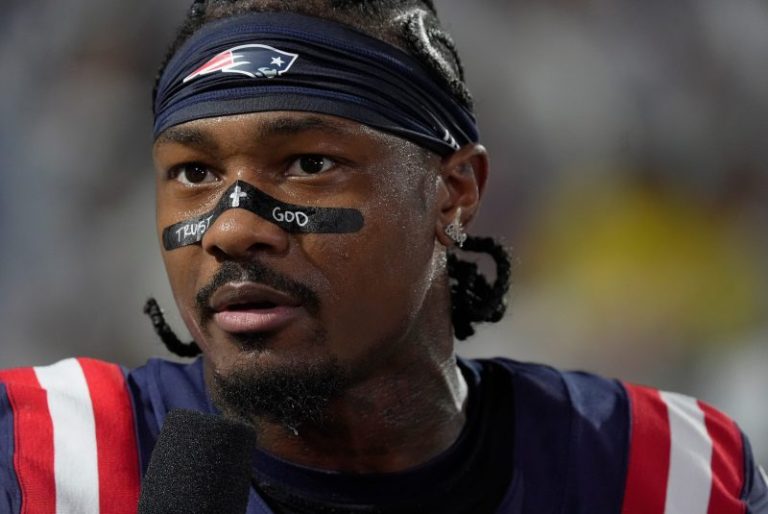
The NFC South will take center stage Dec. 21 as the Tampa Bay Buccaneers and Carolina Panthers meet in the first of two matchups over the next three weeks that should determine the division’s winner and lone playoff participant. The Buffalo Bills, Jacksonville Jaguars, LA Chargers and New England Patriots, who play the Baltimore Ravens on ‘Sunday Night Football,’ will all attempt to clinch playoff berths Sunday.

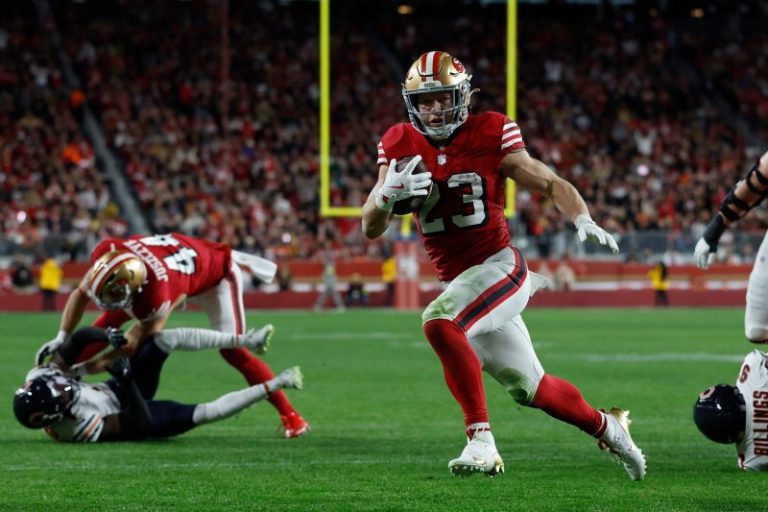
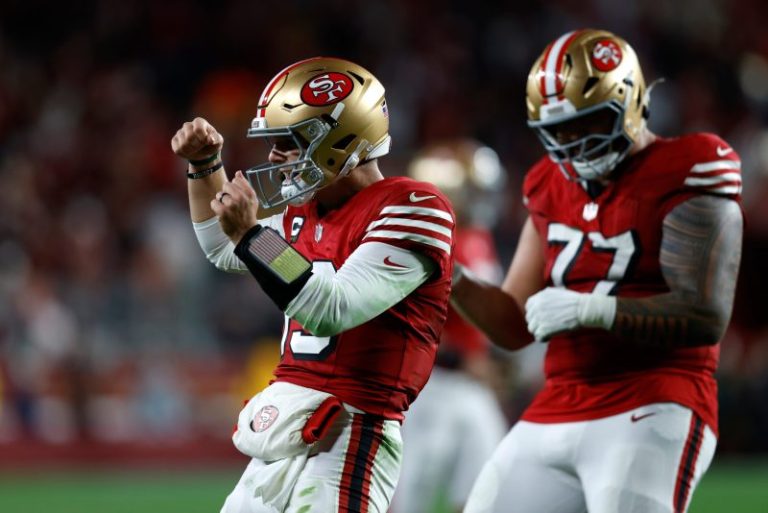
Monday night, the San Francisco 49ers could also punch their playoff ticket, though the focus of their nationally televised game is certain to be on Indianapolis Colts QB Philip Rivers’ first game at Lucas Oil Stadium in five years.

Got all of that, folks? Enjoy this pre-Holiday smorgasbord as USA TODAY Sports’ panel of NFL experts shares its outlook for the Week 16 rundown:

(Odds provided by BetMGM)

Week 16 picks, predictions, odds

Rams at Seahawks
Eagles at Commanders
Packers at Bears
Chiefs at Titans
Vikings at Giants
Buccaneers at Panthers
Jets at Saints
Chargers at Cowboys
Bills at Browns
Bengals at Dolphins
Falcons at Cardinals
Jaguars at Broncos
Steelers at Lions
Raiders at Texans
Patriots at Ravens
49ers at Colts

This post appeared first on USA TODAY

No. 1 seed Pittsburgh women’s volleyball will face off against No. 3 seed Texas A&M at the 2025 NCAA volleyball national semifinals on Thursday at T-Mobile Center in Kansas City, Missouri.

Texas A&M upset No. 1 overall seed Nebraska in a thrilling five-set match to advance to the Final Four for the first time in program history, while Pitt is set to make its fifth straight Final Four appearance after dropping only one set throughout the NCAA tournament.

Neither Pitt nor Texas A&M has won a national title or made a national championship appearance in program history. One team will break through on Thursday. Follow along as USA TODAY Sports provides live updates:

NCAA VOLLEYBALL FINAL FOUR: Schedule, scores, highlights

When is Pittsburgh vs. Texas A&M volleyball?

No. 1 Pitt (30-4) faces No. 3 Texas A&M (27-4) on Thursday, Dec. 18 at 6:30 p.m. ET at the T-Mobile Center in Kansas City, Missouri.

Pittsburgh vs. Texas A&M volleyball: Channel, streaming

Date: Thursday, Dec. 18
Time: 6:30 p.m ET (5:30 p.m. CT)
Location: T-Mobile Center (Kansas City, Missouri)
Channel: ESPN
Stream: ESPN, Fubo

Pittsburgh Panthers starting lineup

Head coach: Dan Fisher

3 Emery Dupes | L/DS 5-6 – Redshirt Senior
5 Olivia Babcock | RS 6-4 – Junior
8 Blaire Bayless | OH 6-2 – Junior
10 Marina Pezelj | OH 6-1 – Freshman
13 Mallorie Meyer | L/DS 5-7 – Sophomore
17 Brook Mosher | S 6-0 – Redshirt Senior
20 Abbey Emch | MB 6-4 – Freshman
21 Bre Kelley | MB 6-4 – Redshirt Senior

The USA TODAY app gets you to the heart of the news — fastDownload for award-winning coverage, crosswords, audio storytelling, the eNewspaper and more.

This post appeared first on USA TODAY

Former NASCAR driver Greg Biffle and his family died in a plane crash in North Carolina.
Biffle was a decorated driver, winning championships in NASCAR’s second and third-tier series.
He won 19 races and was a runner-up for the Cup Series championship in 2005.
Known as ‘the Biff,’ he was named one of NASCAR’s 75 greatest drivers in 2023.

NASCAR lost of one its most decorated and beloved drivers Dec. 18. Greg Biffle, his wife and two children were among those who died in a plane crash in Statesville, North Carolina.

The 55-year-old Biffle and his family were in a Cessna C550 which crashed about 10:15 a.m. local time during landing at Statesville Regional Airport north of Charlotte. Members of the Biffle family confirmed the loss in a joint statement.

Biffle spent nearly two decades at the highest level of stock car racing in the U.S. A native of Vancouver, Washington, Biffle started like many of the best drivers of his day by racing in regional stock car series. He got his big break in the NASCAR Winter Heat Series, a stock car racing series in the 1990s that showcased late model racing during the offseason for NASCAR’s top series.

Biffle won the inaugural championship in the 1995-1996 season and caught the eye of Jack Roush, owner of Roush Racing (now RFK Racing).

Roush brought Biffle on to his team in NASCAR’s third tier of racing, the Gander RV & Outdoors Truck Series (now the Craftsman Truck Series). Biffle earned Rookie of the Year honors in 1998 despite not winning a race. He took a record four pole positions out of 27 races.

That was the start of a long and storied career for the man known as ‘the Biff.’ Here are some of the top highlights:

Greg Biffle career highlights

2000: First NASCAR championship

Biffle repaid Roush’s faith in him with the team owner’s first championship in the third-tier series. Biffle won five races with 18 top-10 finishes, including fifth in Fontana to secure the title. He won that year’s championship over future Cup Series champion Kurt Busch.

2002: Historic second championship

Roush Racing didn’t waste time promoting Biffle up the ranks. The team brought him up a level to NASCAR’s second tier in 2001 following his title victory.

As he did in the third tier, Biffle won Rookie of the Year honors ahead of a title-winning season. He overcame a slow start to win four races and finish in the top 10 in nine of the last 11 races and secure the championship. In doing so, Biffle became the first driver to win a championship in both NASCAR’s third- and second-tier series.

2003: A thrilling first Cup Series win

Daytona International Speedway is a place in which every NASCAR driver wants to win. It’s an iconic place to get your first Cup Series victory – as a rookie, no less.

Biffle did so in 2003 in an unusual race at Daytona. It was marked by just two yellow periods for a total of 10 laps; a remarkably clean race considering the high speeds at the superspeedway. Biffle notched the upset win for Roush Racing after leader Bobby Labonte ran out of gas in the closing stage of the race.

2005: Cup Series contender

This time it took Biffle two years to truly get up to speed in a new series. The 2005 season featured a dominant campaign by Tony Stewart, but Biffle was his closest competitor. He was an early favorite thanks to five wins by the halfway point in the season. Stewart pulled away down the stretch but won the title by just 35 points over Biffle.

2013: A final Cup Series victory

Almost a decade on from his near-title campaign in 2005, Biffle hadn’t made good on the promise from that runner-up finish. He had the unfortunate timing of reaching the top level of NASCAR racing just as one of the best drivers of all time, Jimmie Johnson, did the same.

Biffle continued to be a fixture at the top of the standings but never won that elusive Cup Series championship. The 2013 featured his final Cup Series win of his career at Michigan in the Quicken Loans 400.

He’d race another three years in the Cup Series and make a few spot appearances after that.

When he called it a career, Biffle had notched 515 Cup Series races over 16 years. He’d earned 19 wins, 13 pole positions and 175 top-10 results. That earned him the honor of being named one of NASCAR’s 75 greatest drivers ever in 2023.

A popular paddock figure

In addition to his prolific performances on the track, a theme throughout Biffle’s career was how well-liked he was across the paddock when his helmet was off.

The now-defunct NASCAR Northwest Series named him the Most Popular Driver in 1997, an honor he’d receive in the Craftsman Truck Series in 2000 and the Busch Series in 2002.

This post appeared first on USA TODAY

The only way to attack this stupidity is with reality. 

If Oregon were playing James Madison in September, and Mississippi were playing Tulane at the same time, we’d call them body-bag games. 

Show up as the low-tier fodder you’re paid to be, take your $1 million check (or more) and return home with an ugly loss.

Instead it’s December, and 12 people who were simply following equally stupid rules, made them College Football Playoff games. 

Seriously, what are we doing here?

Instead of a CFP first-round weekend of Texas at Oregon, and Notre Dame at Ole Miss, we get charity games. Everyone gets a trophy, baby. 

How absolutely preposterous can this be? 

College football has never been more front of mind in the American sports culture, an explosion of popularity unlike anything we’ve seen this side of the NFL. Through all its unintended problems over the past four years of paradigm change, the sport has only gotten stronger. 

It’s damn-near bulletproof. 

And here we are, at the showcase moment of the season, are we’re still allowing stragglers to disrupt and damage the way college football determines a national champion. 

It’s bad enough the postseason is run through a CFP selection committee of inherently biased personalities (see: former coaches, and current athletic directors). It’s worse that the committee is given archaic guidelines counterproductive to the health and growth of the sport.

At the top of the list: a guaranteed spot for at least one Group of Five champion. This season, there are two — because 12 people on that committee actually looked at ACC champion Duke and James Madison and thought, yeah, let’s go with another Group of Five team.

Only in college football can you be penalized for playing at the elite level of the sport, and rewarded for playing in the low-rent district. It makes zero sense until you realize who’s running this thing. 

The same fine folks who were willing to spend tens of millions in legal fees in an attempt to keep money from players, who were willing to eat one of their own (the Pac-12) in a blatant money grab to supplement the cash they knew they’d lose in the legal battle with players, are the same people who gave us this monumental joke of a “playoff.”

That would be the presidents and chancellors of the power conferences, who send walking orders to the conference commissioners, who then try to explain the nonsensical ideas to you, the consumer — who spend millions upon millions to be part of the annual four-month, white-knuckle escape from their daily lives.

The very least those presidents and chancellors can do is give consumers a postseason that’s worthy of the regular season. And that’s the key to this utterly comical way of determining a champion. 

The best 12 teams — however they are determined — won’t be suiting up for the CFP. But why?

If the presidents and chancellors are willing to take players to the mat in a legal fight, they surely aren’t concerned about the Group of Five schools threatening legal action. 

If the presidents and chancellors can’t convince Congress to get involved to fix the unbridled free agency in the sport, they can’t be concerned that the most dysfunctional body on the planet will get involved if the Group of Five is told you have to be ranked in the top 12 to earn a spot in the playoff.  

If the presidents and chancellors aren’t concerned about the public relations disaster of players and coaches changing teams annually picking away at the integrity of the game, they surely won’t care about public trust when Group of Five loyalists start whining about access. 

You want access? Be one of the best 12 teams in the sport, according to the selection committee. Or however they decide to rank the teams moving forward. 

Because right now, we have two Group of Five teams — both of which have coaches who have already taken jobs with power conference teams — on the verge of getting their doors blown off in what should be college football’s marquee moment. 

The only way to attack stupidity is with reality. 

And end this charity program beginning next season.

This post appeared first on USA TODAY

Editor’s Note: While the official weigh-in ended, all boxers will be present at the live-streamed event at 6 p.m. ET. Here is how to watch with updates.

It’s nearly time to see if size matters as it pertains to Jake Paul taking on Goliath boxer Anthony Joshua. The weigh-ins for the Friday Netflix fight card took place Thursday, Dec. 18.

Size is one of the myriad storylines surrounding the bout that came together after the cancellation of Jake Paul vs. Tank Davis.

While the live-streamed event will take place later this evening at 6 p.m. ET, the media were allowed to view the official weigh-in this morning. So we do have some closure on the size of the main event participants.

Joshua comes into the ring bearing a clear height advantage, 6-6 to Paul’s more diminutive 6-1 frame. As for weight, the two-time heavyweight champion came in at 243.4 pounds, while Paul, expected to weigh closer to 220, tipped the scales at 216.

We will get an official glance at the discrepancy soon as the official weigh-in commences. USA TODAY Sports will have full coverage of the event.

Jake Paul vs. Anthony Joshua weigh-in live: Time, stream, how to watch

Jake Paul and Anthony Joshua will square off in a long-awaited weigh-in event that takes place ahead of Friday’s main event bout on Netflix. Here is how to watch Thursday’s presentation:

Date: Thursday, Dec. 18
Time: 6 p.m. ET/3 p.m. PT
Channel: Will not be available on TV
Streaming: MVP’s YouTube Channel andNetflix Sports’ YouTube Channel

Jake Paul weight

Though the televised weigh-in won’t come until later Thursday, Jake Paul and Anthony Joshua officially stepped on the scale in front of select media just before lunchtime.

Paul came in at 216 pounds.

Anthony Joshua weight:

After a bit of a wait, Anthony Joshua came in at 243.4, which means we indeed have a fight. The target for the two-time champ was 245, so good on him to stave off the holiday calories.

Jake Paul vs Anthony Joshua full card weigh-in results:

Here is a breakdown of the full card.

Heavyweight: Jake Paul (216) vs. Anthony Joshua (243.4)
Super-featherweight: Alycia Baumgardner (c) (129.2) vs. Leila Beaudoin (130)
195-pound catchweight: Anderson Silva (191.4) vs. Tyron Woodley (194)
Bantamweight: Cherneka Johnson (c) (117) vs. Amanda Galle (117.4)
Lightweight: Caroline Dubois (c) (134.2) vs. Camilla Panatta (134.2)
Strawweight: Yokasta Valle (c) (104.8) vs. Yadira Bustillos (104.6)
Welterweight: Avious Griffin (146.4) vs. Justin Cardona (145.6)
Cruiserweight: Keno Marley (198.6) vs. Diarra Davis Jr. (188.4)
Jahmal Harvey (129.6) vs Kevin Cervantes (130.6)

Can I watch the Jake Paul vs Anthony Joshua weigh-in live?

Yes.

The official weigh-in took place Thursday morning. However, there is a second live weigh-in at 6 p.m. ET, which will be available via streaming across MVP’s YouTube Channel andNetflix Sports’ YouTube Channel.

Jake Paul vs Anthony Joshua fight card

Most Valuable Promotions has put together an impressive fight card that includes four women’s championship bouts. Here’s what it looks like:

Main event: Jake Paul vs. Anthony Joshua: Heavyweight
Co-main event: Anderson Silva vs. Tyron Woodley: 6-Round Cruiserweight at 195 lbs
Alycia Baumgardner vs. Leila Beaudoin: Unified Super Featherweight World Champion bout
Cherneka Johnson vs. Amanda Galle: Undisputed Bantamweight World Champion bout
Caroline Dubois vs. Camila Panatta: WBC Lightweight World Champion bout
Yokasta Valle vs. Yadira Bustillos: WBC Strawweight World Champion bout
Avious Griffin vs. Justin Cardona: Welterweight
Keno Marley vs. Diarra Davis Jr.: Cruiserweight

This post appeared first on USA TODAY

North Carolina State University defender Nikola Markovic was the first pick by D.C. United in the 2026 MLS SuperDraft on Thursday, Dec. 18.

This is the third time that D.C. United has made the No. 1 overall pick in the MLS SuperDraft. The previous No. 1 picks were Freddy Adu in 2004 and Alecko Eskandarian in 2003. D.C. United went on to win MLS Cup in 2004, the last league title for D.C.

Markovic – the first No. 1 overall MLS draft pick from N.C. State – helped the Wolfpack reach its second-ever College Cup, where N.C. State was defeated by Washington, 3-2, on an overtime golden goal in the championship game. Markovic earned first-team All-America honors in 2025, becoming NC State’s first first-team selection since 1992.

After D.C. United’s selection of Markovic, FC Dallas used the next two picks on Georgia Southern forward Ricky Louis and Virginia forward Nicholas Simmonds. Clemson midfielder Kwaku Agyabeng went No. 4 overall to Sporting Kansas City, while Orlando City made Wake Forest forward Harvey Sarajian the No. 5 selection.

There were three rounds and 90 total selections in the 2026 MLS SuperDraft. Here is a recap of all of the selections:

2026 MLS SuperDraft first-round picks

D.C. United — Nikola Markovic, defender, NC State
FC Dallas (from Atlanta United) — Ricky Louis, forward, Georgia Southern
FC Dallas (from CF Montreal) — Nicholas Simmonds, forward, Virginia
Sporting Kansas City — Kwaku Agyabeng, midfielder, Clemson
Orlando City (from LA Galaxy) — Harvey Sarajian, forward, Wake Forest
Colorado Rapids (from Toronto FC) — Mamadou Billo Diop, forward, Colorado Rapids 2
St. Louis City SC — Zack Lillington, defender, UC Davis
D.C. United (from New England Revolution) —Richie Aman, forward, Washington
Orlando City (from Houston Dynamo) — Nolan Miller, defender, Michigan
Colorado Rapids — Mitchell Baker, forward, Georgetown
Houston Dynamo (from San Jose Earthquakes) — Joe Highfield, forward, Portland
Atlanta United (from Red Bull New York through FC Dallas) — Enzo Dovlo, defender, UNC Greensboro
Real Salt Lake — Lukas Magnason, defender, Clemson
Orlando City — Jaylen Yearwood, defender, North Florida
Portland Timbers — Justin McLean, forward, NC State
FC Dallas — Niklas Herceg, goalkeeper, Vermont
Vancouver Whitecaps FC (from Austin FC) — Zach Ramsey, midfielder, Washington
Chicago Fire FC — Jack Sandmeyer, midfielder, North Carolina
Sporting Kansas City (from Columbus Crew through Colorado Rapids) — Nikos Clarke-Tosczak, defender, Portland
Orlando City (from Nashville SC) — Issah Haruna, midfielder, UNC Greensboro
Red Bull New York (from Seattle Sounders through FC Dallas) — Tomas Hut, goalkeeper, Syracuse
Charlotte FC — Will Cleary, defender, Stanford
Minnesota United FC — Jaylinn Mitchell, forward, SMU
Los Angeles FC — Giuliano Fravolini Whitchurch, defender, Princeton
Real Salt Lake (from FC Cincinnati) — Dylan Kropp, defender, North Carolina
Colorado Rapids (from Philadelphia Union) — Wahabu Musah, forward, Clemson
New York City FC — Ransford Gyan, forward, Clemson
San Diego FC — Martin Luala, M, Grand Canyon
Vancouver Whitecaps FC — Daniel Lugo, forward, High Point
Inter Miami CF — Abdel Talabi, defender, Bryant

2026 MLS SuperDraft second-round picks

D.C. United — Isaac Emojong, midfielder, Utah Valley
Inter Miami CF (from Atlanta United) — Kenan Hot, midfielder, Duke
Real Salt Lake (from CF Montreal) — Tre Wright, defender, UCLA
Sporting Kansas City — Sadam Masereka, forward, Maryland
LA Galaxy — Palmer Bank, defender, Stanford
Toronto FC — Jackson Gilman, defender, Pittsburgh
St. Louis City SC — Andrew Samuels, goalkeeper, Princeton
New England Revolution — Schinieder Mimy, defender, UCLA
Houston Dynamo FC — Calem Tommy, defender, NC State
FC Dallas (from Colorado Rapids) — Edouard Nys, midfielder, Illinois Chicago
San Jose Earthquakes — Jack Jasinski, defender, Princeton
Real Salt Lake (from Red Bull New York) — Jefferson Amaya, midfielder, High Point
St. Louis City SC (from Real Salt Lake through Orlando City) — Cooper Forcelini, midfielder, Xavier
FC Dallas (from Orlando City through Sporting Kansas City and Colorado Rapids) — Umberto Pela, midfielder, Virginia
Portland Timbers — Colin Griffith, forward, Maryland
CF Montréal (from FC Dallas) — Aidan Godinho, midfielder, Georgetown
Austin FC — Stefan Dobrijevic, forward, Akron
Real Salt Lake (from Chicago Fire) — Niklas Soerensen, defender, Pittsburgh
Columbus Crew — Tarun Karumanchi, midfielder, UCLA
Nashville SC — Max Miller, defender, Kentucky
Seattle Sounders FC — Joe Dale, midfielder, Washington
Charlotte FC — Luke Adams, defender, Tulsa
Minnesota United FC — Bardia Hormozi, forward, Princeton
Inter Miami CF (from Los Angeles FC) — Mamadi Jiana, forward, Bryant
FC Cincinnati — Ayoub Lajhar, defender, UConn
Colorado Rapids (from Philadelphia Union) — Asher Hestad, defender, Washington
New York City FC — Kevin Pierre, midfielder, Georgia Southern
San Diego FC — Remi Agunbiade, forward, Akron
Vancouver Whitecaps FC — Yeider Zuluaga, forward, Seattle
Inter Miami CF — Alex Barger, defender, Indiana

2026 MLS SuperDraft third-round picks

D.C. United — Stephane Njike, forward, Maryland
Atlanta United — Noah James, midfielder, San Diego
CF Montréal — Tate Lorentz, midfielder, Wake Forest
Sporting Kansas City — Blake D’Agostino, forward, California Baptist
LA Galaxy — Sebastian Conlon, goalkeeper, Kentucky
FC Dallas (from MTL, from Toronto FC) — Olayinka Ogunleye, defender, Louisville
Minnesota United FC (from St. Louis City SC) — Aiden Bengard, defender, Cal State-Fullerton
New England Revolution — Kyle McGowan, forward, Denver
Houston Dynamo FC — Agustin Resch, defender, Seton Hall
Colorado Rapids — Koven Johnson, midfielder, High Point
New York City FC (from San Jose Earthquakes) — Joey Mueller, midfielder, UCF
LA Galaxy (from Red Bull New York) — Jaime Amaro, midfielder, Bryant
Real Salt Lake — Brayden Beason, forward, San Diego
Orlando City — Mitch Ferguson, defender, Notre Dame
Portland Timbers — Lucas Fernandez Kim, midfielder, Oregon State
San Diego FC (from FC Dallas) — Kyle Durham, goalkeeper, UConn
Austin FC — Patrick Cayelli, midfielder, Pennsylvania
Houston Dynamo FC (from Chicago Fire) — Austin Brummett, forward, UConn
Columbus Crew — Isaac Heffess, defender, NC State
Nashville SC — Charles-Emile Brunet, midfielder, SMU
Seattle Sounders FC — Stockton Short, goalkeeper, Utah Tech
Charlotte FC — Jahiem Wickham, goalkeeper, South Florida
Minnesota United FC — Michal Mroz, goalkeeper, Evansville
Los Angeles FC — Iain Wagner, midfielder, San Diego
D.C. United (from FC Cincinnati) — Lasse Kelp, defender, Maryland
Colorado Rapids (from Philadelphia Union) — Jabari De Coteau, defender, Xavier
New York City FC — Luca Nikolai, defender, North Carolina
Houston Dynamo FC (from San Diego FC) — Gilberto Rivera, midfielder, San Jose State
Vancouver Whitecaps FC — Connor Lofy, midfielder, Washington
Inter Miami CF — Maximilian Kissel, forward, Vermont

USA TODAY Sports’ 48-page special edition commemorates 30 years of Major League Soccer, from its best players to key milestones and championship dynasties to what exciting steps are next with the World Cup ahead. Order your copy today!

This post appeared first on USA TODAY

Minnesota Timberwolves’ legend Kevin Garnett has been retired from the NBA for nearly a decade at this point. Now, he’s returning to the Timberwolves in a front office role. According to ESPN, the role will encompass business, community and ‘fan-engagement efforts,’ as well as having a small focus on content development.

This move might come as a bit of a surprise to NBA fans. After all, Garnett had stayed far away from the Timberwolves since his retirement due to disagreements with former team owner Glen Taylor. However, the relationship between Garnett and the T-Wolves has seemingly been mended thanks to new owners Alex Rodriguez and Marc Lore.

The decision to add Garnett to the Timberwolves’ front office follows the commitment that Rodriguez and Lore swore buy when they bought the team in 2021, focusing on strengthening the organization’s culture and improving its relationship with fan-favorite players and staffers who’d since departed.

Will Garnett’s number finally be retired?

Despite his incredible success and popularity with the Timberwolves during his career, Garnett’s No. 21 jersey had yet to be retired by the organization because Garnett refused to have his jersey retired while Glen Taylor still owned the team.

With that no longer being the case, ESPN reports that Garnett’s jersey retirement should take place within the next two NBA seasons.

Garnett’s career with the Timberwolves

Garnett spent the first 14 seasons of his career with Minnesota, garnering 10 of his 15 career All-Star nods with the Timberwolves before joining the Boston Celtics in 2007.

In his final four years with Minnesota (2004-2007), Garnett led the NBA in rebounds per game every year, and was named league MVP in 2004. He was also named First-Team All-Defense six straight years (2000-2005).

Most notably, Garnett made the Timberwolves contenders, leading the team to the postseason in eight straight seasons from 1997 to 2004. He left the T-Wolves as the team’s all-time leader in points, rebounds, assists, steals and blocks.

This post appeared first on USA TODAY

The U.S. men’s and women’s national soccer teams will equally share 80% of the prize money earned at the 2026 and 2027 World Cups.
FIFA announced a record $655 million prize pool for the 2026 men’s World Cup, a nearly 50% increase from 2022.
U.S. Soccer is the only federation in the world that splits FIFA prize money equally between its men’s and women’s teams.

This week, FIFA released prize money figures for the 2026 World Cup, and the record-setting $655 million pool for the men’s tournament is also significant for the U.S. women’s national team.

Why? Because they’ll get a cut of whatever prize money the U.S. men earn this summer.

The collective bargaining agreement between the U.S. Soccer Federation and the women’s national team (USWNT), signed in 2022 and effective through 2028, requires that the U.S. men’s and women’s teams pool and equally share 80% of the prize money earned by each team at the 2026 World Cup and the 2027 World Cup.

In addition to awarding guaranteed participation payments to each team that qualifies for the World Cup, FIFA distributes prize money to teams based on how far they advance in the tournament.

For example, if the U.S. men advance to the round of 16 at this summer’s World Cup, a tournament the U.S. is co-hosting with Canada and Mexico, they will earn at least $15 million in prize money. After allotting 20% of that to U.S. Soccer, the national governing body, the men’s and women’s teams will each get at least $6 million.

The catch is that since this summer’s tournament expanded the field from 32 teams to 48 teams, teams must win one more game to get into the round of 16.

The announced prize money for 2026 represents a nearly 50% increase from the men’s 2022 World Cup and is nearly six times the $110 million total pot from the 2023 women’s World Cup. It could also have ramifications for the women’s 2027 World Cup in Brazil.

Will FIFA award equal prize money for the 2027 women’s World Cup?

In 2023, FIFA president Gianni Infantino said his goal was to offer equal prize money for the men’s and women’s World Cups by 2027.

FIFA has not addressed the issue since then and has not yet announced the pot for the 2027 women’s tournament.

In his comments to FIFA Congress two years ago, Infantino called on broadcasters and commercial partners to ‘do more’ to help the sport’s international governing body offer equal pay – despite the fact that 2023 was the first time the women’s World Cup was sold to broadcasters as a standalone tournament after FIFA previously offered it as a free add-on to the broadcasting rights for the men’s tournament.

‘Our ambition is to have equality in payments for the 2026 Men’s and 2027 Women’s World Cup,’ Infantino said. ‘This is the objective that we set to ourselves. FIFA is stepping up with actions, not just with words. But unfortunately this is not the case of everyone across the industry. Broadcasters and sponsors have to do more. FIFA is receiving between 10 and 100 times inferior offers for the Women’s World Cup. These same public broadcasters, who are paid by taxpayers’ money, they criticise FIFA for not guaranteeing equal pay to men and women. You pay us 100 times less, whereby your viewing figures are very similar.’

The prize money for the 2023 women’s World Cup in Australia and New Zealand increased 300% from the 2019 tournament, which offered a $30 million pot. Still, during the last World Cup cycle there remained a sizable gap in prize money between the men’s and women’s tournaments.

The USWNT, winners of four World Cups and five Olympic gold medals, are historically more successful than their male counterparts, who have never won the World Cup or the Olympics. But the $4 million prize the USWNT received for winning the 2019 World Cup is less than what the U.S. men earned for their round-of-16 elimination in 2022 ($13 million).

Even though FIFA prize money is unequal, U.S. Soccer is the only federation in the world to split that money equally between its men’s and women’s national teams.

The U.S. Soccer collective bargaining agreements first implemented equal FIFA prize money distribution for the 2022 and 2023 World Cups, when 90% of the total prize money won by the respective U.S. teams at those tournaments was split equally between them. Both teams reached the round of 16 and were eliminated there; the USMNT earned $13 million and the USWNT earned $1.9 million, so each team got about $6.7 million.

This post appeared first on USA TODAY

This is the USA TODAY Sports NFL newsletter, 4th and Monday. If this newsletter isn’t already getting conveniently delivered to your inbox, click here to subscribe. USA TODAY Sports is now on Bluesky! Give us a follow for more of our NFL content.

Welcome to Week 16 in the NFL! The race to the playoffs is narrowing down. Two teams have clinched postseason berths – the Denver Broncos and Los Angeles Rams – and nine other teams have clinching scenarios this weekend. Thirteen teams have been eliminated from contention … better luck next year!

Before discussing the weekend’s biggest matchups, we’ve lined up some essentials:

Week 16 picks from USA TODAY Sports’ NFL experts
Playoff picture and clinching scenarios for Week 16
It’s fantasy football playoff time! Do you need lineup advice?
Point spreads for every Week 16 game

➤ On tap for Thursday night: Los Angeles Rams at Seattle Seahawks — This isn’t just the best ‘Thursday Night Football’ matchup of 2025, but might be the biggest game of the season so far. The Rams (11-3) currently have the inside track for the NFC’s top seed and home-field advantage throughout the playoffs. The Seahawks (also 11-3) only trail the Rams in the standings due to Los Angeles’ win over Seattle in Week 11. This one is also huge for the San Francisco 49ers (10-4), who also have a shot at winning the division. Also paying close attention: the Chicago Bears (10-4). So much is at stake!

➤ Game of the week: Jacksonville Jaguars at Denver Broncos — The AFC South-leading Jaguars (10-4) visit the AFC West-leading Broncos (12-2) in a potential AFC championship game preview. Well, maybe the Buffalo Bills or New England Patriots, or even the Houston Texans or Los Angeles Chargers, might have something to say about that. Anyway, this is a big one in terms of AFC playoff seeding, with both teams coming in hot; the Broncos are riding an 11-game win streak and the Jaguars have won five in a row.

Just going to rank some games I’m interested in watching without giving much context:

Green Bay Packers at Chicago Bears
Tampa Bay Buccaneers at Carolina Panthers
Pittsburgh Steelers at Detroit Lions
San Francisco 49ers at Indianapolis Colts
New England Patriots at Baltimore Ravens

The 212th meeting between the Bears and Packers lost a lot of luster when Green Bay suffered a myriad of key injuries in last week’s loss in Denver, most notably to star pass rusher Micah Parsons. The Buccaneers and Panthers – both entering Week 16 with identical 7-7 records – face off twice in the season’s final three weeks. A 44-year-old grandpa quarterback, Philip Rivers, against the 49ers on ‘Monday Night Football’? Yes, please!

TNF BETTING LOCK

Jaxon Smith-Njigba 100-plus yards receiving (+110). Smith-Njigba is having a career year – leading the NFL with a career-high 1,541 receiving yards – and we’re expecting his season-long success to continue against the Rams. In the two teams’ meeting in Week 11, Smith-Njigba had 105 yards receiving. Playing in the friendly confines of Lumen Field can only help his chances of matching that yardage total.

*Odds per BetMGM (as of publication; odds subject to change)

ONE BOLD PREDICTION

The Bears will steamroll the Packers. Coming off an absolutely demoralizing loss in Denver will be tough enough, but the Packers must turn around and get amped up for a second showdown in three weeks against their longtime rival. The Bears rebounded nicely from their Week 14 loss in Green Bay to trounce a hapless Cleveland Browns team. Soldier Field will be rocking for this Saturday night showdown. We’ve already predicted that the Bears will win the NFC North in this space, and a win Saturday gives Chicago the inside track in the division with two games to play.

HOT READS

The best NFL reads from USA TODAY and our Sports Network:

The Rams and Seahawks meet on ‘Thursday Night Football.’ They also are one-two in the latest power rankings.

Tua Tagovailoa has been benched in favor of rookie Quinn Ewers. So, what’s next for player and team? Should the Dolphins cut bait on the quarterback? Not so fast, writes Nate Davis. There are three key factors that complicate the Tua situation in South Florida. All that ‘Tank for Tua’ stuff from 2019 seems really silly now. You know what else is silly? Fans rooting for their teams to lose games in order to get a better draft position. The state of affairs with Tua in Miami is a good reminder of that.

Now that longtime playoff nemesis Kansas City has been eliminated from the playoffs, the Bills – who have been eliminated by the Chiefs from the playoffs four times since 2020 – see a clearer path to the Super Bowl, Jarrett Bell writes.

A reimagining is due in Kansas City with the Chiefs missing the playoffs for the first time since 2014. Nate Davis presents a seven-step plan for the team to restore itself to championship relevance a year from now.

Despite being a Heisman Trophy finalist, Diego Pavia’s NFL draft prospects weren’t strong (not to mention he’s older than current NFL starters Drake Maye, J.J. McCarthy, Cam Ward and Jaxson Dart). The Vanderbilt QB had the profile of a late-round pick or undrafted free agent. Then, the Heisman ceremony happened and Pavia committed a massive unforced error. Ripping Heisman voters and then posting a social media video from the club flipping off a sign that read ‘(expletive) Indiana’ won’t exactly endear him to NFL teams. Michael Middlehurst-Schwartz writes that the blowback only hurts Pavia’s delicate draft situation.

This week, Netflix revealed that Snoop Dogg will perform during halftime of the Lions-Vikings game on Christmas Day.

FANTASY ESSENTIALS

If you’ve made it this far in your fantasy football playoffs: Congrats! Optimize those lineups to continue the championship chase …

Week 16 Start ‘Em, Sit ‘Em: Quarterbacks | Running backs | Wide receivers | Tight ends

RACE FOR NO. 1 PICK IN 2026 DRAFT

Here is a look at which teams hold top-10 picks in the 2026 NFL Draft going into Week 16:

New York Giants (2-12)
Las Vegas Raiders (2-12)
Tennessee Titans (2-12)
Cleveland Browns (3-11)
New York Jets (3-11)
Arizona Cardinals (3-11)
Washington Commanders (4-10)
New Orleans Saints (4-10)
Cincinnati Bengals (4-10)
Los Angeles Rams (from Atlanta Falcons, 5-9)

ON THIS DAY IN NFL HISTORY

93 years ago today, on Dec. 18, 1932, the NFL held its first playoff game. It was weird.

A first-place tie between the Portsmouth Spartans and Chicago Bears necessitated a one-game playoff to determine the league champion – in the 12 years prior, the NFL title-winner was decided based on best regular-season record. Sometimes that led to controversies that continue to this day.

In 1932, the Spartans (a franchise that would become the Detroit Lions in 1934) and Bears each finished with six wins and one loss (the Spartans had four ties; the Bears had six. Yes, six!). The two teams had squared off twice during the season, but those games ended in (you guessed it!) ties. The 1932 league championship was to be determined on the field. And that’s where the tale of the first NFL playoff game goes sideways.

The game was originally scheduled to be played at Wrigley Field. However, a blizzard forced the game indoors at Chicago Stadium. Yes, Chicago Stadium, an arena that was home to the NHL’s Chicago Blackhawks (and eventually the NBA’s Chicago Bulls). The 1932 championship tilt was the first NFL game (that counted) played indoors. Basically, the first NFL championship game was played inside an ice hockey rink. Special rules were put into place for a game that would be played on a field that only had 60 yards between goal lines and was 45 yards wide. Just look at this setup!

The Bears won the game, 9-0. The game’s lone touchdown came on a Bronko Nagurski pass to Red Grange, which the Spartans argued was not thrown from at least 5 yards behind the line of scrimmage, as the rules of the time dictated. The disputed score stood. A new passing rule set in 1933 and enjoyed to this day would forever change the game: the forward pass would be legal from any point behind the line of scrimmage.

This game also featured the sorta-kinda use of hash marks (the ball was placed so it wouldn’t be too close to the hockey boards). The next season, the NFL officially would adopt hash marks, ending an era (going back six decades if you count the college game) in which the ball was placed where the previous play ended.

In 1933, the NFL divided its teams into two divisions and began hosting official championship games. Those games would evolve into what football fans know today as the Super Bowl.

The extemporaneous 1932 playoff manifested an updated forward pass rule, hash marks, divisions and an annual championship game, thus making it one of the seminal moments in NFL history.

If you enjoy reading 4th and Monday , encourage your football fan friends to subscribe . Follow the writer of this newsletter on social media @jimreineking and drop a line if you want to talk some football

This post appeared first on USA TODAY

The International Criminal Court, or ICC, is in the fight of its life. Its top prosecutor, Karim Khan, faces serious allegations of criminal misconduct, including claims of repeated sexual assault. Khan has strongly rejected the accusations, instead blaming Israel for his problems.

The ICC is scrambling for an off-ramp, one that cuts Khan loose while salvaging its long-criticized posture toward Israel and the United States. The question is: Will it work?

Khan is accused of sexually assaulting a junior ICC employee for more than a year, including on ICC premises, and then engaging in reprisals against the whistleblower and those who supported the alleged victim. A second alleged victim from a previous professional relationship with Khan has also come forward.

The ICC apparatus has slow-walked its response for more than 18 months, with Khan on paid leave since May. On Dec. 12, 2025, officials announced that the fact-finding stage of a confidential U.N. investigation was complete and that a legal analysis phase by unnamed ‘judicial experts’ would take another 30 days.

Both Khan and his alleged ICC victim support the strategy of analogizing democratic Israel to genocidal Hamas and using the ICC to pursue criminal charges against Israeli officials. Hence, Khan’s reported suggestion that his accuser — who is also Muslim — was influenced by Israeli intelligence has drawn skepticism. Reports of a Qatar-backed covert operation aimed at uncovering an Israeli link apparently found nothing.

The problem for the ICC is not only that its top international criminal lawyer is now engulfed in damaging criminal allegations, but that the institution itself has been undeniably stained.

On May 2, 2024, Khan learned that word of the allegations had circulated within the ICC. At the time, he and his staff were preparing for a trip to Israel at the end of May, following an extraordinary offer of cooperation from Jerusalem. The plan was to obtain key information for his ongoing investigation. Instead, on May 20, Khan abruptly canceled the trip and very publicly announced on CNN that he was seeking arrest warrants for Israeli Prime Minister Benjamin Netanyahu and Defense Minister Yoav Gallant.

Americans, Israelis and even ICC staff speculated about the timing, especially after the allegations became public in fall 2024.  Many observers argue that Khan has sought to cast his response to the scandal in political terms, hoping framing  Israel would circle the wagons around him.  And for a time, it appeared to work.

The alleged victim told investigators a primary reason  she did not speak up sooner. She is quoted as saying: ‘I held on for as long as I could because I didn’t want to f— up the Palestinian arrest warrants.’ It is a sickening testament to how political pressures can erode even basic human dignity.

On Nov. 17, 2025, Israel asked the ICC Appeals Chamber to disqualify Khan and void the arrest warrants against Netanyahu and Gallant. By contrast, on Dec. 10, 2025, the ICC’s own Office of Public Counsel for Victims — widely seen as preparing to distance the Court from Khan — argued that his removal should have no effect on the Israeli warrants.

The quandary the ICC faces is this: Before the Appeals Chamber sits a prosecutor running an investigation against the state of Israel  that culminated in arrest warrants based on material compiled under his supervision. And, at the same time,  he has been using Israel as a foil  to defend himself against personal allegations

Will anyone of sane mind believe that the explosive accusations against Khan and his public responses did not taint the investigation, the arrest requests or the Pre-Trial Chamber’s decision that relied upon Khan to confirm the warrants in November 2024?

As the British would say, ‘Not bloody likely.’

The Appeals Chamber’s problem goes deeper. The ICC was created in 1998 by a sharply contested vote that saw the United States, Israel and several others vote against it. The central issue: The ICC would upend the fundamental building block of international law — consent. Under the Rome Statute, the Court can assert criminal jurisdiction over nationals of states that never signed the treaty and consented to be bound.

Israel and the United States knew exactly where that would lead. And it did — Americans in Afghanistan (for starters), and Israelis from day one.

As a result, on a bipartisan basis, the United States has implemented measures to shield Americans (and allies, including Israelis) from ICC overreach. The truth is, those protections have proved inadequate, as political targeting and fallout have grown under the ICC’s expansive criminalization enterprise.

The Trump administration promised to do more. On Feb. 6, 2025, the president signed an executive order authorizing sanctions against individuals involved in ICC efforts to target Americans and allies. To date, the order has been applied to only 12 people.

New U.S. demands reportedly call for amending the Rome Statute to limit ICC authority. It’s common knowledge that the process — and the international politics — make such an amendment a nonstarter.

So the ball is only partially in the Appeals Chamber’s court. Of course, the allegations against Khan and the ICC’s halting and opaque oversight mechanisms have battered the institution’s credibility. But the real question remains: What is the United States prepared to do about it?

This post appeared first on FOX NEWS