Archive

2025

Browsing

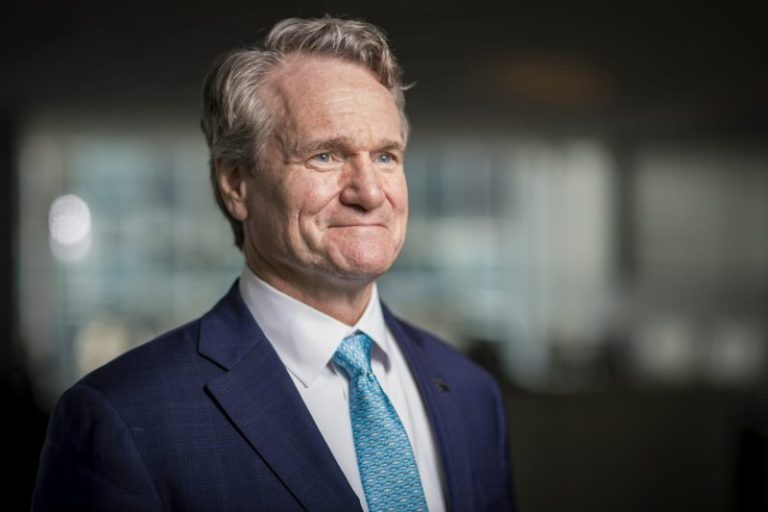
Bank of America CEO Brian Moynihan said Tuesday that the U.S. banking industry will embrace cryptocurrencies for payments if regulators allow it.

The head of the second largest U.S. bank by assets was asked by CNBC’s Andrew Ross Sorkin about how the industry’s approach to crypto could change given President Donald Trump’s enthusiasm for digital currencies.

“If the rules come in and make it a real thing that you can actually do business with, you’ll find that the banking system will come in hard on the transactional side of it,” Moynihan said in an interview at the World Economic Forum in Davos, Switzerland.

American banks have largely avoided letting customers use crypto for retail transactions, although their institutional trading and wealth management arms have participated in markets for bitcoin ETFs. Leaders in the industry, including JPMorgan Chase CEO Jamie Dimon, have lambasted bitcoin as a currency for criminals and fraudsters.

“If you go down the street here and you go in and buy lunch, right, if you can pay with Visa, Mastercard, a debit card, Apple Pay, etc, this would just be another form of payment,” Moynihan explained. “We have hundreds of patents on blockchain already, we know how to enter the field.”

The veteran Bank of America CEO didn’t address the idea of cryptocurrencies like bitcoin as an investment or store of value, saying it is “really a separate question.”

This post appeared first on NBC NEWS

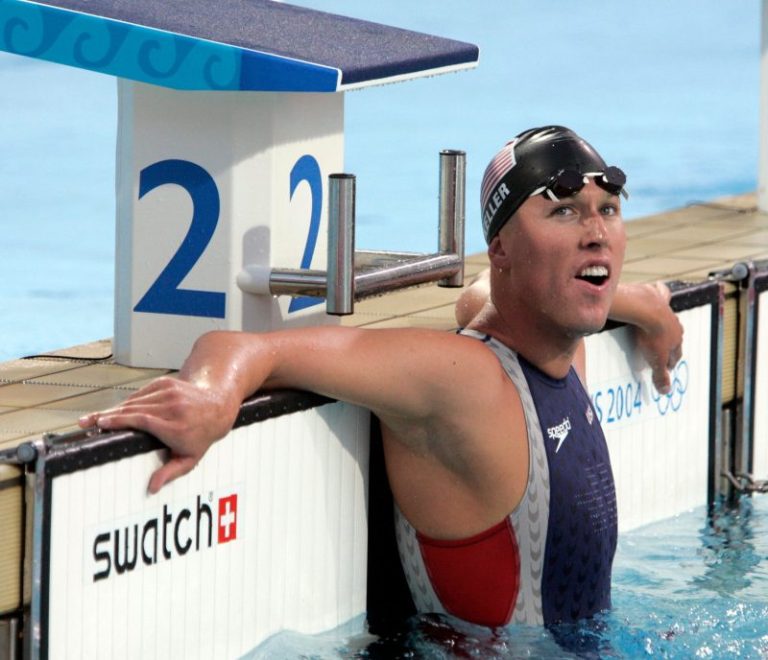
Former Olympic swimmer Klete Keller was among the most high-profile people to face criminal charges for participating in the Jan. 6 insurrection.

On Monday, he also became one of the nearly 1,600 people pardoned by incoming president Donald Trump − a moment he described to The Washington Post as ‘such an amazing feeling of relief.’

‘Waking up this morning, I was like, ‘My gosh. Wow, this is over. I don’t have to check in with my probation officer anymore,’ ‘ Keller told the newspaper Tuesday.

Keller’s pardon came a little more than a year after a D.C. judge sentenced him to six months of home confinement and 36 months probation for his role in the now-infamous riot on Jan. 6, 2021, where cameras captured the 6-foot-6 Olympian unlawfully entering the U.S. Capitol building while wearing a Team USA jacket. The five-time Olympic medalist pleaded guilty to a felony count of obstruction of an official proceeding in exchange for the dismissal of the six other non-violent charges that he had been facing.

At Keller’s sentencing hearing in December 2023, prosecutors credited him for his cooperation following the plea agreement but requested that he nevertheless be sentenced to 10 months in jail. U.S. District Court judge Richard Leon, however, allowed him to avoid jail time and instead requested that Keller, a three-time Olympian, spend his time sharing his story and expressing his remorse ‘out in the community,’ particularly with young people.

‘I think that’s a more valuable way of using your time,’ Leon said, ‘(rather) than to have you sit in some jail cell.’

Keller competed for Team USA from 2000 to 2008 and won five medals, including two on relay teams. He swam the anchor leg for the men’s 4×200-meter freestyle team that won a gold medal at the 2004 Athens Olympics alongside Michael Phelps and Ryan Lochte.

Keller, now 42, expressed regret for his actions on Jan. 6 during his sentencing hearing and reiterated those feelings to The Washington Post on Tuesday.

‘I really regret the actions I took that day. I love this country,’ Keller told the newspaper. ‘I’m just so grateful that I have the opportunity now to move forward.’

According to figures from the Justice Department, nearly 1,600 people were charged in the riot on Jan. 6, which injured 140 police officers and delayed Congress’ certification of Joe Biden’s victory in the 2020 presidential election. Trump’s own federal charges in connection with the riot were dropped after he won the 2024 election, due to a longstanding policy that preclues the Justice Department from prosecuting a sitting president.

Contact Tom Schad at tschad@usatoday.com or on social media @tomschad.bsky.social.

This post appeared first on USA TODAY
And then there were four.

The NFL’s 2024 postseason field has been reduced to its final quartet of teams with the conference championship games set to be played this Sunday. There are historical ramifications everywhere you look, adding layers of flavor to what should already be a pair of riveting matchups, both regular-season rematches.

How much separates the remaining clubs? Very likely less than the point spreads indicate, so we’ve ranked the four teams – from worst to best – which still have a chance to play in Super Sunday 59 in terms of their championship viability, aka playoff power rankings (previous rank in parentheses):

4. Buffalo Bills (5)

Zero disrespect intended, dearest Mafia members. Think of your Bills as fourth of 32, not four of four – but some superlative squad has to be slotted here, and only one must face a dynasty on the verge of added distinction. No doubt Buffalo did what it needed to win Sunday against Baltimore. Also, no doubt that the Ravens made rare mistakes – namely by QB Lamar Jackson and TE Mark Andrews – that greatly helped the Bills’ cause. Nevertheless, with that hurdle cleared, the perennial AFC East champions and their banged-up secondary must hit the road, where they were 5-4 this season, in a bid to defeat the perennial AFC West champion Chiefs – a team that’s 3-0 against Buffalo in the playoffs (all those wins in the past four years) with QB Patrick Mahomes and HC Andy Reid at the controls. Two months after handing K.C. its first loss of the 2024 campaign – the Bills were helped by two uncharacteristic turnovers from Mahomes, who hasn’t given the ball away in his seven games since – can Buffalo, which is a 1½-point underdog (per BetMGM), upend the reigning champs again? If so, the Bills would be one victory shy of their first championship since they lorded over the AFL in the mid-1960s.

NFL STATS CENTRAL: The latest NFL scores, schedules, odds, stats and more.

3. Philadelphia Eagles (3)

They’re currently 6-point favorites to beat the Commanders, whom they split their season series with, though QB Jalen Hurts was concussed early in the second game – and probably won’t be fully healthy for the rubber match. That’s a real concern. Hurts’ mobility is a huge aspect of his effectiveness – whether for navigating the pocket, leaving it or using his typically strong legs to tunnel into the end zone on Philly’s patented “tush push.” He opened the scoring against the Rams last weekend with a 44-yard TD scamper but, after suffering seven sacks and even more punishment throughout the day, Hurts could barely safeguard himself on a balky knee by game’s end. Never known for his prowess as a pure passer (129.5 yards per game in postseason), if Hurts is rendered one-dimensional, so, too, might an offense that’s so reliant on RB Saquon Barkley – and he doubtless would have been the focus of Washington’s defense game plan under any circumstances. Barkley needs 148 more yards to break Hall of Famer Terrell Davis’ single-season rushing record (playoffs included) of 2,476 yards in 1998. Yet aside from Barkley’s heroics, Philadelphia also might have the best defense (+6 turnover differential in postseason), which should have rookie CB Quinyon Mitchell (shoulder) back, and offensive line in the league – and those units might be enough to carry the NFC East champions past Washington.

2. Washington Commanders (7)

If playoff performance was part of the equation when considering who the league MVP should be, then rookie Jayden Daniels might be the front-runner. He’s the first rookie quarterback to win two road games in one postseason in this franchise’s 93-year history. The road warrior Commanders will try to go 3-0 in a playoff where home teams are currently 8-0 in games that don’t involve them. And good as Philadelphia’s defense is – it allowed the fewest points in the NFC during the regular season and fewest on a per-game basis league-wide when including postseason – Daniels burned it for five touchdown passes last month. But this has hardly been a one-man show. Going back to his Dallas days, HC Dan Quinn’s own D has usually done a nice job containing Hurts, and it’s currently accomplishing what it’s designed to do – make big plays, including six playoff takeaways. Washington’s run game also came to life with 182 yards last weekend. The Commanders are currently hitting all their marks and might just be the first team to reach the Super Bowl with a rookie behind center.

1. Kansas City Chiefs (1)

We know, they don’t really pass the eyeball test. Good thing that’s not the measure of a group that’s consistently failed it well before this season but has nevertheless won 22 of its past 24 games, one of those defeats occurring earlier this month in Denver when the Chiefs’ key starters sat. Mahomes and Reid are also 11-2 in postseason at Arrowhead, including two victories over Buffalo. And if you want to argue that core players like TE Travis Kelce and DL Chris Jones are past their primes or at the end of them, well, sure didn’t look like it last Saturday against Houston, both appearing fresh and in typically dominant January form. Allen erupted against this defense in the playoff classic these teams played three years ago, won 42-36 by the Chiefs in overtime. Otherwise, K.C. has reduced Buffalo’s leading man to a mortal as a postseason passer, though has had difficulty containing him as a runner (Allen averaged 76 rushing yards in the three previous matchups). But the Chiefs are healthy, having played in one meaningful game since Christmas, and should be well prepared given the time Reid and his staff have had for advance planning. Lastly, history seems to be on the side of an operation that’s been at least somewhat focused for a year on making more of it as the first-ever franchise to pull off a Super Bowl three-peat.

All NFL news on and off the field. Sign up for USA TODAY’s 4th and Monday newsletter.

***

Follow USA TODAY Sports’ Nate Davis on X, formerly Twitter, @ByNateDavis.

This post appeared first on USA TODAY
It’s been an amazing and historic college football season with Ohio State capturing a national championship by winning four game in the new expanded playoff system. With all the games complete, the coaches have the opportunity to determine where the teams behind the Buckeyes will be ranked in the final US LBM Coaches Poll rankings of the season.

So who voted for which teams? Below are each of the ballots from all 53 coaches who participated on the panel for the last Top 25 ranking of the 2024 college football season.

Tim Albin, Ohio

Ohio State
Notre Dame
Texas
Penn State
Oregon
Georgia
Arizona State
Indiana
Tennessee
SMU
Clemson
Boise State
BYU
Iowa State
Ole Miss
Army
Illinois
Missouri
Miami (Fla.)
Syracuse
Ohio
Memphis
UNLV
Alabama
Navy

Major Applewhite, South Alabama

Ohio State
Notre Dame
Texas
Oregon
Penn State
Georgia
Arizona State
Boise State
Tennessee
Indiana
Ole Miss
SMU
BYU
Clemson
Iowa State
Alabama
Illinois
Miami (Fla.)
South Carolina
Syracuse
Army
Missouri
UNLV
Memphis
Colorado

Tim Beck, Coastal Carolina

Ohio State
Notre Dame
Texas
Oregon
Penn State
Georgia
Arizona State
Tennessee
Boise State
SMU
Clemson
Indiana
Ole Miss
BYU
Iowa State
Illinois
Miami (Fla.)
Missouri
South Carolina
Alabama
Syracuse
Army
Colorado
UNLV
Memphis

Mike Bloomgren, Rice

Ohio State
Notre Dame
Texas
Oregon
Penn State
Arizona State
Georgia
Boise State
Indiana
Ole Miss
Clemson
Tennessee
BYU
SMU
Alabama
Illinois
Iowa State
Army
South Carolina
Missouri
Memphis
Syracuse
Miami (Fla)
UNLV
Colorado

David Braun, Northwestern

Ohio State
Notre Dame
Oregon
Penn State
Georgia
Texas
Boise State
Arizona State
Indiana
Tennessee
SMU
Clemson
Iowa State
Ole Miss
Illinois
BYU
Miami (Fla.)
Alabama
South Carolina
Kansas State
Missouri
Syracuse
Army
UNLV
Memphis

Jeff Brohm, Louisville

Ohio State
Notre Dame
Texas
Penn State
Oregon
Georgia
Arizona State
Indiana
Boise State
Clemson
Tennessee
SMU
Ole Miss
Missouri
Iowa State
Miami (Fla.)
Illinois
Alabama
BYU
South Carolina
Army
Syracuse
Louisville
Memphis
UNLV

Fran Brown, Syracuse

Ohio State
Notre Dame
Oregon
Texas
Penn State
Georgia
Boise State
Arizona State
Indiana
Tennessee
Ole Miss
Clemson
SMU
BYU
Iowa State
Illinois
Syracuse
Army
Miami (Fla.)
Missouri
South Carolina
Alabama
Colorado
Memphis
UNLV

Neal Brown, West Virginia

Ohio State
Notre Dame
Penn State
Texas
Oregon
Georgia
Arizona State
Indiana
Boise State
Tennessee
Clemson
SMU
Iowa State
BYU
Ole Miss
Miami (Fla.)
Illinois
Army
South Carolina
Missouri
Syracuse
Alabama
Memphis
UNLV
LSU

Troy Calhoun, Air Force

Ohio State
Oregon
Notre Dame
Georgia
Texas
Penn State
Tennessee
Ole Miss
Indiana
Arizona State
Alabama
Illinois
South Carolina
Boise State
Clemson
LSU
SMU
Iowa State
UNLV
Missouri
Miami (Fla.)
BYU
Colorado
TCU
Navy

Jamey Chadwell, Liberty

Ohio State
Notre Dame
Texas
Penn State
Georgia
Oregon
Arizona State
Clemson
Boise State
Indiana
Tennessee
SMU
Ole Miss
Illinois
Army
BYU
Syracuse
Memphis
Miami (Fla.)
South Carolina
Missouri
Iowa State
UNLV
Alabama
Colorado

Bob Chesney, James Madison

Ohio State
Notre Dame
Texas
Penn State
Arizona State
Georgia
Oregon
Clemson
Tennessee
Indiana
Boise State
SMU
Ole Miss
Iowa State
BYU
Miami (Fla.)
Illinois
UNLV
Alabama
Syracuse
Missouri
Louisville
Memphis
Army
South Carolina

Chris Creighton, Eastern Michigan

Ohio State
Notre Dame
Texas
Penn State
Oregon
Boise State
Arizona State
Georgia
Tennessee
Clemson
SMU
Indiana
Miami (Fla.)
BYU
Illinois
Alabama
South Carolina
Iowa State
Army
Ole Miss
Missouri
Colorado
Memphis
UNLV
Syracuse

Sonny Cumbie, Louisiana Tech

Ohio State
Notre Dame
Texas
Penn State
Oregon
Georgia
Tennessee
Boise State
Indiana
Arizona State
SMU
Clemson
South Carolina
Ole Miss
Alabama
BYU
Army
Iowa State
Missouri
Illinois
Miami (Fla.)
Memphis
Colorado
UNLV
Syracuse

Spencer Danielson, Boise State

Ohio State
Notre Dame
Penn State
Texas
Oregon
Boise State
Georgia
Arizona State
Indiana
Tennessee
Clemson
SMU
BYU
Ole Miss
Alabama
Missouri
Iowa State
Army
Illinois
Syracuse
South Carolina
Miami (Fla.)
UNLV
Michigan
Memphis

Ryan Day, Ohio State

Ohio State
Notre Dame
Oregon
Penn State
Texas
Georgia
Arizona State
Boise State
Tennessee
Indiana
Clemson
SMU
Ole Miss
Iowa State
BYU
Illinois
Miami (Fla.)
South Carolina
Alabama
Missouri
Syracuse
Army
UNLV
Memphis
Colorado

Kalen DeBoer, Alabama

Ohio State
Notre Dame
Texas
Penn State
Georgia
Oregon
Tennessee
Arizona State
Ole Miss
Boise State
SMU
Indiana
BYU
Iowa State
Alabama
Missouri
Illinois
Army
South Carolina
Clemson
Miami (Fla.)
Michigan
Memphis
UNLV
Syracuse

Kenny Dillingham, Arizona State

Ohio State
Notre Dame
Texas
Penn State
Arizona State
Oregon
Georgia
BYU
Clemson
Iowa State
Tennessee
Indiana
SMU
Boise State
Ole Miss
Army
Miami (Fla.)
Missouri
Illinois
Colorado
Memphis
South Carolina
Alabama
UNLV
Syracuse

Eliah Drinkwitz, Missouri

Ohio State
Notre Dame
Texas
Penn State
Georgia
Oregon
Arizona State
Boise State
Clemson
Tennessee
SMU
Ole Miss
Indiana
BYU
Missouri
Illinois
Iowa State
Miami (Fla.)
Alabama
South Carolina
Memphis
Army
Syracuse
UNLV
Navy

Mike Elko, Texas A&M

Ohio State
Notre Dame
Texas
Penn State
Oregon
Georgia
Tennessee
Arizona State
Clemson
Boise State
Indiana
Ole Miss
SMU
Alabama
Miami (Fla.)
South Carolina
Iowa State
BYU
Illinois
Missouri
Syracuse
UNLV
Memphis
Army
Colorado

Tony Elliott, Virginia

Ohio State
Notre Dame
Penn State
Texas
Oregon
Georgia
Arizona State
Boise State
Indiana
Tennessee
SMU
Clemson
Miami (Fla.)
South Carolina
Ole Miss
Alabama
BYU
Iowa State
Missouri
Navy
Memphis
Army
Syracuse
Illinois
UNLV

Jedd Fisch, Washington

Ohio State
Notre Dame
Penn State
Texas
Arizona State
Oregon
Boise State
Georgia
Tennessee
Indiana
Clemson
SMU
Ole Miss
BYU
Army
Iowa State
Missouri
Illinois
Memphis
UNLV
Syracuse
LSU
Louisville
Kansas State
Michigan

James Franklin, Penn State

Ohio State
Notre Dame
Oregon
Penn State
Texas
Georgia
Indiana
Arizona State
Tennessee
Boise State
Ole Miss
BYU
SMU
Illinois
South Carolina
Clemson
Iowa State
Alabama
Miami (Fla.)
Missouri
Army
Syracuse
Memphis
Colorado
UNLV

Marcus Freeman, Notre Dame

Ohio State
Notre Dame
Texas
Penn State
Oregon
Georgia
Arizona State
Indiana
Tennessee
Boise State
Ole Miss
Alabama
Clemson
SMU
Illinois
South Carolina
Iowa State
BYU
Miami (Fla.)
Missouri
Army
Memphis
Syracuse
UNLV
Louisville

Willie Fritz, Houston

Ohio State
Notre Dame
Penn State
Texas
Oregon
Arizona State
Georgia
Tennessee
Indiana
Boise State
SMU
Iowa State
Clemson
BYU
Ole Miss
Illinois
South Carolina
Alabama
Army
Miami (Fla.)
Syracuse
Missouri
Colorado
Kansas State
UNLV

Alex Golesh, South Florida

Ohio State
Notre Dame
Oregon
Texas
Arizona State
Georgia
Penn State
Tennessee
Indiana
Boise State
Ole Miss
Clemson
SMU
Iowa State
BYU
Army
Illinois
UNLV
Miami (Fla.)
Syracuse
Navy
Missouri
South Carolina
Alabama
Memphis

Mike Houston, East Carolina

Ohio State
Notre Dame
Oregon
Georgia
Texas
Penn State
Arizona State
Tennessee
Indiana
Boise State
Ole Miss
Missouri
Illinois
South Carolina
Clemson
Army
Alabama
Iowa State
SMU
Miami (Fla.)
Memphis
BYU
Syracuse
UNLV
Navy

Butch Jones, Arkansas State

Ohio State
Notre Dame
Texas
Penn State
Oregon
Georgia
Tennessee
Arizona State
Indiana
Ole Miss
Boise State
BYU
SMU
Iowa State
Army
Clemson
Miami (Fla.)
Missouri
Alabama
Illinois
Syracuse
Memphis
South Carolina
UNLV
Michigan

Brent Key, Georgia Tech

Ohio State
Notre Dame
Oregon
Penn State
Georgia
Texas
Arizona State
Tennessee
Clemson
Indiana
Boise State
SMU
Ole Miss
BYU
South Carolina
Iowa State
Alabama
Miami (Fla.)
Missouri
Illinois
Syracuse
Army
Memphis
UNLV
Colorado

GJ Kinne, Texas State

Ohio State
Notre Dame
Texas
Oregon
Penn State
Georgia
Arizona State
SMU
Tennessee
Boise State
Ole Miss
Indiana
BYU
Iowa State
Missouri
Illinois
Clemson
Miami (Fla.)
Alabama
Army
South Carolina
Syracuse
Colorado
Memphis
UNLV

Chris Klieman, Kansas State

Ohio State
Notre Dame
Texas
Penn State
Arizona State
Oregon
Georgia
Boise State
Clemson
Tennessee
BYU
Indiana
SMU
Ole Miss
Iowa State
Illinois
Missouri
Army
South Carolina
Alabama
Syracuse
Memphis
Miami (Fla.)
UNLV
Kansas State

Dan Lanning, Oregon

Ohio State
Notre Dame
Oregon
Texas
Penn State
Georgia
Arizona State
Tennessee
Indiana
Boise State
Ole Miss
Clemson
Illinois
SMU
BYU
Iowa State
Alabama
Miami (Fla.)
Syracuse
South Carolina
Memphis
Army
Missouri
UNLV
Colorado

Rhett Lashlee, SMU

Ohio State
Notre Dame
Texas
Penn State
Oregon
Georgia
Clemson
Arizona State
SMU
Indiana
Tennessee
Boise State
BYU
Syracuse
Ole Miss
Illinois
Iowa State
Miami (Fla.)
Alabama
Louisville
South Carolina
Michigan
TCU
Missouri
Navy

Clark Lea, Vanderbilt

Ohio State
Notre Dame
Texas
Oregon
Penn State
Georgia
Indiana
Tennessee
Boise State
Arizona State
SMU
Ole Miss
Missouri
BYU
Iowa State
Illinois
Clemson
Syracuse
Alabama
Miami (Fla.)
South Carolina
LSU
UNLV
Memphis
Kansas State

Lance Leipold, Kansas

Ohio State
Notre Dame
Oregon
Penn State
Texas
Arizona State
Georgia
Boise State
Indiana
Tennessee
SMU
Clemson
Alabama
BYU
Iowa State
Miami (Fla.)
Ole Miss
Illinois
South Carolina
Missouri
Colorado
Army
UNLV
Memphis
Kansas State

Pete Lembo, Buffalo

Ohio State
Notre Dame
Texas
Penn State
Oregon
Arizona State
Georgia
Tennessee
SMU
Boise State
Indiana
Ole Miss
South Carolina
Clemson
Illinois
BYU
Iowa State
Miami (Fla.)
Syracuse
Army
Missouri
Michigan
Alabama
LSU
UNLV

Sean Lewis, San Diego State

Ohio State
Notre Dame
Oregon
Texas
Penn State
Georgia
Boise State
Ole Miss
Tennessee
Arizona State
Indiana
Iowa State
UNLV
Clemson
SMU
Missouri
Alabama
BYU
South Carolina
Miami (Fla.)
Memphis
Illinois
Syracuse
Navy
Army

Mike Locksley, Maryland

Ohio State
Notre Dame
Oregon
Georgia
Texas
Penn State
Arizona State
Indiana
Boise State
Tennessee
SMU
Ole Miss
Iowa State
Illinois
BYU
South Carolina
Clemson
Alabama
Army
Memphis
Louisville
UNLV
Syracuse
Miami (Fla.)
Missouri

Gus Malzahn, Central Florida

Ohio State
Notre Dame
Texas
Penn State
Oregon
Georgia
Clemson
SMU
Arizona State
Indiana
Missouri
Tennessee
Ole Miss
Boise State
Memphis
Army
BYU
Iowa State
Illinois
South Carolina
Alabama
Syracuse
Miami (Fla.)
UNLV
Colorado

Chuck Martin, Miami (Ohio)

Ohio State
Notre Dame
Oregon
Texas
Penn State
Georgia
Tennessee
Clemson
Indiana
SMU
Arizona State
Boise State
Ole Miss
Illinois
Alabama
South Carolina
Missouri
BYU
Iowa State
Miami (Fla.)
LSU
UNLV
Navy
Army
Michigan

Derek Mason, Middle Tennessee

Ohio State
Notre Dame
Oregon
Texas
Penn State
Arizona State
Georgia
Indiana
Tennessee
Boise State
Alabama
SMU
Clemson
Iowa State
Ole Miss
Miami (Fla.)
BYU
Illinois
South Carolina
Syracuse
Memphis
Army
Colorado
UNLV
Ohio

Joey McGuire, Texas Tech

Ohio State
Notre Dame
Oregon
Texas
Penn State
Georgia
Arizona State
Tennessee
BYU
Indiana
SMU
Boise State
Iowa State
Ole Miss
Clemson
Alabama
Miami (Fla.)
Illinois
South Carolina
Syracuse
Kansas State
Missouri
Army
UNLV
Colorado

Bronco Mendenhall, New Mexico

Ohio State
Notre Dame
Penn State
Texas
Oregon
Georgia
Arizona State
Boise State
Indiana
BYU
Tennessee
Ole Miss
South Carolina
Clemson
SMU
Iowa State
Miami (Fla.)
Missouri
LSU
Illinois
Navy
Army
Syracuse
Memphis
UNLV

Jeff Monken, Army

Ohio State
Notre Dame
Oregon
Georgia
Texas
Penn State
Indiana
Tennessee
Boise State
Arizona State
BYU
SMU
Ole Miss
Iowa State
Clemson
Illinois
Alabama
South Carolina
Army
Syracuse
Miami (Fla.)
Missouri
UNLV
Memphis
Navy

Pat Narduzzi, Pittsburgh

Ohio State
Notre Dame
Texas
Georgia
Oregon
Penn State
Arizona State
Tennessee
Clemson
SMU
Miami (Fla.)
Indiana
Ole Miss
Boise State
Alabama
BYU
Missouri
Iowa State
Memphis
Illinois
South Carolina
Army
LSU
Louisville
Syracuse

Ken Niumatalolo, San Jose State

Ohio State
Notre Dame
Texas
Penn State
Oregon
Georgia
Arizona State
Tennessee
Boise State
Indiana
Clemson
Ole Miss
BYU
SMU
Iowa State
Miami (Fla.)
Illinois
South Carolina
Missouri
Memphis
Syracuse
UNLV
LSU
Colorado
Navy

Barry Odom, UNLV

Ohio State
Notre Dame
Texas
Penn State
Oregon
Georgia
Clemson
Arizona State
Ole Miss
Indiana
SMU
Boise State
Tennessee
BYU
Missouri
Syracuse
UNLV
Army
Illinois
Iowa State
Memphis
Miami (Fla.)
Louisville
Kansas State
South Carolina

Gerad Parker, Troy

Ohio State
Notre Dame
Oregon
Penn State
Texas
Georgia
Arizona State
Boise State
Tennessee
Indiana
Clemson
SMU
Ole Miss
Iowa State
BYU
Illinois
Alabama
Army
South Carolina
Missouri
Syracuse
Memphis
Miami (Fla.)
UNLV
LSU

Brent Pry, Virginia Tech

Ohio State
Notre Dame
Oregon
Texas
Penn State
Georgia
Arizona State
Indiana
Boise State
Clemson
Tennessee
SMU
Ole Miss
Illinois
South Carolina
BYU
Iowa State
Alabama
Miami (Fla.)
Missouri
Syracuse
Army
Colorado
Memphis
UNLV

Kirby Smart, Georgia

Ohio State
Notre Dame
Oregon
Georgia
Texas
Penn State
Tennessee
Ole Miss
Boise State
Indiana
Arizona State
Alabama
South Carolina
Clemson
SMU
Miami (Fla.)
BYU
Army
Iowa State
Missouri
Illinois
Colorado
Memphis
UNLV
Syracuse

Mark Stoops, Kentucky

Ohio State
Notre Dame
Penn State
Texas
Oregon
Georgia
Tennessee
Ole Miss
Arizona State
Indiana
SMU
Boise State
Missouri
BYU
Miami (Fla.)
Clemson
South Carolina
Alabama
Army
Iowa State
Illinois
Memphis
UNLV
Syracuse
Louisville

Jon Sumrall, Tulane

Ohio State
Notre Dame
Texas
Penn State
Georgia
Oregon
Arizona State
Boise State
Ole Miss
Indiana
SMU
Clemson
Tennessee
Army
Iowa State
BYU
Illinois
Miami (Fla.)
Missouri
Alabama
South Carolina
Syracuse
Memphis
LSU
UNLV

Lance Taylor, Western Michigan

Ohio State
Notre Dame
Texas
Penn State
Oregon
Georgia
Arizona State
Boise State
Tennessee
Indiana
SMU
Ole Miss
Clemson
BYU
Iowa State
Illinois
Missouri
South Carolina
Army
Miami (Fla.)
Syracuse
UNLV
Michigan
Memphis
Marshall

Jeff Traylor, Texas-San Antonio

Ohio State
Notre Dame
Texas
Oregon
Penn State
Georgia
Arizona State
Indiana
Boise State
Tennessee
Ole Miss
Clemson
BYU
SMU
Illinois
Iowa State
Alabama
South Carolina
Army
Miami (Fla.)
Missouri
Syracuse
Memphis
LSU
UNLV

This post appeared first on USA TODAY
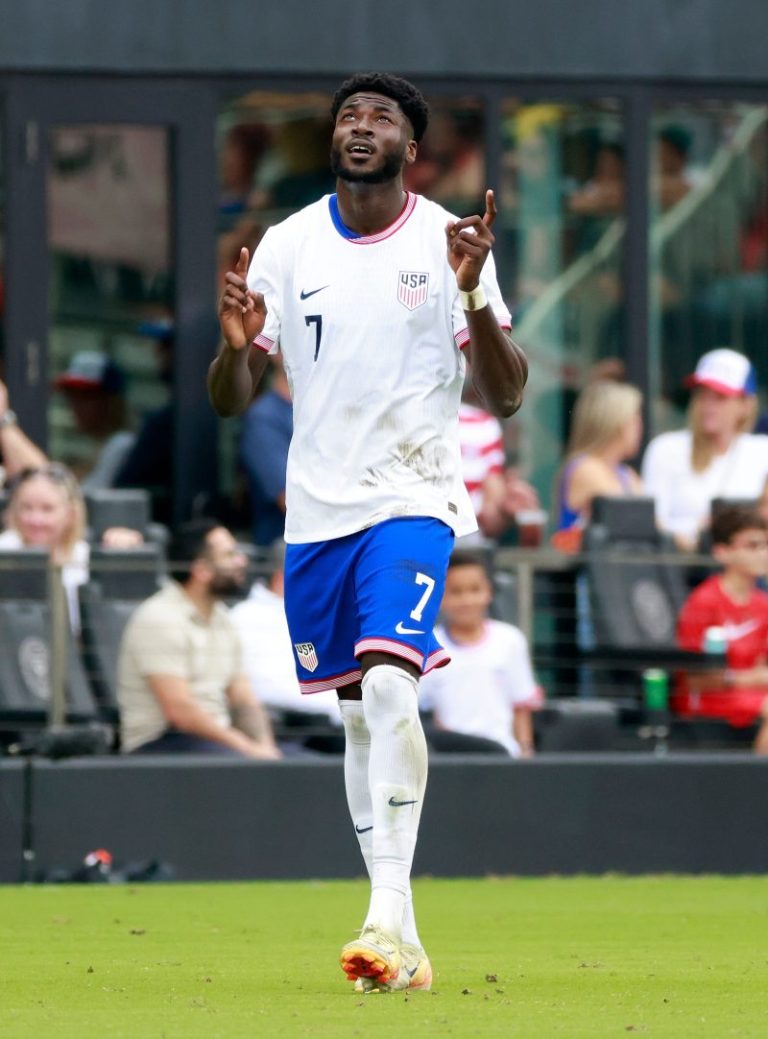
The U.S. men’s national soccer team plays the second of two January friendly matches on Wednesday when it goes up against Concacaf rival Costa Rica.

Coach Mauricio Pochettino’s USMNT won the first friendly, 3-1 over Venezuela on Saturday. Jack McGlynn, Patrick Agyemang and Matko Miljevic each scored goals in the victory. It was the first international goal for each of those three players, two of whom (Agyemang and Miljevic) made their USMNT debuts. Pochettino improved to 4-1 since taking over for former coach Gregg Berhalter last September.

This isn’t an official FIFA international break, and the USMNT’s European-based players — who are all in the midst of their club seasons — are typically not called into the national team’s January camp, which has traditionally been heavily focused on MLS talent.

Here’s everything you need to know for Wednesday’s USMNT-Costa Rica match:

Watch USMNT vs. Costa Rica on Sling

When is the USMNT’s friendly against Costa Rica?

Kickoff is slated for 7 p.m. ET on Wednesday, Jan. 22.

Where will the USMNT’s friendly against Costa Rica be played?

The USMNT-Costa Rica friendly will be held at Inter & Co Stadium in Orlando, Florida. Inter & Co Stadium is the home of Orlando City SC of Major League Soccer and the NWSL’s Orlando Pride.

How to watch USMNT vs. Costa Rica on TV

The television broadcast will be available on TNT (watch on Sling), with pregame coverage starting at 6:30 p.m. ET. The Spanish-language television broadcast is available on Telemundo and Universo.

How to stream USMNT vs. Costa Rica

The match will stream on Max and Peacock, with pregame coverage starting at 6:30 p.m. ET.

Watch USMNT vs. Costa Rica on Sling

USMNT roster for January friendlies

Goalkeepers (4): Drake Callender (Inter Miami CF), Matt Freese (New York City FC), Patrick Schulte (Columbus Crew), Zack Steffen (Colorado Rapids)

Defenders (7): Max Arfsten (Columbus Crew), George Campbell (CF Montréal), DeJuan Jones (Columbus Crew), Shaq Moore (FC Dallas), Tim Ream (Charlotte FC), Miles Robinson (FC Cincinnati), Walker Zimmerman (Nashville SC)

Midfielders (4): Benjamin Cremaschi (Inter Miami CF), Emeka Eneli (Real Salt Lake), Diego Luna (Real Salt Lake), Jack McGlynn (Philadelphia Union)

Forwards (6): Patrick Agyemang (Charlotte FC), Caden Clark (CF Montréal), Brian Gutiérrez (Chicago Fire FC), Matko Miljevic (Huracán/Argentina), Indiana Vassilev (St. Louis City SC), Brian White (Vancouver Whitecaps FC)

USMNT 2025 schedule and results

Jan. 20 (friendly) — United States 3, Venezuela 1
Jan. 22 (friendly) — Costa Rica (Inter & Co Stadium; Orlando, Florida)
March 20 (Concacaf Nations League) — Panama (SoFi Stadium; Inglewood, California)

We occasionally recommend interesting products and services. If you make a purchase by clicking one of the links, we may earn an affiliate fee. USA TODAY operates independently, and this doesn’t influence our coverage.

This post appeared first on USA TODAY
NEWYou can now listen to Fox News articles!

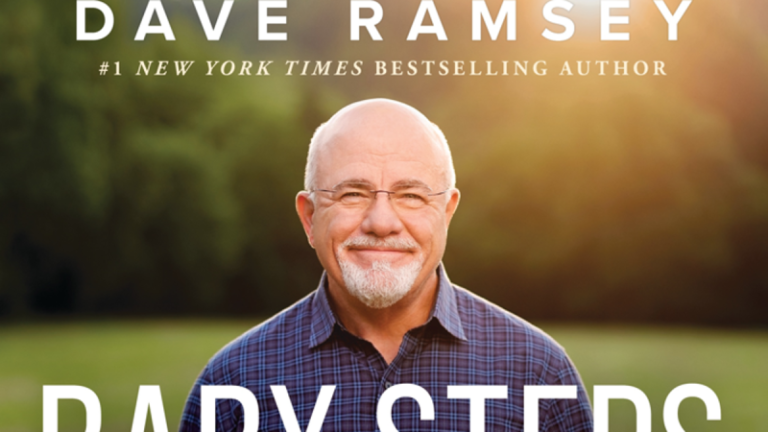
Change is in the air. A new year, a new president and a new moment for it to be your turn to win. I’ve spent the last 40 years studying wealthy, successful people and the principles that made them members of that club. This new day in America is going to be your best chance in a long time to apply those principles and live your dreams. 

While I am confident the new Trump administration will improve our economy, it will not make you personally wealthy or successful. The truth remains that what happens in your house, not what happens in the White House, has everything to do with your ability to win and live your dreams. Successful people will tell you the government takes much more than it gives. So, while you can be excited about the new administration’s approach to the economy, you cannot wait passively on the sidelines hoping President Trump will somehow make you wealthy. He won’t. It’s not his job. 

As a person of faith, I’m a big believer in prayer. The Bible is very clear that God does not financially bless the lazy, or the incompetent. Praying for your corn to grow while failing to plant any is not a biblical principle nor one of successful people. St. Augustine is quoted as saying, ‘Pray as if everything depended on God and work as if everything depended on you.’ Proverbs 10:4 (ESV) says, ‘A slack hand causes poverty, but the hand of the diligent makes rich.’ My grandmother used say, ‘There’s great place to go when you’re broke … TO WORK!’ God loves you, but He will not make you wealthy unless you follow His commonsense principles. 

Knowing that the new administration and even God who loves you are not going to make you successful without your personal diligence and competence, then it’s up to you to take action. Doing the same thing over and over again and expecting a different result is the definition of insanity. It’s time for a change.

Our company, Ramsey Solutions, did the largest study of millionaires ever done in America. The research methodology was airtight, and we had an outside firm ensure we didn’t have any confirmation bias or other issues with our process. The conclusions of this study are based on data, which makes them facts. So, if you disagree with the findings, you are what’s known as wrong.

Normal in America is broke. In the most prosperous society in human history, people are making money and they’re broke. 

I unpacked the white paper in my number one bestseller ‘Baby Steps Millionaires,’ and we discovered many things your common sense will tell you and very few things to confirm your childish emotions about what it means to be a millionaire. Eighty-nine percent of America’s millionaires are NOT millionaires because of an inheritance. You can take hope in that fact because it means YOU CAN build wealth and live your dreams. 

Millionaires do drive used Toyotas, and they do live on a written plan for their money called a budget. Millionaires are generous. And their purchase patterns indicate they do very little to impress others. Their Instagram highlight reel would be exceedingly boring. They don’t care what other people think. They are not taking a poll. 

They are aimed at a goal of financial security and are willing to sacrifice to get there. They read more than they watch TV. They are mostly debt-free and pay off their homes on average in 11.2 years from the time they set their mind to build wealth. While people generally become millionaires at an average age of 50, we discovered a surprising number of young millionaires as well. They contribute to their 401(k)s in good mutual funds like it’s a religion. They agree on their goals with their spouse and work in unity, not separately. And both are emotional adults, no spoiled-child temper tantrums to distract them from their goal. 

They like their careers and don’t say, ‘Thank God it’s Friday.’ They don’t say defeatist things like, ‘You’ll always have a car payment,’ or ‘The little man can’t get ahead,’ because they started with nothing—they are the little man! And they are proving every day that you can live on less than you make, and you can build wealth in America today. It takes them an average of 17 years from the time they start their plan to reach a net worth of $1 million. Most of the data sources we find indicate there are over 23 million millionaires in the United States today. 

All this data tells us clearly that you have every reason to hope that you, too, can build a good level of wealth in our country today. And yet, normal in America is broke. In the most prosperous society in human history, people are making money and they’re broke. 

Fifty-five percent of people who have debt say they lose sleep over it. The average new car payment is over $700. Most people have had student loan debt so long they think it’s a pet. Credit card debt is over $1.14 trillion. The number one cause of divorce is money stress and money fights. Normal is making money and broke. Normal sucks. Time to change. Time for some new habits and principles. Time to try doing what millionaires do. Here are five things you can take right now.

1. Get on a budget 

You need a detailed, written plan for your monthly spending. Check out our EveryDollar budgeting app for help.

2. Get out of debt

Your most powerful wealth-building tool is your income, so stop giving it to credit card and car companies in the form of monthly payments.

3. Live on less than you make

Pay cash. If you can’t pay for it with cash, you can’t afford it. You are not in Congress. You can’t spend more than you make and win.

4. Give money away

Be generous. Be a good tipper. Help others.

5. Save money 

Build an emergency fund because you will have emergencies, and they will become debt if you don’t. Invest in your Roth IRA or 401(k) in good mutual funds EVERY month.

You work too hard to be broke. Personal finance is 80% behavior and 20% head knowledge. I am positive the American Dream is not dead because I meet people just like you every day who have overcome unbelievable challenges to build wealth. It’s time for a change. 

Don’t wait on the White House to fix your house. Don’t wait on the sidelines of your own life any longer. 

You have every reason to have hope in—and work for—the American Dream.

Take Control of Your Money: Author Dave Ramsey invites you to join him, George Kamel, Rachel Cruze and Jade Warshaw for the free Take Control of Your Money livestream event January 23 at 7 p.m. CST. You’ll learn, step by step, how to do what millionaires do so you can stop living paycheck to paycheck, create breathing room in your budget and finally start building wealth. You work too hard to feel this broke. It’s time to take action!

This post appeared first on FOX NEWS
NEWYou can now listen to Fox News articles!

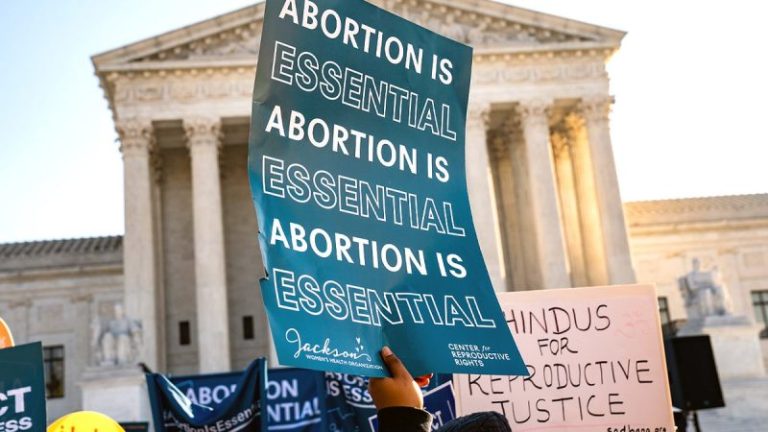
The irony is not lost on me that this anniversary of the Roe v. Wade decision comes just two days after the inauguration of the man who triggered its downfall: Donald Trump. 

Since the conservative U.S. Supreme Court justices he appointed helped strip us of this fundamental right two and half years ago, Republicans have been faced with the fierce outrage of American voters across the political spectrum. They heard enough to fake policy shifts on the issue publicly – scrubbing their websites of their support for restrictions, attempting to walk back out-of-touch views on care, and even removing explicit calls for a national abortion ban from their party’s platform for the first time in 40 years. 

Simply put, Republicans have learned that their opposition to abortion is politically dangerous. But while Donald Trump and Republicans at the state-level now know better than to talk about the issue publicly during their terms in office, that doesn’t mean they won’t try to further undermine our rights now that they have solidified power. 

Don’t take my word for it; just look at the facts. Because while Republicans were spouting these claims about moderation leading up to Election Day, they were simultaneously taking extreme measures to push care out of reach. With attention diverted to conversations about the Democratic ticket, they snuck harsh restrictions into must-pass budget bills, blocked a series of bills that would have protected patients traveling to get care and doctors providing that care, obstructed efforts to reinstate the protections of Roe, and more.

Republicans have wasted no time in pushing their real agenda post-election either. In Missouri, they’ve already filed numerous bills to overturn Amendment 3, a ballot initiative passed by a majority of voters in support of abortion access. In Indiana, they’ve introduced a new bill that would push care further out of reach for rape survivors. In Texas, Attorney General Ken Paxton has even filed a first-of-its-kind lawsuit against a New York doctor for providing care to a Texas resident, which could set a dangerous precedent for any patient who needs care from out-of-state. 

The vast majority of Americans believe in our right to choose – that includes 50% of Republican women. And the results of this election cycle proved that abortion is still a highly motivating issue for voters across parties. Women like Sen. Jacky Rosen in Nevada, Sen. Tammy Baldwin in Wisconsin, and New York Rep. Laura Gillen all won tightly contested races that came down to one question: Which candidate not only claims they believe in my right to choose, but can be trusted to actually protect it? 

If you’re part of the majority, then you should know: Attacks on our rights are still in full throttle. And the future of your reproductive health care access may lie in the hands of your state leaders.

Over the last two and half years, governors have been a frontline of defense, putting up safety rails against these kinds of attacks and prosecution attempts related to abortion care. Oregon Gov. Tina Kotek recently directed state agencies to secure an extended stockpile of abortion medication throughout the duration of this next administration. After the fall of Roe, New Mexico Gov. Michelle Lujan Grisham issued an executive order protecting patients from extradition and out-of-state investigations for seeking abortion care. Arizona Gov. Katie Hobbs signed another executive order that created an advisory council to safeguard reproductive rights and gave the state attorney general sole prosecutorial authority in court cases relating to abortion.

Regardless of your political party, the bulk of us agree on the fundamental belief behind these actions: Women should be able to get the health care they need without fear of government interference or prosecution.

If you care about abortion, it’s critical to stand behind the leaders who don’t just claim they believe in your rights, but who will take action to keep them intact. Governor candidates, like Rep. Mikie Sherrill in New Jersey and former Rep. Abigail Spanberger in Virginia, are the exact kind of leaders we need to hold the line and defend access to the health care we need.

While today we are stuck pondering the pain and cruelty that has erupted across our nation since the fall of Roe, instead of commemorating 52 years of a woman’s simple right to choose, it doesn’t have to be this way. This year, we have an opportunity to begin charting a path forward – and that begins with the Democratic women leaders Americans can trust. 

This post appeared first on FOX NEWS

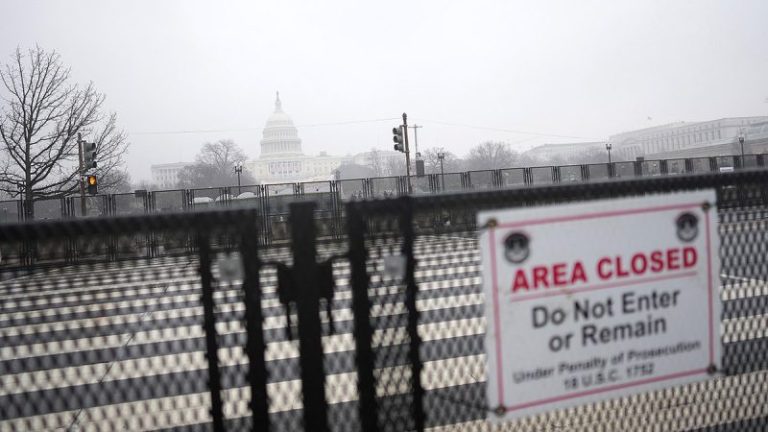
President Donald Trump’s swearing-in ceremony Monday featured the largest, most complex security footprint of any inauguration in U.S. history. 

The nation’s capital was transformed seemingly overnight from a pedestrian-friendly city into a daunting and impenetrable fortress – the result of a multi-agency task force that erected 30 miles of anti-scale fencing, coordinated aerial surveillance and drones, and saw the deployment of tens of thousands of law enforcement, military personnel, undercover agents, and national guard trucks across D.C.

The impressive, whole-of-government security effort on Inauguration Day was unprecedented, and not without reason: Trump was the victim of two assassination attempts during the 2024 campaign — including a shooter who came so close to him as to nick his ear — and a domestic threat landscape that was heightened further by the terrorist-inspired attack in New Orleans and the execution-style killing of United Healthcare CEO Brian Thompson in Midtown Manhattan late last year.

It’s notable, then, that this year’s sprawling security footprint did not expressly include one key component considered fundamental to U.S. tradition: The naming of a designated survivor.

In D.C., the tightly coordinated federal protection efforts were carefully planned long ahead of Trump’s inauguration ceremony by the Secret Service and many other federal agencies. 

It’s both a nod to recent security concerns, and more largely an effort to protect the U.S. body politic, foreign dignitaries, donors, and thousands of attendees from any mass catastrophe or threat. 

The designated survivor, who in a catastrophic event would bear the responsibility of leading the U.S. in the aftermath of a crisis, is typically a Cabinet officer when major security events put elected officials all in one spot, such as inaugurations and State of the Union addresses.

Previous designated survivors have included former DHS secretary Jeh Johnson, former Energy Secretary Rick Perry, and former Defense Secretary Robert Gates, who was tapped for the role during President Barack Obama’s inauguration in 2009. 

Gates, a George W. Bush appointee, was kept on by Obama and served in his Pentagon role until July 2011, according to his official Defense Department biography.

The survivor’s location, and sometimes identity, remains confidential until after the event disperses and its attendees have safely returned home. In high-profile events, a broader contingency plan is in place.

As Garrett Graff reported in 2016, Gates’s role as designated survivor during Obama’s inauguration also included the support of another government heavyweight — James Clapper, then the undersecretary of intelligence — who stowed away during the ceremony deep in an underground government bunker in Pennsylvania, a backup to the backup, if you will, and a nod at the detailed succession plan carefully crafted by a group defense, intelligence, and other federal agencies over the span of some 40-plus years.

So it was notable that no designated survivor was named during the 47th presidential inauguration.


No reason was given for the absence of the designated survivor, which was first reported by NBC News.

It’s possible that the sprawling security presence coordinated in the run-up to Jan. 20 was deemed sufficient to protect against any threats.

It’s also possible the event, which was held indoors and thus restricted to the public and to members of the news media, was limited enough as not to warrant the designated survivor. 

Ahead of the event, FBI and Secret Service personnel stressed the stringent security measures in place and the tight vetting of any ticketed attendees.

David Sundberg of the FBI’s Washington Field Office told Fox News earlier this week that the bureau was not tracking ‘any specific or credible threats’ for Inauguration Day.

‘All attendees will undergo screening,’ said Matt McCool, special agent in charge of the Secret Service’s Washington Field Office. 

These individuals told Fox News that the fencing alone is more than any other designated National Special Security Event in the past.

‘Designated checkpoints will be set up for members of the public interested in attending the inauguration,’ McCool said ahead of the inauguration — a protocol also applied to attendees of the modified Capital One festivities, which were moved inside due to frigid temperatures.

Neither the White House, DHS nor the FBI immediately responded to Fox News Digital’s request for comment on the absence of a designated survivor.

Fox News Digital’s Elizabeth Elkind contributed to this report.

This post appeared first on FOX NEWS

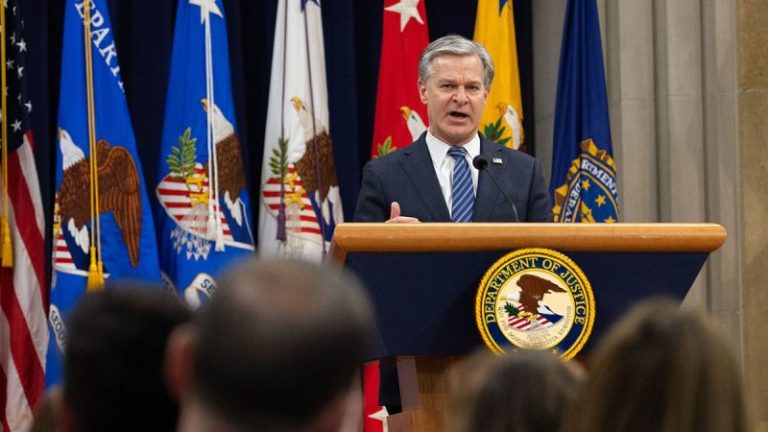
President Donald Trump has promised to usher in a new era in America’s top investigative unit — the Federal Bureau of Investigation (FBI) — with day one changes being implemented as key senior roles were reassigned.

The agency’s shakeup began when former FBI Director Christopher Wray, who was nominated by Trump in his first administration, announced last month that he would step down from his post. Hours before Trump was sworn in, acting director Paul Abbate similarly stepped down.

The Associated Press reported, citing a person familiar with the matter, that the longtime head of the Justice Department’s office of international affairs, Bruce Swartz, was reassigned along with as many as 20 other staffers. 

On Monday, the White House announced Brian Discoll as acting director of the FBI. Driscoll’s time as acting director will presumably end when Kashyap ‘Kash’ Patel is confirmed as the FBI’s next director by the U.S. Senate.

Throughout former President Biden’s term, the FBI was entangled in repeated scandals, prompting President Trump to promise to root out corruption in the FBI and the Department of Justice (DOJ).

Former FBI agent and Fox News contributor Nicole Parker told Fox News Digital that Abbate’s retirement was a ‘good idea.’ 

‘He had to have known that his days were likely very much numbered,’ she said. ‘It’s been widely publicized and well known that Paul Abbate was involved in pushing the raid at Mar-a-Lago. Also, he was very involved in pushing the Jan. 6 misdemeanor cases that were worked rigorously at the FBI.’

‘I imagine that he knew, rather than being removed upon Trump’s arrival, that it might be best in his interest to just move on. And I think that probably was a good idea on his part,’ she said.

On day one, President Trump signed a memorandum titled ‘Restoring Accountability for Career Senior Executives.’ He asserted that federal employees are able to be fired. 

‘I came from the private sector before the FBI, and I noticed such a contrast. The private sector, if you’re not doing your job, of course you’re going to get fired. But when you come to the federal government, there was almost this mood of, you know, we’re untouchable,’ Parker said. 

‘And I really believe that those days are over. You are working for the American taxpayers. It is their taxpayer dollars that need to be put to good use. And if you’re not doing your job, you really should be removed,’ she said. ‘I do believe that there will be people who may not be on board with Trump’s plans, and they’ll choose to walk away on their own.’

Discroll is now heading the agency as Patel begins his Senate confirmation process. Patel’s Senate confirmation hearing is scheduled to begin on Wednesday, Jan. 29. 

Discroll, a veteran of the agency, joined in 2007, according to a statement on the White House’s website. Robert Kissane, the top counterterrorism agent in New York, will serve as acting deputy director, the White House said.

Prior to being appointed as acting director, Discroll most recently served as the special agent in charge of the Newark Field Office. He also previously served as the commander of the FBI’s Hostage Rescue Team (HRT) and Critical Incident Response Group’s (CIRG) Tactical Section chief.

‘I think it’s good for the FBI, for somebody who has such an amazing background with tactical experience and HRT,’ retired FBI agent Scott Duffey told Fox News Digital. ‘It’s a tall order, and I wish him well.’

Before his career in the FBI, he was a special agent with the Naval Criminal Investigative Service, the agency said in a release. He earned a bachelor’s degree in English from Villanova University and a master’s degree in public policy and international relations from Pepperdine University.

Fox News Digital has reached out to the FBI and the Department of Justice for comment.

Fox News’ Andrea Margolis contributed to this report.

This post appeared first on FOX NEWS

The combination of an expanded College Football Playoff and breakthrough success by several teams that didn’t make the CFP resulted in another banner season of bonus payouts for college football head coaches at Bowl Subdivision public schools.

They totaled a little more than $16.8 million for on-field achievements, with four coaches claiming at least $1 million, according to tracking by USA TODAY Sports based on contracts acquired through open-records requests.

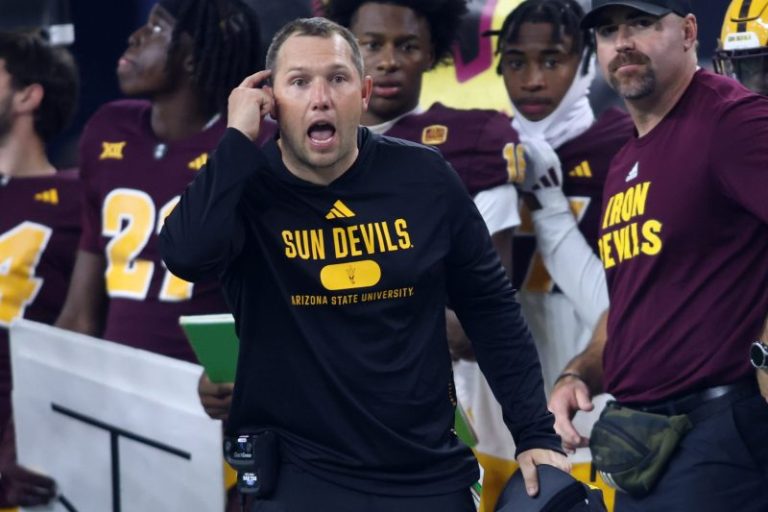
Arizona State’s Kenny Dillingham led the way with just over $2.6 million, including an additional $39,500 he will receive for the Sun Devils moving into the top 10 of Tuesday’s final US LBM Football Coaches Poll and Associated Press media poll (they finished No. 7 in both).

Ohio State’s Ryan Day reached seven figures with the Buckeyes’ run to the CFP national championship, which culminated with a victory over Notre Dame on Monday night that was worth $500,000 alone and gave him $1 million for the season. That amount put him at No. 4 on the bonus list, behind Indiana’s Curt Cignetti ($1.5 million) and Iowa State’s Matt Campbell ($1.35 million).

The overall total includes only a portion of the amount likely claimed by Penn State coach James Franklin. His team advanced to the CFP semifinals after the university announced in late November that his bonus structure had been revised to address a 12-team CFP, but it made no details available and state laws do not require such disclosure.

Last season, FBS public-school head coaches picked up just over $15.5 million, which had been the greatest total since USA TODAY Sports began tracking these amounts in 2019. During those years, no more than two coaches had reached at least $1 million for on-field achievements in the same season.

Dillingham’s total for this season is the second-largest single-season total for a public-school coach. The Sun Devils went 11-3, won the Big 12 Conference title and lost a CFP quarterfinal to Texas in double overtime. Dillingham has said that $200,000 of his bonuses will be given to program staff members.

Jim Harbaugh, then with Michigan, picked up $3 million last season when the Wolverines won the CFP championship. Dillingham also is set for $100,000 based on Arizona State football’s recently published NCAA Graduation Success Rate and could get more this spring based on other team academic metrics.

Dillingham and the university have agreed to a new contract that will increase his pay for the 2025 season from the previously scheduled $4.05 million to just over $6.4 million, give him a $1 million signing bonus and offer the possibility of remaining on a five-year, rolling contract with varying increases if the team wins at least six regular-season games.

Indiana’s Cignetti led the Hoosiers to an 11-2 record in his first year at the school after IU went 3-9 in 2023. And he may end up as the biggest overall winner. His contract had included an automatic one-year extension for the team making a bowl appearance. But after the Hoosiers reached that goal, he and IU agreed on a new contract that is longer, more lucrative and included a provision under which the school’s buyout for firing Cignetti without cause would increase from 85% of the amount left on the contract to 100% of the amount remaining if the Hoosiers made the CFP field — which they did.

Cignetti started at IU with a six-year deal set to be worth at least $27 million, with $20 million initially guaranteed. He has now begun an eight-year agreement set to be worth at least $72 million, with at least $64 million initially guaranteed.

In addition to Cignetti, eight coaches who will be staying with their schools reached goals this season that are set to result in automatic contract extensions and/or raises scheduled to be worth a combined total of at least $37.45 million.

Iowa State’s Campbell reached his $1.35 million in bonuses without the Cyclones playing in the CFP. They did, however, set a school record for wins in a season with 11, and they tied for the Big 12 regular-season title. The school has announced that parties have reached agreement on a new contract that will extend their present deal by four years, but financial terms have not been announced.

A full, school-by-school list of on-field incentives achieved follows. It is alphabetical, by school and shows amounts coaches achieved prior to leaving for other positions or being fired. In either of those cases, the amounts still may be owed to the coach. The list does not reflect amounts that head coaches have said they will be sharing with staff members.

It also does not include bonuses and/or pay increases for assistant coaches, staff and athletics directors that also may be resulting from these achievements. And those totals could be significant. For example, with Ohio State winning the CFP title, its 10 primary assistant coaches and head strength coach are set for a combined total of $4.3 million in bonuses. Buckeyes athletics director Ross Bjork is due $50,000 for the team reaching the CFP final.

In addition, the list does not include coaches’ bonuses for team academic achievements.

Appalachian State: Shawn Clark

►$20,000: Competitive scheduling – play guarantee game at home stadium of Power Five opponent (Clemson)

Arizona State: Kenny Dillingham

►$50,000: Sixth win, eligible for non-College Football Playoff bowl game

►$200,000: Ninth regular-season win

►$300,000: 10th regular-season win

►$395,000: Play in Big 12 Conference title game

►$50,000: Big 12 coach of the year

►$395,000: Win Big 12 title

►$39,500: Team No. 25 through No. 11 in final CFP rankings (No. 12)

►$1,135,000: Play in CFP quarterfinals

►$39,500: Team No. 10 through No. 6 in final US LBM Football Coaches Poll and Associated Press media poll (No. 7 in both).

Arkansas: Sam Pittman

►$100,000: Sixth win, eligible for non-CFP bowl game

►$50,000: Play in what contract calls ‘Tier 2’ bowl, which mirrors Southeastern Conference Pool of Six (team playing in Liberty Bowl)

►$250,000 raise that began Jan. 1, 2025: Seventh win, which occurred in bowl game against a Power Five or ranked team (Texas Tech).

Arkansas State: Butch Jones

►$25,000: Sixth win, eligible for non-CFP bowl game

Army: Jeff Monken

(Note: If team’s multi-year NCAA Academic Progress Rate is less than 975, Monken’s bonuses would be reduced by various percentages, depending on the APR figure.)

►$100,000: Sixth win, eligible for non-CFP bowl game

►$25,000: Seventh regular-season win

►$75,000: Win over Air Force

►$25,000: Eighth regular-season win

►$25,000: Ninth regular-season win

►$50,000: 10th regular-season win

►$50,000: Win American Athletic Conference title

►$50,000: Team in top 25 of final rankings (No. 22 CFP, No. 21 Coaches and AP)

►$50,000: Win non-CFP bowl game

Boise State: Spencer Danielson

►$11,000: Sixth Mountain West Conference win

►$22,000: American Football Coaches Association regional coach of the year

►$11,000: Seventh Mountain West win

►$44,000: Play in Mountain West title game

►$22,000: Mountain West coach of the year

►$66,000: Win Mountain West title

►$110,000: Play in CFP quarterfinals

Bowling Green: Scot Loeffler

►$25,000: Sixth win, eligible for non-CFP bowl game

►$7,500: Fifth Mid-American Conference win

►$25,000: Sixth MAC win

►$5,000: Bowling Green player named MAC player of the year (Harold Fannin Jr.)

Buffalo: Pete Lembo

►$25,000: Sixth win, eligible for non-CFP bowl game

►$15,000: Eighth regular-season win

►$35,000: Win non-CFP bowl game

California: Justin Wilcox

►$25,000: Win over Stanford

►$25,000: Sixth regular-season win

►$40,000: Sixth win, eligible for non-CFP bowl game

Clemson: Dabo Swinney

►$75,000: Eligible for non-CFP bowl game with at least eight wins

►$50,000: Play in Atlantic Coast Conference title game

►$200,000: Win ACC title

►$75,000: Play in CFP first round

Coastal Carolina: Tim Beck

►$150,000: Sixth win, eligible for non-CFP bowl game

Colorado: Deion Sanders

►$150,000: Sixth win

►$150,000: Eligible for non-CFP bowl game

►$100,000: Seventh regular-season win

►$100,000: Eighth regular-season win

►$100,000: Ninth regular-season win

Colorado State: Jay Norvell

►$50,000: Sixth win, eligible for non-CFP bowl game

►$25,000: Fourth Mountain West win

►$50,000: Seventh win

►$25,000: Fifth Mountain West win

►$50,000: Eighth win

►$50,000: Sixth Mountain West win

Connecticut: Jim Mora

►$25,000: Sixth regular-season win

►$50,000: Eligible for non-CFP bowl game

►$10,000: Seventh regular-season win

►$10,000: Eighth regular-season win

East Carolina: Blake Harrell

(Note: Harrell had been serving as interim head coach, and his bonus total is based on the terms of his interim head-coaching agreement and the memorandum of understanding between him and East Carolina after the school removed Harrell’s interim tag and named him head coach.)

►$45,000: Sixth win, eligible for non-CFP bowl game

►$50,000: Win bowl game following 2024 season

Florida: Billy Napier

►$100,000: Sixth win, eligible for non-CFP bowl game

Fresno State interim coach: Tim Skipper

►$50,000: Sixth win, eligible for non-CFP bowl game

Georgia: Kirby Smart

►$50,000: Sixth win, eligible for non-CFP bowl game

►$25,000: Eighth win, sets up team for Southeastern Conference Pool of Six bowl

►$100,000: Play in SEC title game

►$200,000: Win SEC title

►$425,000: Play in CFP quarterfinals

Georgia Southern: Clay Helton

►$25,000: Sixth win, eligible for non-CFP bowl game

►$30,000: Eighth regular-season win

Georgia State: Dell McGee

►$10,000: Win over Power Four team (Vanderbilt)

Georgia Tech: Brent Key

►$50,000: Sixth win, eligible for non-CFP bowl game

Illinois: Bret Bielema

►One-year contract extension; $25,000 bonus this season: Sixth win, eligible for non-CFP bowl game (Agreement set to run through Jan. 31, 2030. Scheduled total pay for that season would be $7.25 million, all guaranteed.)

►$150,000 increase in scheduled total and guaranteed pay for season added under automatic contract extension, making it worth $7.4 million: Seventh win

►$50,000: Eighth regular-season win

►$50,000: Ninth regular-season win

►$75,000: Ninth win, sets up team for what contract terms ‘Tier 1’ bowl, which includes ReliaQuest and Citrus (team playing in Citrus)

Indiana: Curt Cignetti

►One-year contract extension; $250,000 raise, beginning next season; $200,000 bonus this season: Sixth win, eligible for non-CFP bowl game (Agreement set to run through Nov. 30, 2030. Scheduled total pay for that season would be $5.1 million, with $3.3 million guaranteed.)

Note: After Cignetti reached this goal, he and school agreed on new contract that is longer and more lucrative.

►$100,000: Fifth Big Ten Conference win

►$50,000: Sixth Big Ten win

►$500,000: Finish among top two in final Big Ten regular-season standings

►$50,000: Big Ten coach of the year

►$500,000 bonus this year and increase in the value of buyout if Cignetti is fired without cause to 100% of remaining value of new contract from 85%. (As of Dec. 10, 2024, that difference is nearly $9.5 million.): Play in CFP first round

►$100,000: National coach of the year, by Associated Press and other organizations

Iowa: Kirk Ferentz

►$100,000: Sixth win, eligible for non-CFP bowl game

Iowa State: Matt Campbell

►$50,000: Sixth win, eligible for non-CFP bowl game

►$250,000: Seventh regular-season win

►$250,000: Eighth regular-season win

►$250,000: Ninth regular-season win

►$250,000: 10th regular-season win

►$250,000: Play in Big 12 Conference title game with team tied for first place in regular-season conference standings

►$50,000: Win bowl game

Jacksonville State: Rich Rodriguez

►$10,000: Sixth win, eligible for non-CFP bowl game

►$10,000: Seventh regular-season win

►$10,000: Eighth regular-season win

►$20,000: Win Conference USA title

James Madison: Bob Chesney

►$15,000: Win over Power Four team (North Carolina)

►$25,000: Sixth win, eligible for non-CFP bowl game

►$25,000: Seventh win over FBS opponents

►$25,000: Win non-CFP bowl game

Kansas State: Chris Klieman

►$50,000: Sixth win, eligible for non-CFP bowl game

►One-year contract extension: Eighth regular-season win (Contract now set to run through Dec. 31, 2032. Extension now scheduled to pay $6.5 million with at least $3.75 million guaranteed.)

Louisville: Jeff Brohm

►$100,000: Sixth win, eligible for non-CFP bowl game

LSU: Brian Kelly

►$500,000: Sixth win, eligible for non-CFP bowl game

Louisiana-Lafayette: Michael Desormeaux

►$25,000: Eligible for non-CFP bowl game with at least seven wins

►One-year contract extension: 10th win (Contract now set to run through Dec. 31, 2027. Extension now scheduled to pay $772,800 with $443,680 million guaranteed.)

►$25,000: 10th regular-season win

►$25,000: Win Sun Belt Conference division title

►$20,000: Sun Belt coach of the year

Marshall: Charles Huff

►$50,000: Sixth win, eligible for non-CFP bowl game

►$30,000: Seventh win

►$50,000: Win Sun Belt title

Memphis: Ryan Silverfield

►$25,000: Sixth win, eligible for non-CFP bowl game

►$75,000: Eighth win

►One-year contract extension: Ninth regular-season win (Contract now set to run through Dec. 31, 2029. Extension now scheduled to pay $2.8 million with $1.68 million guaranteed.)

►$25,000: Ninth win

►$25,000: 10th win

►$25,000: Team No. 25 through No. 11 in final rankings (No. 25 CFP, No. 23 Coaches, No. 24 AP)

►$25,000: 11th win

►$50,000: Win non-CFP bowl game

Miami (Ohio): Chuck Martin

►$25,000: Sixth win, eligible for non-CFP bowl game

►$25,000: Play in MAC title game

►$25,000: Win non-CFP bowl game

Minnesota: P.J. Fleck

►$100,000: Sixth win, eligible for non-CFP bowl game

►$50,000: Fifth Big Ten win

►$50,000: Win non-CFP bowl game over Power Four team (Virginia Tech)

Mississippi: Lane Kiffin

►$100,000: Regular-season win over non-conference Power Five team (Wake Forest)

►$50,000: Sixth win, eligible for non-CFP bowl game

►One-year contract extension: Seventh win (Contract with Ole Miss Athletics Foundation now set to run through Dec. 31, 2030; contract with university through Dec. 31, 2028. Extension now scheduled to pay $9,000,000, with $7.2 million guaranteed.)

►$50,000: Eighth win, sets up team for SEC Pool of Six bowl (team playing Gator Bowl)

►$150,000: Fifth SEC win

Missouri: Eliah Drinkwitz

►$100,000: Sixth win, eligible for non-CFP bowl game

►$25,000: Team in top 25 of final rankings (No. 19 CFP, No. 20 Coaches, No. 22 AP)

►$50,000: Play in SEC Group of Six bowl game (team playing in Music City Bowl)

Nebraska: Matt Rhule

►$150,000: Sixth win, eligible for non-CFP bowl game

Nevada-Las Vegas: Barry Odom

►$50,000: Sixth win, eligible for non-CFP bowl game

►$25,000: Play in Mountain West title game

►$25,000: Team in top of final rankings (No. 24 CFP, No. 24 Coaches, No. 23 AP)

North Carolina: Mack Brown

►$75,000: Sixth win, eligible for non-CFP bowl game

North Carolina State: Dave Doeren

►$25,000: Sixth win, eligible for non-CFP bowl game

North Texas: Eric Morris

►$35,000: Sixth win, eligible for non-CFP bowl game

Northern Illinois: Thomas Hammock

►$15,000: Sixth win, eligible for non-CFP bowl game

►One-year contract extension: Win bowl game (Contract now set to run through June 30, 2030. Extension now scheduled to pay $786,225 with $330,500 guaranteed.)

►$20,000: Win non-CFP bowl game

Ohio: Tim Albin

►One-year contract extension and $5,000 bonus: Eighth regular-season win (Contract now set to run through Dec. 31, 2028. Extension now scheduled to pay $710,000 with $305,000 guaranteed.)

►$5,000: Ninth regular-season win

►$30,753: Play in MAC title game

►$10,000: MAC coach of the year

►$30,753: Win MAC title

Ohio State: Ryan Day

►$100,000: Play in CFP first round

►$150,000: Play in CFP quarterfinal

►$100,000: Play in CFP semifinal

►$150,000: Play in CFP championship game

Oregon: Dan Lanning

►One-year contract extension: 10th regular-season win (Contract now set to run through Jan. 31, 2031. Extension now scheduled to pay $9,400,000, all guaranteed.)

►$200,000: 11th regular-season win

►$100,000: Play in Big Ten championship game

►$200,000: 12th regular-season win

►$150,000: Win Big Ten title

►$200,000: Play in CFP quarterfinals

Penn State: James Franklin

(Note: Penn State announced on Nov. 29 that Franklin’s bonus package has been revised to address a 12-team CFP. The university made no details available. The bonuses listed here are from a term sheet the university previously had released rather than a full-form contract.)

►$200,000: Sixth win, eligible for non-CFP bowl game

►$200,000: Play in Big Ten title game

Rutgers: Greg Schiano

►$100,000: Sixth win, eligible for non-CFP bowl game

Sam Houston State: K.C. Keeler

►$25,000: Sixth win, eligible for non-CFP bowl game

San Jose State: Ken Niumatalolo

►$30,000: Seventh regular-season win

South Alabama: Major Applewhite

►$15,000: Sixth win, eligible for non-CFP bowl game

►$20,000: Win bowl game

South Carolina: Shane Beamer

►$100,000: Sixth win, eligible for non-CFP bowl game

►$50,000: Play in Citrus Bowl

South Florida: Alex Golesh

►$25,000: Sixth win, eligible for non-CFP bowl game

►$50,000: Win non-CFP bowl game

Tennessee: Josh Heupel

►$100,000: Sixth win, eligible for non-CFP bowl game

►$100,000: Team No. 10 through No. 6 in final rankings (No. 7 CFP, No. 8 Coaches, No. 9 AP)

►$100,000: Play in CFP first round

Texas: Steve Sarkisian

►$100,000: Sixth win, eligible for non-CFP bowl game

►$150,000: Play in SEC title game

►$150,000: Play in CFP first round

►$250,000: Play in CFP quarterfinal

►$250,000: Play in CFP semifinal

Texas-San Antonio: Jeff Traylor

►$25,000: Sixth win, eligible for non-CFP bowl game

►$25,000: Win bowl game

Texas State: G.J. Kinne

►$25,000: Sixth win, eligible for non-CFP bowl game

►$50,000: Win bowl game

Texas Tech: Joey McGuire

►$25,000: Sixth win, eligible for non-CFP bowl game

►$100,000: Eighth regular-season win

Toledo: Jason Candle

►$75,000: Sixth regular-season win

►$20,000: Sixth win, eligible for non-CFP bowl game

►$60,000: Seventh regular-season win

►$30,000: Win bowl game

Utah: Kyle Whittingham

►$15,000: Team ranked in top 25 at any time during season (AP preseason top 25, No. 12)

Virginia Tech: Brent Pry

►$50,000: Sixth win, eligible for non-CFP bowl game

Washington: Jedd Fisch

►$75,000: Sixth win, eligible for non-CFP bowl game

Washington State: Jake Dickert

►$25,000: Eligible for non-CFP bowl game with at least seven wins

West Virginia: Neal Brown

►$50,000: Sixth win, eligible for non-CFP bowl game

Western Kentucky: Tyson Helton

►$50,000: Play in Conference USA title game

►$50,000: 8th win assures team will finish with winning record

Western Michigan: Lance Taylor

►$25,000: Sixth win, eligible for non-CFP bowl game

This post appeared first on USA TODAY