Archive

2025

Browsing

There were 68 teams celebrating Selection Sunday and starting to prepare for their first matchup in the men’s NCAA Tournament, but there are several teams moping around, wishing they had the same opportunity.

Every year, there teams on the bubble trying to prove they belong in the field. More often than not, those teams end up building a resume worthy of making March Madness. Unfortunately, the tournament selection committee chooses to go another route, thinking those team’s cases weren’t strong enough or there just weren’t enough spots for them to make it into the bracket. Last year, several bids were stolen by conference tournament champions, and while that wasn’t nearly the case this time around, there were still teams that have a right to be upset by the decision, especially after the controversial decision to put North Carolina in.

The big dance is always going to be magical, but that doesn’t mean all of the right teams got in. Here are the biggest snubs from the 2025 NCAA men’s tournament:

West Virginia

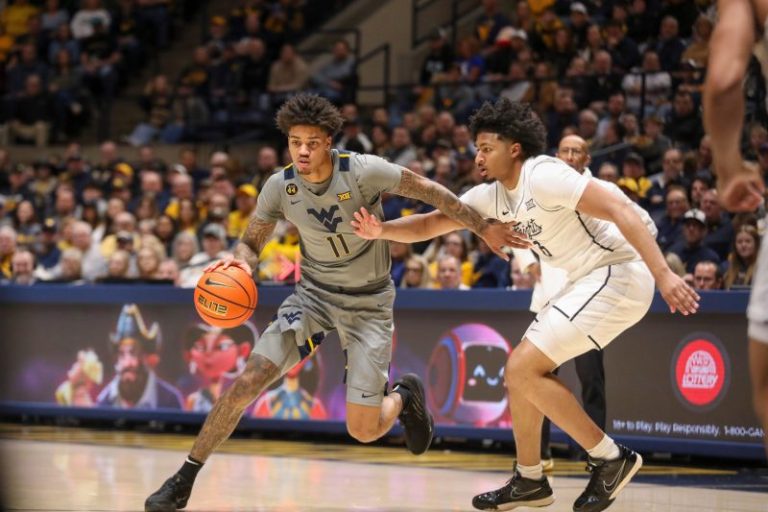
The shocking omission is the Mountaineers, who were widely believed to make the field before it was revealed it was the first team to miss it. The impressive start of the year for first-year coach Darian DeVries wasn’t enough after a late slump that included a loss to Colorado in the first round of the Big 12 tournament.

What doesn’t make sense is the Mountaineers had a resume worth being in the field. Early in the season, it picked up big wins against Gonzaga, Arizona, Kansas and Iowa State, all wins against top 20 teams in the NET rankings. An overall 6-10 Quad 1 record is on par for a bubble team and the 10-13 record combined with the Quad 2 is really good.

The six Quad 1 wins were more than 13 at-large teams selected. West Virginia proved it can beat quality teams, but it somehow wasn’t enough.

Make your March Madness a slam dunk: Sign up for USA TODAY’s Sports newsletter.

Boise State

The late pushed by the Broncos were all for naught. Boise State won nine of its last 11 regular-season games and made it all the way to the Mountain West tournament final, but it wasn’t enough.

Boise State had an exceptional 24-win season, more than last year’s First Four team. The Broncos posted win against tournament teams Utah State and New Mexico and also beat Clemson in the regular season. They followed that with a defeat of San Diego State and New Mexico before falling to Colorado State in the conference tournament. The Broncos finished with an 8-8 Quad 1 and 2 record, proving they were capable of playing against the field of 68.

The biggest mark against Boise State was it had a Quad 3 and 4 loss. Although they happened before 2025 began, the whole resume matters at the selection committee.

Indiana

The late surge by Indiana was all for nothing. The Hoosiers missed out on the tournament and giving Mike Woodson a March Madness appearance in his final season in Bloomington.

Much of the season was a disappointment for Indiana and was sitting at 14-10 before reviving its season with impressive wins over Michigan State and Purdue. The Hoosiers needed a good week at the Big Ten tournament, but lost to Oregon in the first matchup in Indianapolis.

Indiana can feel slighted with North Carolina’s selection. It had a 4-13 Quad 1 record and never suffered a bad loss − unlike the Tar Heels − with a perfect 15-0 record in Quad 2-4 games. If North Carolina didn’t get punished for failing to capitalize on Quad 1 chances, the Hoosiers have a right to be mad the same thing didn’t apply to them.

Ohio State

Ohio State had a similar argument as Texas to make the tournament. The only difference is the Longhorns got in and the Buckeyes didn’t, likely because of its bad losses − despite picking up some notable wins this season.

The Buckeyes went 17-15 with victories against Texas, Kentucky, Purdue and Maryland. They also had a No. 41 NET ranking, a pretty solid spot to be at considering teams behind them got into the field and the highest ranking to miss this year’s tournament.

A 6-11 Quad 1 record isn’t ideal considering the amount of opportunities and a 3-4 Quad 2 record, but the six win mark in the top quadrant has typically been the benchmark for teams in power conferences to get in.

UC Irvine

The Anteaters were close to securing the automatic bid from the Big West tournament before UC San Diego pulled away to take the title. While the automatic spot would have erased any doubt, Russell Turner’s team had a legit case to give the Big West two teams in the field for the first time 2005.

At 28-6, UC Irvine is tied for the eighth-most victories in Division I this season and equals the most wins of any team to miss the tournament. The NET ranking is what hurt the Anteaters the most at No. 62 in the rankings, and the 1-1 Quad 1 record likely doesn’t outweigh three Quad 3 losses. Still, UC Irvine did plenty of winning to put up a case to be an at-large spot, but instead the Big West won’t get two teams in the tournament.

Dayton

A team that flew under the radar for much of the season but certainly had a case to be an at-large team was Dayton. The Flyers finished third in the Atlantic 10 and while 10 losses in that conference is typically too much, they had a 3-3 mark in Quad 1 games with defeats of Connecticut and Marquette. They also Atlantic 10 conference champion Virginia Commonwealth on the road.

The 2-6 Quad 2 record was hurtful and the one Quad 3 loss to Massachusetts in early January may have been the fatal mark that ever prevented Dayton from making some noise on the bubble.
This post appeared first on USA TODAY

Xavier men’s basketball was able to exhale after the NCAA Tournament Selection Sunday show.

For the second time in the last three years, the Musketeers learned that they made the field of 68 off the bubble and that this time around they would be dancing as a First Four team.

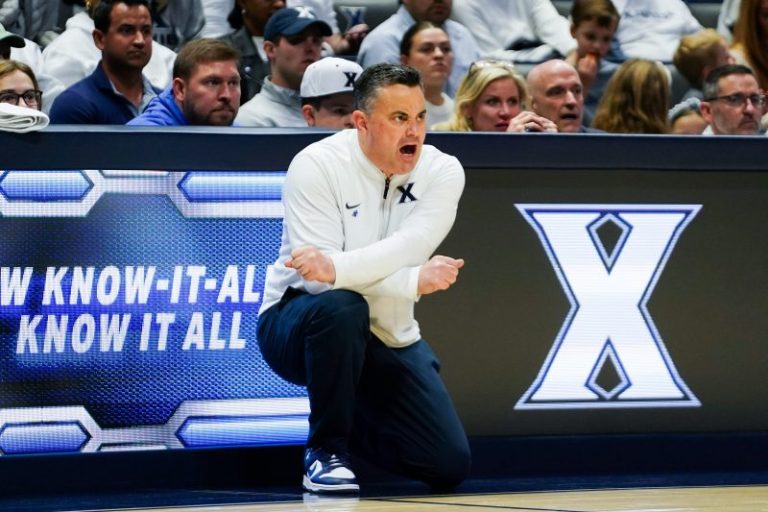
It is the sixth time that the Musketeers have gone to the NCAA Tournament under Sean Miller, who has spent two tenures at Xavier with a stop at Arizona in between.

With the Musketeers being added to the March Madness field, the Big East conference sent five total programs to the NCAA Tournament, joining St. John’s, Marquette, Creighton and UConn.

Xavier heads into the tournament winners of eight of its last 10 games. The six-week surge late in the season put the Musketeers originally on the bubble after they appeared to be missing out on the tournament around January.

Here’s what you need to know on whether Xavier made the NCAA Tournament and more:

Did Xavier make March Madness?

Yes, Xavier learned during the Selection Sunday bracket reveal show that it had made the field of 68 and the 2025 NCAA Tournament.

However, the Musketeers aren’t technically in March Madness just yet.

The NCAA Tournament selection committee sent Xavier to the First Four on Sunday, where the Musketeers will play the SEC’s Texas Longhorns on Wednesday, March 19 at UD Arena in Dayton, Ohio. Xavier and Texas will play for an 11-seed, with the winner advancing to face No. 6 seed Ole Miss in Milwaukee on Friday, March 21.

IT’S BRACKET MADNESS: Enter USA TODAY’s Bracket Challenge contest for a chance at $1 million prize.

‘Tonight, I don’t know if I’ve ever experienced a better feeling in sports than the one I had when our name was announced tonight with our players at my house on Selection Sunday,’ Miller said Sunday. ‘It was hard to describe. It was magical.’

He added: ‘We’re thrilled to be part of the tournament. There’s no doubt that we became a tournament team. … Over the last six weeks in particular, our level of play really jumped up and now it’s up to us to take that level of play into the tournament.’

Xavier entered Selection Sunday right on the bubble of the NCAA Tournament in the ‘Last Four In’ or ‘First Four Out’ category by many bracketologists. USA TODAY’s final bracketology projection had it in the former group.

The Musketeers headed into conference tournament week needing a deep run at the Big East tournament to get off the bubble, as they were 1-8 against Quad 1 opponents and No. 45 in the NET rankings. However, Xavier was unable to do that as it lost to Marquette 89-87 in the quarterfinals at Madison Square Garden on Thursday, March 13.

‘If you ever want to test your balance, the balance as a coach, these last two and a half days really tested (that),’ Miller said of watching the bubble in the lead-up to Selection Sunday.

As for what put Xavier in the field despite an early-round exit in the Big East tournament, one can point to Memphis and VCU helping the Musketeers by not losing the American Athletic Conference and Atlantic 10 championship games on Sunday.

The USA TODAY app gets you to the heart of the news — fastDownload for award-winning coverage, crosswords, audio storytelling, the eNewspaper and more.

This post appeared first on USA TODAY

The key to picking teams in the NCAA men’s basketball tournament is to look for underdogs or dark horses that can exploit the draw and avoid upsets. The top teams in the country primarily come from two conferences, but many more teams have the talent to make a run at the championship.

Last year, North Carolina State went 17–14 and was a No. 10 seed in the ACC tournament but ran the table before earning a No. 11 seed in the NCAA Tournament. The Wolfpack then blitzed through the South Region to reach the Final Four. Clemson was the only other team seeded above the No. 5 line to make it to at least the Regional Final.

Who could be the surprise team this year? Here are four teams that could make a run at the championship:

Can your picks survive March Madness? Join our Survivor Pool to find out

Connecticut

It’s odd that the two-time defending national champions can be considered an underdog or dark horse, but this is the hand they have been dealt. The Huskies have championship mettle. You need to win six games and they know how to do it, but with their draw in the West Region it might be tough sledding making it to the second weekend.

UC San Diego

UC San Diego is only in its fifth season at the Division I level, but it punched its ticket by winning the Big West Conference. Led by coach Eric Olen, the Tritons do things that don’t get them beat; they don’t turn the ball over, a testament to point guard Hayden Gray’s skillful handling of the ball. They force turnovers and are efficient at shooting from long distance, making nearly 11 3-pointers a game. Winners of 15 games in a row, UC San Diego beat teams by an average of 18.1 points per game, second only to Duke (20.8). It faces a tough first opponent in Big Ten tournament champion Michigan.

Utah State

The Aggies have two outstanding guards, Mason Falslev and Ian Martinez, and the teams that defend those two must keep their scoring to a minimum. If there is one word to describe this team, especially on the offensive end, it is efficient, ranking 10th in the NCAA in that category. The defensive end is where the Aggies might run into trouble, but make no mistake about it: Utah State can go on a run and make some noise.

Utah State takes on UCLA in the first round.

Texas A&M

The Aggies have hit a bit of a skid lately, culminating in their second-round exit in double overtime to Texas in the SEC tournament. The question for the NCAA Tournament is: Which A&M team will show up?

The one that beat Auburn earlier this month? Or the one that lost four in a row before upsetting the Tigers, eliminating any talk of a possible No. 2 or No. 3 seed? First-time All-SEC performers Wade Taylor IV and Zhuric Phelps lead A&M, but if those two can’t get going it can rely on an outstanding bench, which scores more than a third of its points each game.

This post appeared first on USA TODAY

The House GOP campaign committee is taking aim at more than two dozen Democrats in the chamber as it aims to expand its very fragile majority in next year’s midterm elections.

The National Republican Congressional Committee (NRCC) on Monday released its initial target list for the 2026 midterms, which included 26 Democrats from coast to coast.

Republicans currently control the House, when the chamber is at full strength, with a 220-215 majority. 

While the party in power, which clearly is the Republicans, traditionally faces serious political headwinds in the midterm elections, the NRCC chair is optimistic.

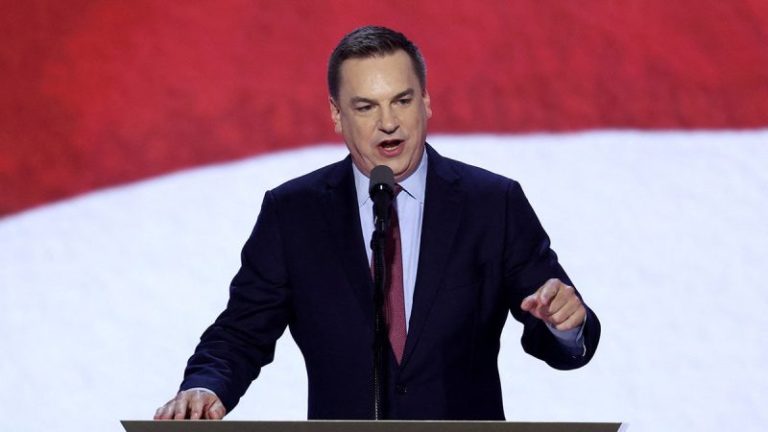
Rep. Richard Hudson, R-N.C., emphasized in an interview on Fox News’ ‘Fox and Friends’ that 13 of the 26 House Democrats they are targeting are in districts that ‘were carried by President Donald Trump in the last election.’

Hudson characterized the upcoming midterms as an ‘opportunity election for House Republicans.’

And Hudson, who is steering the House GOP’s campaign arm for a second straight cycle, added, ‘We are bullish. Republicans are on offense thanks to Donald Trump.’

The Democrats on the NRCC’s target list include Reps. Josh Harder (9th District), Adam Gray (13th), George Whitesides (27th), Derek Tran (45th), and Dave Min (47th) of California; Darren Soto (9th) and Jared Moskowitz (23rd) of Florida; Frank Mrvan (1st) of Indiana, Jared Golden (2nd) of Maine; Kristen McDonald Rivet (8th) of Michigan; Don Davis (1st) of North Carolina; Chris Pappas (1st) of New Hampshire; Nellie Pou (9th) of New Jersey; and Gabe Vasquez (2nd) of New Mexico.

Also on the list are Dina Titus (1st), Susie Lee (3rd) and Steven Horsford (4th) of Nevada; Tom Suozzi (3rd), Laura Gillen (4th) and Josh Riley (9th) of New York; Marcy Kaptur (9th) and Emilia Sykes (13th) of Ohio; Henry Cuellar (28th) and Vicente Gonzalez (34th) of Texas; Eugene Vindman (7th) of Virginia; and Marie Gluesenkamp Perez (3rd) of New Mexico.

The rival Democratic Congressional Campaign Committee (DCCC) recently released a list of what it considers its most vulnerable incumbents – known as Frontliners. 

Reps. Jahana Hayes of Connecticut, John Mannion of New York and Janelle Bynum of Oregon all made the DCCC list, but were not included on the NRCC list.

Meanwhile, Moskowitz, Pappas and Soto weren’t listed as Frontliners, but were included on the NRCC list. 

The DCCC, responding, pointed to their performance in last November’s elections when the Democrats took a small bite out of the GOP’s House majority.

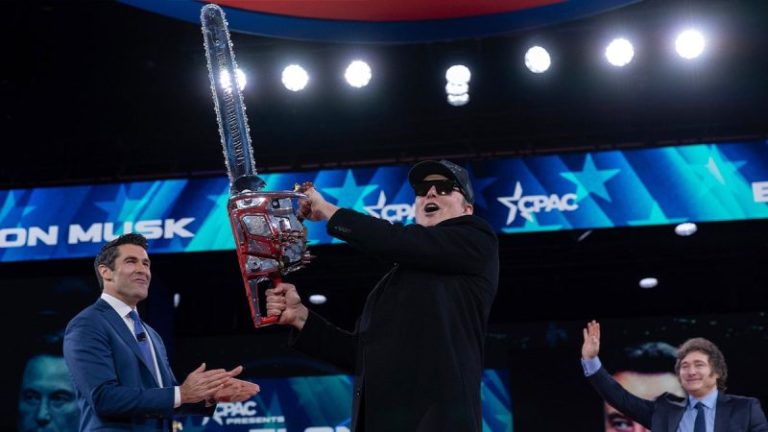
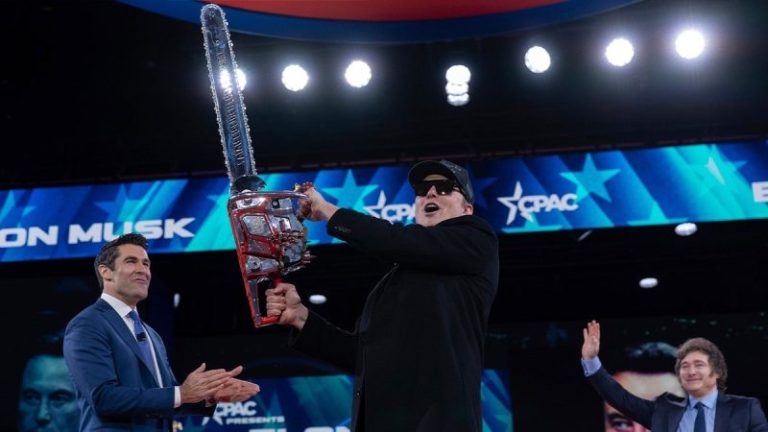
‘House Democrats overperformed across the country in 2024, powered by our battle-tested candidates who won despite the NRCC’s false bravado and these Frontliners will win again in the midterms,’ DCCC spokesperson Viet Shelton told Fox News Digital. ‘The truth is House Republicans are running scared and refusing to hold town halls because they don’t want to get yelled at for their failure to lower prices, bungling the economy, and cutting Medicaid in order to pay for tax breaks for billionaires like Elon Musk.’

This post appeared first on FOX NEWS

Americans like the idea of downsizing the federal government but are far from thrilled with how billionaire Elon Musk and the Department of Government Efficiency (DOGE) are carrying out cuts to the federal bureaucracy, according to new national polling.

President Donald Trump, after winning back the White House in last November’s election, created DOGE with marching orders to overhaul and downsize the federal government.

Trump named Musk, the world’s richest person and the chief executive of Tesla and SpaceX, to steer the organization.

DOGE has swept through federal agencies during the first two months of the Trump administration, rooting out what the White House argues was billions in wasteful federal spending. Additionally, it has taken a meat cleaver to the federal workforce, resulting in a massive downsizing of employees. The moves by DOGE grabbed tons of national attention and have triggered a slew of lawsuits in response.

American voters, by a 46%-40% margin in an NBC News poll conducted March 7-11 and released on Sunday, said creating DOGE was a good idea rather than a bad idea. 

However, when asked about their feelings towards DOGE, 47% of respondents held negative views, with 41% saying they saw DOGE in a positive light.

It is a similar story in a Reuters/IPSOS survey conducted March 11-12.

By a 59%-39% margin, Americans questioned in the poll said they supported downsizing the federal government.

However, 59% opposed the firing of tens of thousands of federal workers, with 38% supporting the moves by the Trump administration, and by a 50%-38% margin, they said Trump and Musk had gone too far in cutting federal spending.

Trump has repeatedly praised Musk for his efforts with DOGE, including during a primetime address earlier this month to a joint-session of Congress.

During an interview a week ago on Fox News’ ‘Sunday Morning Futures,’ Trump called Musk a ‘real patriot’ whose efforts have ‘opened a lot of eyes.’

However, Americans do not hold such rosy views of Musk, according to the surveys. Only 39% of those questioned in the NBC News poll had a positive view of Musk, with 51% holding a negative view.

He was underwater at 38% favorable and 59% unfavorable in the Reuters/Ipsos survey.

According to a Quinnipiac University national poll conducted March 6-10, 60% disapproved of the way Musk and DOGE are dealing with workers employed by the federal government, with only 36% approving.

The survey’s release noted that ‘54% of voters think Elon Musk and DOGE are hurting the country, while 40% think they are helping the country.’

A CNN poll conducted March 6-9 indicated that more than six in 10 thought the cuts by DOGE would go too far and that important federal programs would be shut down, with 37% saying the cuts wouldn’t go far enough in eliminating fraud and waste in the government.

It appears Trump is well aware of the negative reviews for Musk and DOGE.

Two weeks ago, Trump told the Cabinet secretaries that they, rather than Musk, would be in charge of department downsizing at their agencies.

In a social media post, Trump said they would use a ‘scalpel’ rather than a ‘hatchet’ in making government staffing cuts.

This post appeared first on FOX NEWS

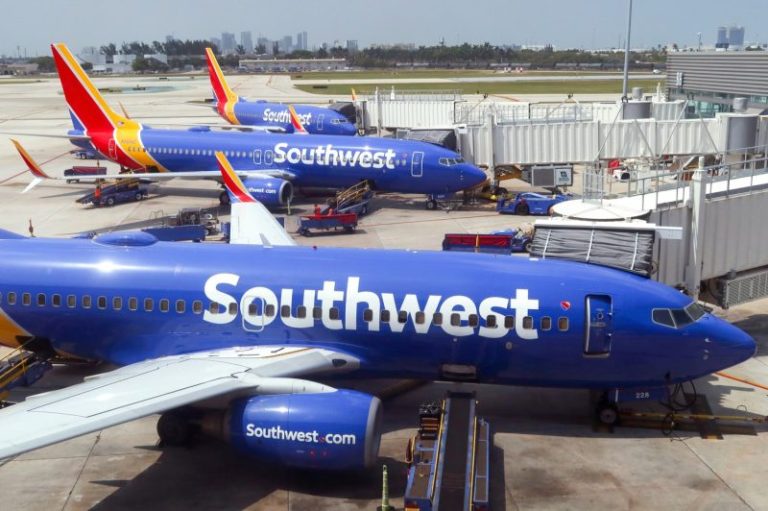
Almost nothing is guaranteed in life. Certainly not weather, electricity, health, tariffs or eggs. But for more than 50 years, American consumers could count on Southwest Airlines letting them check bags for free.

Dallas-based Southwest is ending the policy in May. Customers are not happy.

“It was the only reason I flew Southwest,” said MaKensey Kaye Alford, a 21-year-old singer and actress who lives near Birmingham, Alabama.

Alford, who is planning to move to New York City later this year, said she would “definitely” consider taking another airline now.

Southwest’s customer-friendly policies have survived recessions, oil price spikes and even the Covid-19 pandemic, winning it years of goodwill and a loyal following, even as it has grown. No other airline carries more people in the United States than Southwest.

Now, the airline with an unrivaled streak of profitability (its almost never posted an annual loss) is under pressure to increase profits as big competitors outpace the airline. So it’s backpedaling off of years of banishing the thought that they would charge customers for bags, adding to other business-model tweaks like assigned seating that give it more in common with all other airlines.

Errol Joseph, 36, a sales consultant who lives in New York and Dallas, said he would now consider flying on Delta Air Lines if the price is the same as Southwest because its planes have seatback screens, unlike Southwest. Joseph added that with baggage policy change, there’s “pretty much no reason to be loyal.”

The bag policy had been around longer than most women were able to get credit cards on their own without a man’s signature. But those days are over. No more freebies, America.

Retailers, restaurants and airlines are among the businesses that have been pulling back on free perks, from complimentary birthday coffees to free package returns, since the pandemic ended.

Increasingly, airline perks are only available for loyalty program members or customers who buy a more expensive ticket.

Delta offers customers free Wi-Fi on board, but only for those who have signed up for its SkyMiles loyalty program. United Airlines is making a similar move, meanwhile, installing equipment on its planes so customers can soon connect to Elon Musk’s Starlink satellite Wi-Fi for free if they are members of the airline’s MileagePlus program.

It typically takes real financial pressure for companies to return to giveaways, but it’s not unprecedented. Starbucks, for example, got rid of upcharges for dairy alternatives to attract customers to try to reverse a sales slump.

Southwest’s decision pits investors against customers.

Activist hedge fund and, as of last year, big Southwest shareholder Elliott Investment Management has been increasing pressure on the airline to raise its profits as rivals like Delta and United have pulled ahead. Elliott pushed for faster changes at the carrier, which has been long hesitant to change, so it could increase revenue. The firm last year won five board seats in a settlement with Southwest.

In fact, after Southwest unveiled the bag shift and other policy changes, its shares rose close to 9% this week, while Delta, United and American, each fell more than 11%. CEOs of all the carriers raised concerns about weaker-than-expected travel demand, but Southwest bucked the trend, as it expects the changes to add hundreds of millions of dollars to its bottom line.

“Shareholder activism is reshaping LUV into a company that we believe investors will eventually gravitate to,” wrote Seaport Research Partners airline analyst Dan McKenzie in a note Wednesday as he raised his price target on Southwest’s shares to $39 thanks to the policy changes even though “macro backdrop is glum.”

The decision to ditch the two-free-checked bags is part of the airline’s big profit-seeking makeover in which it is shedding other long-standing offerings like open-seating and single-class cabins for seat assignments and pricier extra legroom options.

It will also start offering a no-frills, no-changes basic economy ticket. Flight credits will also soon have expiration dates. Last month, Southwest had its first-ever mass layoff, cutting about 15% of corporate jobs. It has also slashed unprofitable flying.

Air travel hasn’t stood still over the last half century, and while it’s held onto many core tenets, neither has Southwest. It has gradually made changes over the years, starting to sell things like early boarding, for example. And with air travel breaking new records, assigned seating is necessary for both customers and to make the jobs of employees easier, Southwest executives have argued.

Charging for checked bags was something Southwest leaders repeatedly said would cost it more than it could make. (U.S. carriers brought in more than $7 billion in baggage fees in 2023.)

In a presentation at an investor day last September, Southwest said it would gain between $1 billion and $1.5 billion from charging for bags but lose $1.8 billion of market share.

Southwest executives said that’s changed.

Hours after breaking the news to customers, CEO Bob Jordan said at a JPMorgan industry conference on Tuesday that “in contrast to our previous analysis, actual customer booking behavior through our new booking channels such as metasearch, did not show that we are getting the same benefit from our bundled offering with free bags, which has led us to update the assumptions.”

Jordan added that the carrier has new executives with “direct experience implementing bag fees at multiple airlines, and that’s also helped further validate the new assumptions.”

But thousands joined in consumers’ cri de coeur.

Southwest posted on Instagram on Thursday, two days after its bombshell announcement, saying “It’s not like we traded Luka,” a nod to the shocking February trade of Dallas Mavericks superstar Luka Doncic to the Los Angeles Lakers. As of Friday afternoon, the post, which also included information about the change, got more than 14,000 replies, far more than couple of hundred responses the account usually gets.

“Taking a screen shot of this as it will be the thumbnail for the harvard business review case study of destroying a brand an entire company,” replied Instagram user rappid_exposure.

Frances Frei, a professor of technology and operations management at Harvard Business School, said that, indeed, no other company is likely as studied as Southwest.

“I sure hope this isn’t a case of activist investors coming in and insisting on a set of decisions that they won’t be around to have to endure,” she said. “Great organizations get built over time. It doesn’t take very long to ruin an organization, and I really don’t want this to be an example of that.”

Southwest’s two checked bags-fly-free policy officially ends May 28 but for now the slogan is still found on board, printed on cocktail napkins.

There will be exceptions: Customers who have a Southwest Airlines co-branded credit card can get one bag for free, and customers in its top tiers of service (read: pricier tickets) or its top-tier loyalty program members will get one to two free checked bags.

Whether customers abandon Southwest or are simply reacting to the change remains to be seen.

The CEOs of Delta, United and Spirit this week said they see an opportunity to win over customers who might turn away from Southwest.

Many travelers won’t have a lot of other options, however, with so much consolidation among U.S. carriers and stronghold hubs, though they might have to venture to other airports.

Southwest has a roughly 73% share at Baltimore/Washington International Thurgood Marshall Airport, a more than 83% share in San Francisco Bay Oakland International Airport, and 89% share in Long Beach, California, according to aviation-data firm Cirium.

The real test, Harvard’s Frei said, will be whether the bag change will slow down Southwest’s operation, with more customers bringing carry-on bags on board to avoid the checked luggage fees.

“I just fear the cost is being underestimated,” she said. “It’s real operational harm to Southwest if they go slower.”

Southwest is already preparing its employees for an onslaught of customer luggage at the gate.

Just after its announcement on Tuesday, Southwest told its employees in a memo that customers will “undoubtedly carry on more luggage than before.”

Gate agents will receive mobile bag-tag printers “reducing the need for string bag tags” and the company will design new carry-on size guides so customers can see if their luggage fits as a carry on, according to a staff memo sent by Justin Jones, EVP of operations, and Adam Decaire, senior vice president of network planning, a copy of which was seen by CNBC.

The airline also plans to speed up retrofits of its Boeing 737-800s and Max aircraft with bigger overhead bins.

Frei said not charging for bags, unlike the Costco $1.50 hot dog, is not a loss leader, something a company sells at a loss just to win over customers who might buy more expensive, and profitable, items.

As much as it’s been beloved by customers, the checked bag policy also had a helped the airline turn planes around faster.

“The reason isn’t because it’s kinder to customers. It’s because it’s a fast turnaround airline,” she said. “If I charge for bags, you will be more likely to carry more luggage on board. And when you carry more luggage on board, I lose my fast turnaround advantage.”

Southwest is confident that it’s prepared for an increase in gate-checked bags and onboard luggage.

“We have a series of work streams that are underway with our with our current operations, to make this not impact our turn times,” COO Andrew Watterson said in an interview.

Time will tell how it shakes out. For now, we have the $1.50 Costco hot dogs.

This post appeared first on NBC NEWS

The selection committee blew it.

Not by putting UCLA as the overall No. 1 seed over South Carolina. That was the right call because of their head-to-head matchup, regardless of what Dawn Staley says.

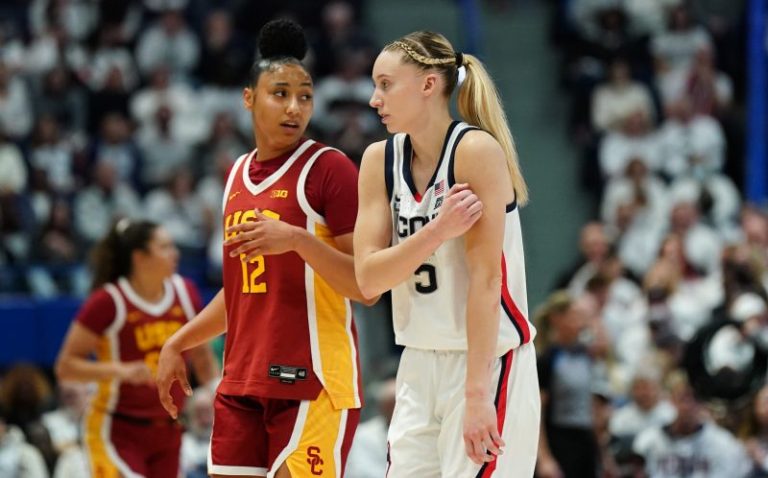
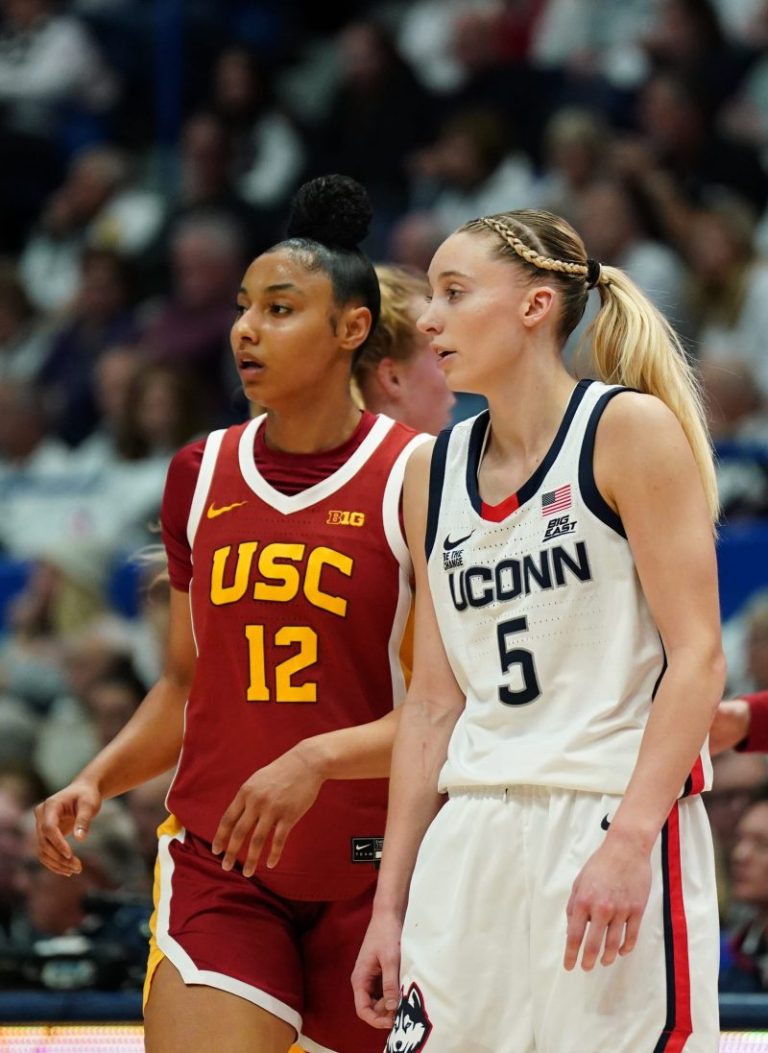
No, where the committee erred was in making USC the No. 1 seed and UConn the No. 2 seed in the Spokane 4 regional, setting JuJu Watkins and Paige Bueckers on a collision course that would end short of the Final Four. Just like last year.

‘There was no consideration of that,’ Derita Dawkins, who is the chair of the selection committee, said Sunday night after the 68-team bracket was announced.

Well, there should have been.

Interest in women’s basketball has skyrocketed the last few years in large part because of star players who appeal to both the diehard and casual fans. There’s a legion of new women’s basketball fans because Caitlin Clark knocked down 3s like she was playing Pop-a-Shot on her way to breaking Pete Maravich’s all-time major college basketball scoring record last year. There’s also a considerable number who got hooked because Angel Reese kept popping up on their TVs.

With Clark and Reese now in the WNBA, it’s Watkins and Bueckers who have taken center stage. And the appetite for them is huge. When they played in December, a 72-70 USC win, 2.23 million tuned in to watch the game on Fox. It was the most-watched women’s basketball game this season.

Both Watkins and Bueckers have incredibly high basketball IQs, and can flip a game in an instant. (Just ask UCLA and South Carolina.) They’re exciting to watch and it’s a given they will make at least one, jaw-dropping play each game.

But you don’t have to be a hoophead to be captivated by them.

Watkins has a commercial portfolio to rival any big-name athlete — her State Farm commercial is already on heavy rotation and Fanatics announced Friday that Watkins was the first female athlete to sign an exclusive deal with them — and little girls sporting the ‘JuJu bun” have been a fixture at home and road games all season. Bueckers has a standing invite to the ESPYs, and her back-and-forths with UConn coach Geno Auriemma are comedic gold that will lead SportsCenter at some point during the tournament.

To have them meet in a game that isn’t even in the Final Four is a waste of a ratings goldmine. Again, see the numbers for that December game. Not to mention squandering what is likely to be one of the best games of the tournament, a chance to showcase why the women’s game is a growth stock these days.

‘I never thought I’d be a 1 seed and feel disrespected. But I thought the committee — I thought there was very little chance we’d be the (fourth) No. 1. You tell me if you think the bracket we got should have been the one that it was,” USC coach Lindsay Gottlieb said.

‘It’s not an arrogance of any kind. I think there’s a lot of really good teams, and you’ve got to play the first game in front of you and earn your way from there and that’s what we’ll do,” Gottlieb added. ‘But sometimes I don’t understand people who make decisions in women’s basketball and why they do what they do. And certainly with this committee, I’d love to ask some questions.”

Dawkins, who is the assistant vice chancellor and deputy athletics director at Arkansas, said the committee made Texas the third No. 1 seed over USC because it felt the Longhorns were more competitive in their one game against a common opponent, Notre Dame. USC’s worst loss, to Iowa, was also worse than Texas’ worst loss, to Notre Dame, Dawkins said.

But there comes a point when subjectivity enters into the committee’s decisions. The men’s selection committee knows that.

Oh, they won’t admit to tweaking the brackets to get games that will draw eyeballs. But come on. Rick Pitino starting the tournament in Providence? And possibly facing John Calipari in the second round? That doesn’t happen by accident.

There was a case to be made for making Southern California the third No. 1 seed. Two wins over UCLA, both of them decisive, along with that win over UConn. The loss to Iowa being on the road. There also was a case to be made for making UConn a No. 1 seed rather than Texas. That thumping of South Carolina last month. At South Carolina, no less. Ten consecutive wins, all by double figures. The Huskies’ No. 1 NET ranking.

Point being, the committee could have seeded USC and UConn in a way that would have been good for fans, good for ratings and, most importantly, good for women’s basketball. Instead, it lacked vision.

Sometimes, the people holding women’s sports back most are the very people who are supposed to be championing them.

Follow USA TODAY Sports columnist Nancy Armour on social media @nrarmour.

This post appeared first on USA TODAY

Surprise, praise and criticism — mainly from South Carolina — came swiftly on Selection Sunday, the unofficial start of March Madness.

The field of 68-teams for the 2025 women’s NCAA Tournament was unveiled, with UCLA earning the No. 1 overall seed in the tournament.

‘I’m a little bit surprised because we manufactured our schedule and put ourself in a position to be the No. 1 overall seed. I do think if you do the blind test and you put our resume against any other team in the field, I think you will pick us. It’s plain and simple,’ South Carolina head coach Dawn Staley said Sunday.

South Carolina, Texas and USC also earned No. 1 seeds for the NCAA Tournament, which officially starts this week.

BRACKET REVEAL: Women’s March Madness bracket reveal live updates here

SURVIVOR POOL: Free to enter. $2,500 to win. Can you survive the madness?

The Final Four will be played in Tampa, Florida, with semifinal games April 4 (7 p.m. and 9:30 p.m. ET). The championship game will tip off April 6 (3 p.m. ET). ABC will broadcast the title game for the third consecutive year.

Here’s everything you need to know about the 2025 women’s NCAA Tournament, including a breakdown of each region, the best first-round games, players to watch and the first four out. For a printable bracket, click here.

SPOKANE REGION 1

No. 1 UCLA vs. UC San Diego/Southern winner 
No. 8 Richmond vs. No. 9 Georgia Tech 
No. 5 Ole Miss vs. No. 12 Ball State 
No. 4 Baylor vs. No. 13 Grand Canyon 
No. 6 Florida State vs. No. 11 George Mason 
No. 3 LSU  vs. No. 14 San Diego State 
No. 7 Michigan State vs. No. 10 Harvard 
No. 2 NC State vs. No. 15 Vermont 

Will this be the season UCLA women’s basketball finally breaks through and advances to the Final Four? The Bruins have advanced as far as the Elite Eight twice (1999, 2018) and Sweet Sixteen nine times, most recently last season, but have never played the final weekend. UCLA only dropped two games this season, both to crosstown rival USC, but the Bruins got their revenge in the Big 10 Championship game, overcoming a 13-point deficit to defeat the Trojans to reclaim the No. 1 seed in the latest USA TODAY Sports Coaches Poll and No. 1 overall seed in the NCAA Tournament.

BEST FIRST-ROUND GAME: No. 3 LSU vs. No. 14 San Diego State: The Tigers have limped to the NCAA Tournament with stars Flau’Jae Johnson and Aneesah Morrow both dealing with lingering injuries. (Both were wearing boots during the Selection Sunday broadcast). San Diego State has no Quad 1 wins this season, but they are streaking and enter the NCAA Tournament on an eight-game winning streak.

BIRMINGHAM REGION 2

No. 1 South Carolina vs. No. 16 Tennessee Tech 
No. 8  Utah vs. No. 9 Indiana 
No. 5 Alabama  vs. No. 12 Green Bay 
No. 4 Maryland vs. No. 13 Norfolk State 
No. 6 West Virginia vs. No. 11 Columbia/Washington winner 
No. 3 North Carolina vs. No. 14 Oregon State 
No. 7 Vanderbilt vs. No. 10 Oregon 
No. 2 Duke vs. No. 15 Lehigh 

South Carolina has been the top overall seed of the NCAA Tournament every year since 2021, until now. The defending champions still earned a No. 1 seed, but based on the looks of their watch party, they aren’t happy about it. The Gamecocks may have “earned” the No. 1 seed in the SEC tournament by way of a coin flip, but South Carolina showed their place at the top was no fluke. South Carolina handedly defeated Texas in the conference championship to win its third straight SEC title following a big game from tournament MVP Chloe Kitts, who is red-hot heading into March Madness. The Gamecocks have won seven consecutive games since a blowout loss to UConn on Feb. 16 and are looking to keep the momentum going to win their fourth NCAA tournament championship in eight years.

BEST FIRST-ROUND GAME: No. 1 South Carolina vs. No. 16 Tennessee Tech: Tennessee Tech will be tasked with slowing down a South Carolina team that has a little bit of extra motivation after being snubbed for the No. 1 overall seed. The Gamecocks will come out and make a statement. You won’t want to miss.

BIRMINGHAM REGION 3

No. 1 Texas vs. No. 16 High Point/Washington winner 
No. 8 Illinois vs. No. 9 Creighton 
No. 5 Tennessee vs. No. 12 South Florida 
No. 4 Ohio State vs. No. 13 Montana State 
No. 6 Michigan vs. No. 11 Iowa State/Princeton winner 
No. 3 Notre Dame vs. No. 14 Stephen F. Austin 
No. 7 Louisville vs. No. 10 Nebraska 
No. 2 TCU vs. No. 15 Farleigh Dickinson 

Texas was the No. 1 team in the USA TODAY Sports Coaches Poll on March 4, but the Longhorns’ disappointing loss in the SEC championship game to South Carolina their second loss to South Carolina this season knocked Texas down a couple of pegs. The selection committee still rewarded the Longhorns with a No. 1 seed, but their path to their first NCAA women’s basketball championship since 1986 just got that much more difficult with Notre Dame and TCU in their bracket. Texas lost to Notre Dame in December, but the Fighting Irish have struggled as of late, ending the regular-season on a two-game skid and faltering late in the ACC tournament. But you can’t count out Notre Dame’s elite backcourt, powered Olivia Miles and Hannah Hidalgo; and don’t forget TCU’s duo of Hailey Van Lith and Sedona Prince.

BEST FIRST-ROUND GAME: No. 7 Louisville vs. No. 10 Nebraska: Louisville fell to Duke in the ACC quarterfinals, but the Cardinals beat the Blue Devils in February and have an impressive win against Florida State. Nebraska, however, has more Quad 1 wins (4-10) than Louisville (2-9) this year and will be on upset watch.

SPOKANE REGION 4

USC got the best of its crosstown rival and top overall seed UCLA in both of their regular-season matchups, and despite falling in the Big Ten tournament final, the Trojans have a formidable resume. USC has arguably the best player in college basketball in Juju Watkins, who has been rewriting the history books. Can Watkins lead USC to its first NCAA title since 1984? The Trojans will have to go through the UConn Huskies, again. The Huskies, led by Paige Bueckers, ousted the Trojans in the Elite Eight last year, but USC defeated UConn in December.

No. 1 USC vs. No. 16 UNC Greensboro 
No. 8 California  vs. No. 9 Mississippi State
No. 5 Kansas State vs. No. 12 Fairfield 
No. 4 Kentucky vs. No. 13 Liberty 
No. 6 Iowa vs. No. 11 Murray State 
No. 3 Oklahoma vs. No. 14 Florida Gulf Coast 
No. 7 Oklahoma State vs. No. 10 South Dakota State 
No. 2 UConn vs. No. 15 Arkansas State

BEST FIRST-ROUND GAME: No. 8 California vs. No. 9 Mississippi State: Cal lost to Notre Dame in the ACC tournament semifinal, but the Bears will look to bounce back against Mississippi State. The 8-9 games are always toss-ups and this one could be no different as has three Quad 1 wins this season.

First Four Out

The First Four out of the 2025 women’s NCAA Tournament are, in alphabetical order, Colorado, James Madison, Saint Joseph’s and Virginia Tech.

2025 women’s First Four schedule

All times Eastern

Wednesday, March 19

No. 11 Iowa State vs. No. 11 Princeton, 7 p.m. | ESPNU
No. 16 UC San Diego vs. No. 16 Southern, 9 p.m. | ESPN U

Thursday, March 20

No. 11 Columbia vs. No. 11 Washington, 7p.m. | ESPN2
No. 16 High Point vs. No. 16 William & Mary, 9 p.m. | ESPN2

2025 women’s NCAA Tournament schedule

First round: March 21-22
Second round: March 23-24 
Sweet 16: March 28-29 
Elite Eight: March 30-31
Final Four: Friday, April 4, 7:00 and 9:30 p.m. ET (ESPN)  
NCAA championship game: Sunday, April 6, 3 p.m. ET (ABC)

The USA TODAY app gets you to the heart of the news — fastDownload for award-winning coverage, crosswords, audio storytelling, the eNewspaper and more.

This post appeared first on USA TODAY

President Donald Trump said the U.S. Supreme Court may need to decide if a Clinton-appointed judge can require the administration to reinstate thousands of probationary workers fired as the administration moves to shrink the federal workforce.

‘It’s a judge that’s putting himself in the position of the president of the United States, who was elected by close to 80 million votes,’ Trump said aboard Air Force One on a flight back to Washington Sunday night. ‘That’s a very dangerous thing for our country. And I would suspect that we’re going to have to get a decision from the Supreme Court.’

U.S. District Judge William Alsup, issued the order last week during a federal court hearing in San Francisco on a lawsuit brought by labor unions and other organizations challenging the mass firings ordered by the Office of Personnel Management (OPM).

‘And that’s a very dangerous decision for our country, because these are people in many cases, they don’t show up for work. Nobody even knows if they exist. And a judge wants us to pay them, even if they don’t know they exist and if they exist,’ Trump said. ‘And I don’t think that’s going to be happening. But we’ll have to say you have to speak to the lawyers about that.’

Shortly after Alsup’s order, a second judge – appointed by former President Barack Obama – also issued a ruling ordering the Trump administration to rehire the fired workers. In Baltimore, U.S. District Judge James Bredar, ruled the firings should cease for two weeks while the federal workforce returns to its previous regulations, arguing the Trump administration ignored procedures for mass layoffs. 

Trump, calling the order ‘absolutely ridiculous,’ ordered the mass layoffs across six government agencies: the Departments of Veterans Affairs, Agriculture, Defense, Energy, Interior and Treasury. The Trump administration has already filed an appeal to the order, arguing that states have no standing to influence the federal government’s relationship with its employees. Trump’s attorneys contend the layoffs were performance-related, not subject to the regulations governing large-scale reductions. 

Probationary workers – employees who are still within their initial trial period of employment – have been the target of the layoffs since they’re typically new to the job and lack certain civil protection benefits offered to government employees. Several lawsuits have already been filed over the mass firings.

The Trump administration’s lawyers find themselves busy as more than 100 lawsuits have been filed against Trump’s orders since he took office in January. Trump has already filed an emergency petition last week in the high court asking justices to allow parts of his executive order restricting birthright citizenship to take effect while other legal battles in the states play out.

This post appeared first on FOX NEWS

Americans like the idea of downsizing the federal government but are far from thrilled with how billionaire Elon Musk and the Department of Government Efficiency (DOGE) are carrying out cuts to the federal bureaucracy, according to new national polling.

President Donald Trump, after winning back the White House in last November’s election, created DOGE with marching orders to overhaul and downsize the federal government.

Trump named Musk, the world’s richest person and the chief executive of Tesla and SpaceX, to steer the organization.

DOGE has swept through federal agencies during the first two months of the Trump administration, rooting out what the White House argues was billions in wasteful federal spending. Additionally, it has taken a meat cleaver to the federal workforce, resulting in a massive downsizing of employees. The moves by DOGE grabbed tons of national attention and have triggered a slew of lawsuits in response.

American voters, by a 46%-40% margin in an NBC News poll conducted March 7-11 and released on Sunday, said creating DOGE was a good idea rather than a bad idea. 

However, when asked about their feelings towards DOGE, 47% of respondents held negative views, with 41% saying they saw DOGE in a positive light.

It is a similar story in a Reuters/IPSOS survey conducted March 11-12.

By a 59%-39% margin, Americans questioned in the poll said they supported downsizing the federal government.

However, 59% opposed the firing of tens of thousands of federal workers, with 38% supporting the moves by the Trump administration, and by a 50%-38% margin, they said Trump and Musk had gone too far in cutting federal spending.

Trump has repeatedly praised Musk for his efforts with DOGE, including during a primetime address earlier this month to a joint-session of Congress.

During an interview a week ago on Fox News’ ‘Sunday Morning Futures,’ Trump called Musk a ‘real patriot’ whose efforts have ‘opened a lot of eyes.’

However, Americans do not hold such rosy views of Musk, according to the surveys. Only 39% of those questioned in the NBC News poll had a positive view of Musk, with 51% holding a negative view.

He was underwater at 38% favorable and 59% unfavorable in the Reuters/Ipsos survey.

According to a Quinnipiac University national poll conducted March 6-10, 60% disapproved of the way Musk and DOGE are dealing with workers employed by the federal government, with only 36% approving.

The survey’s release noted that ‘54% of voters think Elon Musk and DOGE are hurting the country, while 40% think they are helping the country.’

A CNN poll conducted March 6-9 indicated that more than six in 10 thought the cuts by DOGE would go too far and that important federal programs would be shut down, with 37% saying the cuts wouldn’t go far enough in eliminating fraud and waste in the government.

It appears Trump is well aware of the negative reviews for Musk and DOGE.

Two weeks ago, Trump told the Cabinet secretaries that they, rather than Musk, would be in charge of department downsizing at their agencies.

In a social media post, Trump said they would use a ‘scalpel’ rather than a ‘hatchet’ in making government staffing cuts.

This post appeared first on FOX NEWS