This coming weekend, 257 players will be selected in the 2025 NFL Draft. Hundreds of college players will see their careers continue on in the highest level of the sport. Many more also will sign after the draft as undrafted free agents.
This year’s draft class is marked by just a couple of blue-chip players: Colorado cornerback/wide receiver Travis Hunter and Penn State edge rusher Abdul Carter. Beyond that, there aren’t many top-tier prospects but a substantial number of starting-caliber players. The quality of players on Day 2 will likely be the best in recent draft history.
Defensive line is the top position in the class, both on the interior and at edge rusher. More than a quarter of the top 100 picks could be from those positions alone. This year’s running back group is the best of the last decade with a top talent in Ashton Jeanty and dozens of draft-worthy prospects
Tight end and guard should be deep positions in the class as well.
It might be hard to get a good picture of the prospect hierarchy in the 2025 NFL draft. That’s where we come in with our latest big board rankings. This time around includes 200 total players with scouting briefs for the top half of the board:
NFL draft big board: Top 200 players
Position key notes:
Hybrid position players Travis Hunter and Jalon Walker did not receive a position rank.
OL = may play guard or offensive tackle in the NFL.
IOL = may play guard or center in the NFL.
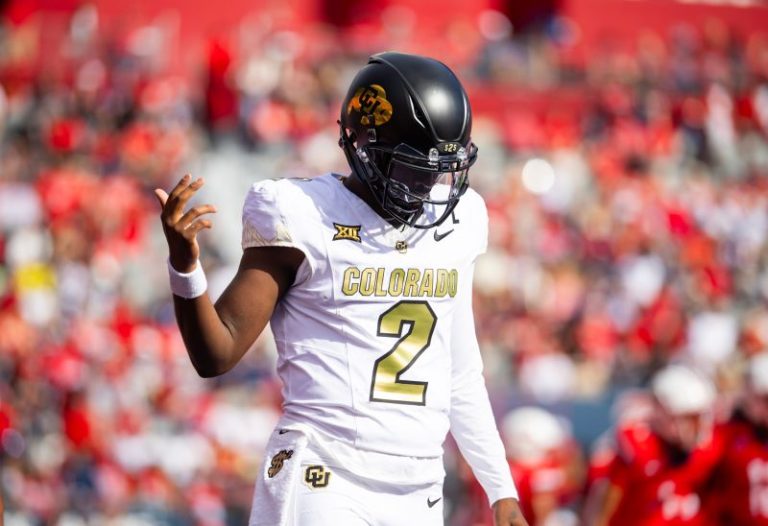
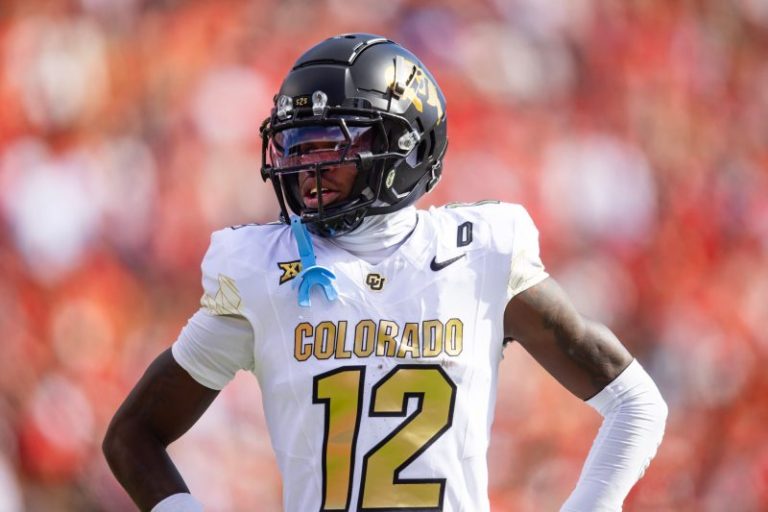
1. Travis Hunter, CB/WR, Colorado
A true unicorn in modern NFL draft history. Legitimate No. 1 corner and wide receiver prospect with length, athleticism, playmaking, and football IQ to be a difference-maker at either position sooner than later. Will likely start out on defense due to adjustment needed at wide receiver for the NFL game.
2. Abdul Carter, Edge, Penn State
Position rank: 1
Carter has elite traits as a former off-ball linebacker still learning the position. He’s a long, explosive athlete who could become a double-digit sack threat within his rookie contract. A creative defensive coordinator will love deploying him in multiple ways.
3. Ashton Jeanty, RB, Boise State
Position rank: 1
Generational contact balance is Jeanty’s calling card. He’s a true bell-cow running back who churns out yards and wears down defenses with his vision, patience and low center of gravity. He started his football career as a wide receiver and can showcase that more in the NFL.
4. Will Campbell, OT, LSU
Position rank: 1
Campbell’s arms and wingspan are shorter than desired, but he is a rare athlete at the position with the footwork, heavy hands, attitude and play strength to potentially stick at tackle in the NFL. High character player who commanded respect in the locker room.
5. Mason Graham, DT, Michigan
Position rank: 1
Graham’s low leverage and wrestling background make him a nightmare in the middle against the run. He weighed in lighter and measured in with short arms at the combine, which could limit his ceiling in the NFL, but there’s too much outstanding film for him to fall very far in this class.
6. Malaki Starks, S, Georgia
Position rank: 1
Starks’ versatility, football IQ and commitment against the run make him a top talent, regardless of position. He didn’t test well at the combine, but his flashes for one of the best defenses in the country are undeniable.
7. Armand Membou, OT, Missouri
Position rank: 2
Membou’s a rare athlete in the same caliber as Tristan Wirfs, based on his combine numbers. He has the elite tools teams look for and the attitude to finish blocks, but needs some refinement with his hand usage. There will be some concerns that he only lined up on the right side in college.
8. Will Johnson, CB, Michigan
Position rank: 1
Johnson’s 2023 tape was outstanding and he projects as an ideal outside cornerback in the NFL with a mix of athleticism, ball skills and technique. He dropped off in 2024 and suffered a season-ending injury that might have teams concerned about when to take him.
9. Mykel Williams, Edge, Georgia
Position rank: 2
Williams played hurt in 2024, but had outstanding flashes, especially against Texas. His comically long arms, big frame and power will endear him to evaluators, but he needs to refine his technique.
10. Shemar Stewart, Edge, Texas A&M
Position rank: 3
Stewart is a rare athlete for the position with a long, explosive frame that lit up the NFL combine, but the college production wasn’t there. He often got pressures but had just 4.5 sacks in his college career. NFL teams draft on traits, though, and he has a lot to like.
11. Jahdae Barron, CB, Texas
Position rank: 2
Barron was a versatile piece on the Longhorns’ defense who lined up all over the secondary. His ball skills, attitude, and football IQ are among the best in the class. He tested much better than expected at the combine. Teams might look past him due to his smaller frame (5-foot-11) and shorter arms, which could keep him at nickel-only in the NFL.
12. Jalon Walker, LB/Edge, Georgia
Walker legitimately could line up as an edge rusher or off-ball linebacker in the NFL with his elite athleticism, burst and long frame. It’ll be up to an NFL team to judge how best to use him.
13. Tyler Warren, TE, Penn State
Position rank: 1
Warren won the John Mackey Award in 2024 for good reason as Penn State used him all over the formation. He’s a playmaker with surprising athleticism for his 6-foot-6, 260-pound frame with the demeanor to block in the run game, as well.
14. Tetairoa McMillan, WR, Arizona
Position rank: 1
McMillan isn’t a deep threat, but wins with his outstanding catch radius at 6-foot-4, route running and body control. He’s a fluid athlete who compares well to Atlanta Falcons wide receiver Drake London.
15. Kelvin Banks Jr., OT, Texas
Position rank: 3
Banks is a very good pass blocker already with his feet and hand usage. He boasts a big frame at 6-foot-5 and 315 pounds with long arms. He could end up at guard if teams are concerned about his balance and ability to deal with power rushers.
16. Cam Ward, QB, Miami
Position rank: 1
Ward’s electric playmaking gives him a high ceiling in the NFL, but he’ll need to iron out his risk-taking. His arm is one of the strongest in the class and he consistently improved at each stop in college.
17. Colston Loveland, TE, Michigan
Position rank: 2
Loveland’s mix of size (6-foot-6, 248 pounds) and athleticism fit better in the NFL than in college. He’s an experienced route runner who can create mismatches against defenses. He likely won’t be a plus blocker one-on-one in the run game but has the floor to contribute in that way.
18. Matthew Golden, WR, Texas
Position rank: 2
Golden’s combine performance has him in a new tier among the wide receiver class. He’s an ideal No. 2 wideout in an offense thanks to his speed, route running, verticality and ball tracking on deep passes.
19. Mike Green, Edge, Marshall
Position rank: 4
Green put up ridiculous numbers at Marshall with his fluid athleticism, pass-rush moves, awareness and bend. He’s less effective against the run, but his violent playing style affects the play even if he doesn’t finish it. He might fall due to off-field concerns.
20. Josh Simmons, OT, Ohio State
Position rank: 4
Simmons would’ve been a top-10 pick if not for a knee injury in 2024. Prior to that, he had exceptionally clean tape in the Big Ten. His body control and footwork at an athletic 6-foot-5 give him the tools to be a long-term starter in the NFL.
21. Emeka Egbuka, WR, Ohio State
Position rank: 3
Egbuka is yet another impressive slot receiver prospect from Columbus. His crisp route running, after-catch potential and reliable hands are reminiscent of fellow Buckeye Jaxon Smith-Njigba.
22. Walter Nolen, DT, Ole Miss
Position rank: 2
Nolen’s size (6-foot-4, 300 pounds) and burst off the ball make him a tough matchup one-on-one. He needs to refine his technique to maximize his tools, but he’s got plenty of upside.
23. Luther Burden III, WR, Missouri
Position rank: 4
Burden projects as a playmaking slot receiver with the burst to get chunk yards after catch. He’s built like a running back with reliable hands, but lacks experience on the outside. A creative offensive play-caller will enjoy getting him the ball in space and he has immediate potential as a returner.
24. James Pearce Jr., Edge, Tennessee
Position rank: 5
Pearce was one of the most productive edge rushers in the SEC behind his ridiculous burst, length and athleticism. His lean frame might struggle against the run setting the edge but the effort to chase down runners is there. Character questions might drop him down the board.
25. Nick Emmanwori, S, South Carolina
Position rank: 2
Emmanwori is built like a linebacker, but is one of the best athletes in the class. He’s excellent in zone coverage with good ball skills and is a reliable tackler against the run. He’ll need to reel in some of his physicality in the NFL to avoid penalties, but brings experience all over the formation.
26. Shavon Revel Jr., CB, East Carolina
Position rank: 3
Revel had his final year cut short but offers a rare mix of elite speed and a long frame. Despite his leaner frame, Revel dishes out hard hits in run defense. He’ll need to rein in his grabby tendencies in coverage at the NFL level.
27. Jihaad Campbell, LB, Alabama
Position rank: 1
Campbell is an ideal modern linebacker with a mix of size (6-foot-3, 233 pounds), speed and explosiveness. He played off-ball at Alabama, but teams might use him more at edge in the NFL. In either case, he’s a thumping hitter in run defense with coverage skills. There are concerns about a shoulder injury that could drop him down the order.
28. Shedeur Sanders, QB, Colorado
Position rank: 2
Sanders has the highest floor of any passer in the class thanks to his accuracy, timing, poise and toughness. His physical traits are average and will limit his ceiling in the NFL, but he could be a Day 1 starter and provide a great baseline for an offense needing quarterback stability.
29. Derrick Harmon, DT, Oregon
Position rank: 3
Harmon’s built big with a 6-foot-4 frame and nearly 35-inch long arms. That means he could realistically line up at multiple spots on the line in the NFL with the burst, strength and power to be a difference maker. But he can be tight moving side-to-side and his pad level is high at times.
30. Donovan Ezeiruaku, Edge, Boston College
Position rank: 6
Ezeirauku is the most NFL-ready pass rusher in a deep edge class. He’s slightly undersized at 6-foot-2 and 248 pounds, but his long arms and bend give him an advantage. He’ll be a contributor immediately who doesn’t rely solely on physical gifts to win off the edge.
31. Omarion Hampton, RB, North Carolina
Position rank: 2
Hampton is next-best in a deep running back class thanks to his mix of size, speed, explosiveness, footwork and vision. He’s a proven receiver out of the backfield as well. He took on a lot of contact in college and he will likely have to change that attitude to last in the NFL.
32. Nic Scourton, Edge, Texas A&M
Position rank: 7
Scourton’s not as athletic as teammate Shemar Stewart, but he was far more productive thanks to his high motor and variety of NFL-ready pass rush moves. He won’t overpower blockers but will set the edge and hustle hard in against the run.
33. Donovan Jackson, OL, Ohio State
Position rank: 1
Jackson was a career guard at Ohio State before Josh Simmons’ injury forced him out to tackle. He was more than capable at it as the Buckeyes won a national title. His movement skills and length at 6-foot-4 and 315 pounds means he could potentially make it at tackle in the NFL. If not, he’d likely be the top guard in the class.
34. Kenneth Grant, DT, Michigan
Position rank: 4
Mason Graham gets the headlines but Grant is an impressive athlete given his long, 331-pound frame. He has the tools to be a pass rusher, but didn’t put it together in college. If he can improve his consistency and develop better pass-rush technique, he could be a plus starter sooner than later.
35. Josh Conerly Jr., OL, Oregon
Position rank: 2
Conerly’s measurables at the combine (6-foot-5, 311 pounds) and 2023 tape show he could stay at tackle in the NFL. His 2024 tape wasn’t as good, but he still is one of the more athletic players at the position. He might end up at guard with the experience to kick out to tackle in a pinch.
36. Azareye’h Thomas, CB, Florida State
Position rank: 4
Thomas is all about tools with a 6-foot-2, 197-pound frame and very long arms. He excels in press coverage with his imposing size and physicality with fluid movement skills. His ball skills were lacking slightly compared to the rest of the class and he’ll need to improve his body control and discipline in coverage.
37. Tyleik Williams, DT, Ohio State
Position rank: 5
Williams is built to play the run well already at 6-foot-3 and 334 pounds with violent hands and good feet. He’s an explosive athlete with pass-rush upside but he’s yet to fully unlock that. He needs to improve his consistency and hand usage in pass-rush scenarios to maximize his power and burst.
38. Grey Zabel, IOL, North Dakota State
Position rank: 1
Zabel played tackle in college, but projects best inside at either guard or center. He’s a mauler off the line with great reaction against defenders thanks to his mobility, even when engaged in blocks. He’s built a bit leaner at 6-foot-6 and 312 pounds but his impressive athleticism should be an asset on the interior.
39. Quinshon Judkins, RB, Ohio State
Position rank: 3
Judkins’ explosiveness was on full display at the combine after showing up in his 2024 tape. He forces missed tackles with his burst and strong frame and he’s a proven receiver out of the backfield. His lack of top speed might drop him down some boards as he isn’t likely a home-run hitter in the NFL.
40. Jonah Savaiinaea, OL, Arizona
Position rank: 3
Savaiinaea’s strong showing at the combine and arm length in a 6-foot-4, 324-pound frame lend credence that he could potentially line up at tackle in the NFL given his experience in college and heavy anchor. His foot speed might ultimately hold him back, though, and make him a career guard. Still, his size and burst should be a major asset, especially in the run game.
41. Maxwell Hairston, CB, Kentucky
Position rank: 4
Hairston’s blazing 4.28-second 40-yard dash at the combine bodes well for him in the NFL considering his smaller stature at 5-foot-11 and 183 pounds. His ball skills (six INTs, 10 passes defensed in two years) are impressive and he can fit in man or zone schemes. He might get bullied by bigger receivers at times, though.
42. TreVeyon Henderson, RB, Ohio State
Position rank: 4
Henderson’s speed on the outside makes him a burner, but there are concerns about his durability after injuries in 2022 and 2023 as the lead back at Ohio State. He’s a capable pass-catcher with an impressive zero fumbles in his college career, as well.
43. Trey Amos, CB, Ole Miss
Position rank: 6
Amos is a long cornerback with the size (6-foot-1, 195 pounds) and foot speed to excel in press as well as zone coverage. His length comes up big on contested catches and his reaction is ideal for his size. He’s lacking as a tackler and can be aggressive sometimes in coverage, which could result in more flags at the NFL level.
44. Jayden Higgins, WR, Iowa State
Position rank: 5
Higgins is a big-bodied receiver with an excellent mix of speed and jump-ball ability in his long frame. He ran a limited route tree at Iowa State, but can create mismatches by using his imposing frame, body control and natural hands. He’s not a burner and not a proven creator after the catch.
45. Darius Alexander, DT, Toledo
Position rank: 6
Alexander’s performances at the Senior Bowl and combine have improved his NFL outlook. He’s a loose mover at 6-foot-4 and 305 pounds with some of the longest arms in the class. His twitchy athleticism and length means he can move around the line depending on the scheme. If he can improve his consistency and pad level, he could be one of the better DTs in a loaded class.
46. Aireontae Ersery, OL, Minnesota
Position rank: 4
Ersery’s big frame (6-foot-6, 331 pounds) boasts power and quickness to stick in the NFL. His movement skills laterally bode well for tackle at the NFL considering his shorter arms, but he needs to improve his balance, hand placement and timing to stick at tackle. If not, he’ll be a mountain of a guard.
47. Benjamin Morrison, CB, Notre Dame
Position rank: 7
Morrison had his 2024 season cut short with a hip injury, but offers ideal size, good technique in zone coverage and fantastic ball skills at outside corner. His linear speed is impressive, but doesn’t translate well in the open field. He needs to improve in man coverage and run support.
48. Elijah Arroyo, TE, Miami
Position rank: 3
Arroyo is an impressive athlete at 6-foot-5 and 250 pounds but knee injuries affected two of his college seasons. His soft hands and awareness on routes will translate well to the NFL. He’s a threat after the catch but not a tackle-breaker due to his high-cut frame. Medicals might take him off the board for multiple teams.
49. Landon Jackson, Edge, Arkansas
Position rank: 8
Jackson’s combine performance pushed him to fringe first-round status after a remarkable showing in the jumps for his size (6-foot-6, 264 pounds). His high motor and unusual movement can create problems for blockers. His lack of bend will limit him at the NFL level, but he’ll make up for it as a starting-caliber player.
50. Xavier Watts, S, Notre Dame
Position rank: 3
Watts moved to safety for his last two years in college and thrived with 13 interceptions in that span. His background as a wide receiver helps his ball skills and route recognition. He’s a good athlete with good size at 6-foot and 204 pounds. His instincts and allergy to penalties make up for his lack of proven man-coverage ability and top-end speed.
51. Carson Schwesinger, LB, UCLA
Position rank: 2
Schwesinger cut his teeth as a special teams star before taking his speed and feel to a starting linebacker role in 2024. He finds the ball consistently (double-digit tackles in nine of 10 starts), hits hard and reaches full speed quickly. His inexperience as a starter might drop him down boards.
52. Mason Taylor, TE, LSU
Position rank: 4
Son of Hall of Fame defensive end Jason Taylor, Mason Taylor’s got great size (6-foot-4, 251 pounds) and very reliable hands. Fluid athlete with great body control. Limited as a blocker and needs to improve his breaks in the NFL.
53. Kaleb Johnson, RB, Iowa
Position rank: 5
Bruising, powerful one-cut runner who plays like a mix of Derrick Henry and DeMarco Murray. Won’t make defenders miss in the open field, but uses his patience, vision, power and foot speed to make the most of his opportunities.
54. Jaylin Noel, WR, Iowa State
Position rank: 6
Outstanding performance at the NFL combine showed his potential at the next level. He’s a smaller player (5-foot-10, 194 pounds), but pulls away from defenders with his speed. He’s a smooth route runner who can separate from defenders consistently. He’ll need to improve his drops and plan against press coverage.
55. Kevin Winston Jr., S, Penn State
Position rank: 4
A knee injury cut short his 2024 season, but he ran well at his pro day to ease concerns about that. He has ideal size at 6-foot-1 and 213 pounds with length and great speed for run defense. His high-cut frame might hinder him in pass coverage and he needs to develop his play recognition, but the traits are there.
56. Kyle Kennard, Edge, South Carolina
Position rank: 9
Great burst and twitch off the line with good size (6-foot-4, 262 pounds) and long arms. Led the SEC in sacks in 2024 with 11.5 and runs hot with explosive hands. He needs to improve setting the edge in run defense, but has the size to do that at the NFL level.
57. Cameron Williams, OT, Texas
Position rank: 5
Impressive size at 6-foot-6 and 334 pounds with an 85-inch wingspan and elite athleticism. Williams is a lot of projection at this point. His rare tools are worth developing to better his hand usage, anchor and discipline (18 penalties in 16 starts). In time, Williams could be one of the best tackles in this class.
58. Tyler Booker, IOL, Alabama
Position rank: 2
Mountain of a guard at 6-foot-4 and 326 pounds and an 84¼-inch wingspan. That size means he can anchor in pass protection extremely well and dominate in run blocking. He lacks foot speed and speed in general, which could hurt him against NFL-level athletes and limit which offenses he would fit best in. But he’s a starting-caliber guard as a rookie and one of the better ones in the class.
59. Jordan Burch, Edge, Oregon
Position rank: 10
Size at 6-foot-4 and 280 pounds to line up inside or on the edge in the NFL. Good length with burst out of the stance and ideal body control. He wins with power but has the athletic tools to do more with development. Needs to improve his block shedding and can be a versatile force with time.
60. Darien Porter, CB, Iowa State
Position rank: 8
Outlier length at 6-foot-3 with an 80-inch wingspan and elite speed (4.3-second 40-yard dash). Age will take him down the board for some teams but his background as a wide receiver gives him the ball production and upside as a starter. Started for just one season (2024) and put up three interceptions and five passes defensed.
61. T.J. Sanders, DT, South Carolina
Position rank: 8
Ideal burst off the line and strength that keeps him off the ground in run defense. At 6-foot-3 and 305 pounds with an 80-inch wingspan, Sanders has surprising power that can get him off blocks in the run game. His tools provide good projections as a pass rusher, but they’ll need some development.
62. Alfred Collins, DT, Texas
Position rank: 9
Massive defensive tackle (6-foot-5, 332 pounds, 85-inch wingspan) with a game built on power. Collins can eat up blocks in the trenches in the run with his heavy hands. His tall frame can sometimes leave him vulnerable to double-teams but has the tools to make another leap after improving a lot in 2024. Improved hand usage could also unlock his potential in the NFL.
63. Wyatt Milum, IOL, West Virginia
Position rank: 3
Four-year starter at left tackle for West Virginia but projects best at guard due to his lack of length (32⅝-inch arms). Athletic with powerful hands and the right mix of competitiveness and experience in run blocking. Will need to improve as a pass protector, but has a high floor with lots of experience.
64. J.T. Tuimoloau, Edge, Ohio State
Position rank: 11
Very long, flexible player off the edge who faced a lot of double-teams in college. He lacks any elite calling cards besides his length, but has a high floor as a twitchy, high-motor, agile defender who excelled at batting passes. He needs some refinement to his technique, specifically coming out of his stance too high and timing his hands correctly.
65. Danny Stutsman, LB, Oklahoma
Position rank: 3
Big linebacker at 6-foot-3 and 236 pounds with solid speed (4.52-second 40-yard dash). Thundering hitter in run defense who will be a standout in that role immediately. That gives him a high floor, but he will need to improve in coverage to reach his ceiling. He’s shown flashes in coverage, though, with good tape prior to 2024.
66. Princely Umanmielen, Edge, Ole Miss
Position rank: 12
Impressive length (82⅜-inch wingspan) for his size (6-foot-4, 241 pounds). Ideal acceleration, flexibility and body control, which he combines with good rush awareness to set himself up at the point of attack. Productive in 2024 with 10.5 sacks. Lacks the size to set the edge or take on blocks in the run game, but has the tools to be a designated pass rusher early on.
67. Tyler Shough, QB, Louisville
Position rank: 3
Age might take him off the board for teams (he’ll turn 26 as a rookie), but Shough offers a mix of size (6-foot-5, 224 pounds) and impressive mobility (4.63-second 40-yard dash). His arm strength and mobility means he can fire passes off at multiple angles and access all levels of the field at will. Injuries are a concern but none were soft-tissue. He needs to take fewer risks as a passer, too, but offers lots of upside.
68. Tate Ratledge, IOL, Georgia
Position rank: 4
A taller guard prospect at 6-foot-6 and 312 pounds but uses his upper and lower body well to move defenders. His mix of power and control when blocking gives him a great foundation for run blocking in the NFL. As a pass protector, he anchors well, but needs to improve his hand usage to stick as a starter. He should contend for a starting role as a rookie.
69. Deone Walker, DT, Kentucky
Position rank: 9
Outlier size at 6-foot-7 and 328 pounds with 34-inch arms. Walker is mostly projection at this point but he has a tantalizing mix of size, speed, strength and footwork. His agility and balance are rare for a player his size. There’s simply few players built like him to ever enter the league and that’s worth developing. His ceiling is high, but his floor might be low given his inconsistency and unrefined technique.
70. Jalen Royals, WR, Utah State
Position rank: 7
Good mix of size (6-foot, 205 pounds), fluid athleticism and body control. He’s effective after the catch with short-area quickness and long speed to outrun defenders. He ran a lot of quick-game concepts at Utah State so he’ll need to expand his route tree at the NFL level. Could be a WR2 midway through his rookie contract.
71. Josaiah Stewart, Edge, Michigan
Position rank: 13
Short but compact build at 6-foot-1 and 249 pounds. Explosive off the edge and needs very little time to generate effective speed-to-power moves. Good hand usage for his development. His size might ultimately hold him back for some teams but he can be a high-energy rotational edge rusher at the very least as a rookie.
72. Ozzy Trapilo, OT, Boston College
Position rank: 6
NFL bloodlines (his father played in the NFL) with a huge frame at 6-foot-8, 319 pounds and an 82-inch wingspan. Pass protection is his strong suit at this point with good awareness, hand placement and positioning. His smooth athleticism and footwork help him against longer edge rushers. He needs to improve in the run game, but can become a reliable starter early on in his rookie contract.
73. Jaxson Dart, QB, Ole Miss
Position rank: 4
Dart thrived in Ole Miss’ system that schemed open throws via play-action and RPO concepts. That likely will mean Dart needs time to get up to speed in an NFL offense, but has the tools to do so. He has an NFL arm, mobility and intangibles that teams will love. With a year or so to sit, Dart could be a long-term starter in the league.
74. Tre Harris, WR, Ole Miss
Position rank: 8
Outside receiver size (6-foot-2, 205 pounds) with good body control, smooth footwork and releases. Productive in college (10 100-yard games in 20 starts). Lacks elite speed or burst and ran a very limited route tree at Ole Miss. Will need time to adjust to the NFL game.
75. Dylan Sampson, RB, Tennessee
Position rank: 6
Sampson is slightly undersized at 5-foot-8 and 200 pounds but has great speed and productivity (1,491 rushing yards, 22 touchdowns in 2024). He boasts surprising physicality for his frame and is exremely competitive. He compares well to NFL starter Tony Pollard and should have a role in an NFL backfield for years.
76. Barrett Carter, LB, Clemson
Position rank: 4
Impressive speed that makes him a good fit in coverage and run defense. His compact build (6-foot, 232 pounds) serves him well as a tackler, but his smaller stature might take him off the board for some teams. To maximize his athleticism, Carter needs to improve his hand usage.
77. Gunnar Helm, TE, Texas
Position rank: 5
Great ball skills and NFL size (6-foot-5, 241 pounds). Good athlete adept at attacking zone coverage. Committed run blocker. Lacks a separation gear after the catch and needs to improve strength for the next level.
78. Andrew Mukuba, S, Texas
Position rank: 5
Mukuba’s lack of size (5-foot-11, 186 pounds) will show up more in the NFL than in college. But his length and speed means he can cover ground easily in the secondary. His ball production in 2024 (five interceptions, 11 passes defensed) and commitment to run defense despite his size will endear him to some teams.
79. Marcus Mbow, IOL, Purdue
Position rank: 5
Three-year starter at tackle, but his lighter frame (6-foot-4, 302 pounds) will kick him inside in the NFL. Fluid mover who wins more with hands than core strength. Great demeanor and burst off the line. He can stutter and lose his anchor in pass protection, further necessitating a move inside.
80. Jalen Milroe, QB, Alabama
Position rank: 5
Milroe’s ridiculous athletic traits put him in contention for the best athlete in the class, regardless of position. His breakaway speed and arm strength are a rare combination that teams will covet at the NFL level, but Milroe needs to improve his mechanics to become a more consistent and accurate thrower. If a team is willing to sit and develop him, he could follow a Jalen Hurts-type trajectory and take over as a dual-threat starter in time.
81. Jack Bech, WR, TCU
Position rank: 9
Lacks explosion and long speed but is a very reliable receiver with great hands. Physical style of play with his thick build (6-foot-1, 214 pounds). Good route runner who can make contested catches. Will need to improve against press coverage to stick in the NFL.
82. Jared Ivey, Edge, Ole Miss
Position rank: 14
Great size for an NFL edge at 6-foot-5 and 274 pounds with an 82⅝-inch wingspan. His high floor as a run defender thanks to his length will give him a role early on in his career. His good-but-not-great athleticism and subpar burst will limit him as a pass rusher as he enters the league.
83. Ashton Gillotte, Edge, Louisville
Position rank: 15
Great speed and flexibility considering his dense frame (6-foot-2, 264 pounds). That frame translates to a physical playing style that uses power to overwhelm blockers with great leverage. His mix of physicality, high motor and consistency will make him an NFL player. His lack of length might ultimately limit him.
84. Jacob Parrish, CB, Kansas State
Position rank: 9
Compact build at 5-foot-10 and 191 pounds that he uses powerfully with his punch in run support and physicality in coverage. His lack of length might come up against bigger receivers but his smooth athleticism and competitiveness should keep him in contention. His ball production as a starter is impressive as well (five interceptions, 21 passes defensed in 24 starts).
85. Bradyn Swinson, Edge, LSU
Position rank: 16
Ideal mix of burst, length (81¼-inch wingspan), size (6-foot-3, 255 pounds) and flexibility to be a contributor sooner than later. His mix of pass-rush moves sets him up well early on. He lacks the mass and strength to set the edge in the run consistently but will have a role as a wide-alignment pass rusher.
86. Shemar Turner, DT, Texas A&M
Position rank: 10
Tweener of a DT at 6-foot-3 and 294 pounds, but with good length and power. Turner is an explosive athlete off the line with experience at edge and inside. He gained a reputation for getting flags due to his competitive nature. He projects well with great twitch and powerful hands. If he can play more disciplined, he’ll be a starter in the NFL for a long time.
87. Jordan Phillips, DT, Maryland
Position rank: 11
Phillips’ light feet stand out amid his explosive burst and powerful hands. His inexperience and youth means he is more projection at this point but he has fantastic tools in a 6-foot-2, 313-pound frame. He will need development to reach his high ceiling, but the staff that does that will have an NFL starter on their hands.
88. Harold Fannin Jr., TE, Bowling Green
Position rank: 6
Natural, versatile receiver who was used all over the formation in college. Led the country in receptions and receiving yards in 2024. Proven receiver in busy areas of the field and a run-after-catch threat. But he did run a limited route tree at Bowling Green and will need a lot of work as a blocker.
89. Damien Martinez, RB, Miami
Position rank: 7
Martinez plays a bruising brand of football. More than 70% of his yards came after contact in 2024. His size at 5-foot-11 and 225 pounds means he will be a punishing back against defenses. He won’t win with breakaway speed but good luck to defenders trying to take him down. In a deep class with lots of speedsters, Martinez could be an early down back for an NFL team.
90. Terrance Ferguson, TE, Oregon
Position rank: 7
Great athlete with impressive burst off the line at his size (6-foot-5, 247 pounds). Ideal wingspan and ball-tracking skills to be a downfield threat with contested-catch ability. Can break through contact after the catch, as well. His run-blocking skills are average at best, he’ll need to get stronger in the NFL.
91. Bhayshul Tuten, RB, Virginia Tech
Position rank: 8
Tuten showed off at the NFL combine with his ridiculous athletic traits. His mix of balance and explosion in a 5-foot-9, 204-pound frame gives him a great floor as a returner. He can break off long runs when given the space. He did have ball-security issues at Virginia Tech, which might cause concern for NFL teams. His high ceiling thanks to his traits are worth investing in.
92. Anthony Belton, OT, N.C. State
Position rank: 7
Massive frame at 6-foot-6, 336 pounds and an 84-inch wingspan. A road-grader in the running game, Belton uses his size and athleticism to bully defenders in various run schemes. He was a reliable starter for gap and zone schemes. He needs to improve his hand usage in pass protection, but has the potential to be a long-term starter.
93. Demetrius Knight Jr., LB, South Carolina
Position rank: 5
Knight started one season for the Gamecocks and plays through blocks with tenacity. He’s a standout run defender with great burst in the open field. He is limited in coverage at this point, but can cover underneath and in intermediate areas. At the very least, he’ll be an early down starter and special teams ace.
94. Omarr Norman-Lott, DT, Tennessee
Position rank: 12
Incredible twitch given his size at 6-foot-2 and 303 pounds. Great length with an 80½-inch wingspan to maximize his burst. Norman-Lott didn’t have a high volume of snaps in college but made the most of them when he was on the field. His fundamentals hand-wise help him use his quickness and power to win in one-on-one scenarios. He needs to improve as a run defender but has the tools to do so.
95. Jonas Sanker, S, Virginia
Position rank: 6
Natural athlete with solid size (6-foot, 205 pounds) and length (32½ inch arms). Reliable tackler with a good background on special teams and a nose for the ball in run defense. His discipline in zone coverage needs work and he might be limited overall in coverage by his tight transitions.
96. Cam Skattebo, RB, Arizona State
Position rank: 9
Skattebo won’t break off many long runs, but churns out yards thanks to his quick running style and compact frame (5-foot-10, 216 pounds). He can take on hits and play through them to wear down defenses over the course of a game. He was a great receiving option out of the backfield as well and became the first player since Christian McCaffrey to surpass 1,500 rushing yards and 500 receiving yards in the same season. His fumbling issues and lack of speed might drop him down the board in a loaded class.
97. Kyle Williams, WR, Washington State
Position rank: 10
Good separator with outstanding production (14 TDs in 2024) who can win downfield. Average size (5-foot-11, 190 pounds) but makes up for it with speed and after-catch abilities. His route running is lacking at this stage and will need development but in time he could become a solid No. 2/3 WR.
98. Jared Wilson, C, Georgia
Position rank: 1
Wilson started just one season in Athens but put together impressive film. Good size (6-foot-3, 311 pounds) and outstanding athleticism (1.71-second 10-yard split at the NFL combine) with football IQ to make it at the next level. His body control and play strength give him a good foundation to build upon with more development and experience.
99. Devin Neal, RB, Kansas
Position rank: 10
Neal was an outstanding producer for the Jayhawks as a four-year starter in the backfield. At 5-foot-11 and 219 pounds, he uses his patience, timing and vision to set up his blockers while using his balance to stay upright for extra yards. He won’t wow you with his long speed, but can handle a solid workload with his physical brand of running.
100. Quincy Riley, CB, Louisville
Position rank: 10
Ridiculous ball production even after moving up to ACC competition with eight interceptions and 34 passes defensed in his last three years. His athleticism at 5-foot-11 and 194 pounds, in addition to that ball production, gives promise for his NFL future. Great burst out of his breaks and good transitions as well. He needs to improve his breaks and vision in zone coverage, though.
101. Oluwafemi Oladejo, Edge, UCLA
Position rank: 17
Transitioned from off-ball linebacker to edge in 2024 with good results. Great frame at 6-foot-3 and 260 pounds with nearly 34-inch long arms. Can use speed-to-power, but lacks the refinement at this stage. He offers a lot of upside and needs time to evolve as a pass rusher. He’s shown potential as a run defender, though, with 13.5 tackles for loss in 2024.
102. Carson Vinson, OT, Alabama A&M
Position rank: 7
103. Cobee Bryant, CB, Kansas
Position rank: 11
104. Ty Robinson, DT, Nebraska
Position rank: 13
105. Jeffrey Bassa, LB, Oregon
Position rank: 6
106. Elic Ayomanor, WR, Stanford
Position rank: 11
107. Lathan Ransom, S, Ohio State
Position rank: 7
108. Emery Jones Jr., IOL, LSU
Position rank: 6
109. Jamaree Caldwell, DT, Oregon
Position rank: 14
110. Shemar James, LB, Florida
Position rank: 7
111. Denzel Burke, CB, Ohio State
Position rank: 12
112. Billy Bowman, S, Oklahoma
Position rank: 8
113. Zy Alexander, CB, LSU
Position rank: 13
114. Barryn Sorrell, Edge, Texas
Position rank: 18
115. Smael Mondon Jr., LB, Georgia
Position rank: 8
116. Jordan James, RB, Oregon
Position rank: 11
117. Seth McLaughlin, IOL, Ohio State
Position rank: 11
118. Joshua Farmer, DT, Florida State
Position rank: 15
119. Charles Grant, OT, William & Mary
Position rank: 8
120. Malachi Moore, S, Alabama
Position rank: 9
121. Jimmy Horn Jr., WR, Colorado
Position rank: 12
122. Chris Paul Jr., LB, Ole Miss
Position rank: 9
123. Chase Lundt, OT, UConn
Position rank: 9
124. Jack Sawyer, Edge, Ohio State
Position rank: 19
125. Tory Horton, WR, Colorado State
Position rank: 13
126. Phil Mafah, RB, Clemson
Position rank: 12
127. Nohl Williams, CB, Cal
Position rank: 14
128. DJ Giddens, RB, Kansas State
Position rank: 13
129. Xavier Restrepo, WR, Miami
Position rank: 14
130. Sai’vion Jones, Edge, LSU
Position rank: 20
131. Jaydon Blue, RB, Texas
Position rank: 14
132. Jalen Travis, OT, Iowa State
Position rank: 10
133. Brashard Smith, RB, SMU
Position rank: 15
134. Dorian Strong, CB, Virginia Tech
Position rank: 15
135. Tai Felton, WR, Maryland
Position rank: 15
136. Quinn Ewers, QB, Texas
Position rank: 6
137. Jermari Harris, CB, Iowa
Position rank: 16
138. Jalen Rivers, OL, Miami
Position rank: 6
139. Caleb Ransaw, CB, Tulane
Position rank: 17
140. RJ Harvey, RB, UCF
Position rank: 16
141. Savion Williams, WR, TCU
Position rank: 16
142. Tez Johnson, WR, Oregon
Position rank: 17
143. Kobe King, LB, Penn State
Position rank: 10
144. Thomas Fidone II, TE, Nebraska
Position rank: 8
145. Mello Dotson, CB, Kansas
Position rank: 18
146. Pat Bryant, WR, Illinois
Position rank: 18
147. Jackson Slater, IOL, Sacramento State
Position rank: 8
148. Dylan Fairchild, IOL, Georgia
Position rank: 9
149. Upton Stout, CB, Western Kentucky
Position rank: 19
150. Jaylen Reed, S, Penn State
Position rank: 10
151. Jah Joyner, Edge, Minnesota
Position rank: 21
152. Caleb Rogers, IOL, Texas Tech
Position rank: 10
153. C.J. West, DT, Indiana
Position rank: 16
154. Elijah Roberts, Edge, SMU
Position rank: 22
155. Nick Nash, WR, San Jose State
Position rank: 20
156. Logan Brown, OT, Kansas
Position rank: 11
157. Kain Medrano, LB, UCLA
Position rank: 11
158. Kyle McCord, QB, Syracuse
Position rank: 7
159. Fadil Diggs, Edge, Syracuse
Position rank: 23
160. Trevor Etienne, RB, Georgia
Position rank: 17
161. Will Howard, QB, Ohio State
Position rank: 8
162. Isaac TeSlaa, WR, Arkansas
Position rank: 21
163. Zah Frasier, CB, UTSA
Position rank: 20
164. Maxen Hook, S, Toledo
Position rank: 11
165. Tyrion Ingram-Dawkins, Edge, Georgia
Position rank: 24
166. David Walker, Edge, Central Arkansas
Position rank: 25
167. Jay Toia, DT, UCLA
Position rank: 17
168. Jackson Hawes, TE, Georgia Tech
Position rank: 9
169. Ty Hamilton, DT, Ohio State
Position rank: 18
170. Joshua Gray, IOL, Oregon State
Position rank: 11
171. Tyler Baron, Edge, Miami
Position rank: 26
172. Bilhal Kone, CB, Western Michigan
Position rank: 21
173. Ajani Cornelius, OL, Oregon
Position rank: 7
174. Aeneas Peebles, DT, Virginia Tech
Position rank: 19
175. LeQuint Allen, RB, Syracuse
Position rank: 18
176. Myles Hinton, OT, Michigan
Position rank: 12
177. JJ Pegues, DT, Ole Miss
Position rank: 20
178. Dont’e Thornton Jr., WR, Tennessee
Position rank: 21
179. Jarquez Hunter, RB, Auburn
Position rank: 19
180. Mitchell Evans, TE, Notre Dame
Position rank: 10
181. Vernon Broughton, DT, Texas
Position rank: 21
182. Drew Kendall, C, Boston College
Position rank: 2
183. Tommi Hill, CB, Nebraska
Position rank: 22
184. Woody Marks, RB, USC
Position rank: 20
185. Jalin Conyers, TE, Texas Tech
Position rank: 11
186. Jabbar Muhammad, CB, Oregon
Position rank: 23
187. Antwaun Powell-Ryland, Edge, Virginia Tech
Position rank: 27
188. Jack Huber, IOL, Wisconsin
Position rank: 12
189. Jaylin Lane, WR, Virginia Tech
Position rank: 23
190. Oronde Gadsden II, TE, Syracuse
Position rank: 22
191. Ollie Gordon II, RB, Oklahoma State
Position rank: 21
192. Cam Jackson, DT, Florida
Position rank: 22
193. Warren Brinson, DT, Georgia
Position rank: 23
194. Kaimon Rucker, Edge, North Carolina
Position rank: 28
195. Rylie Mills, DT, Notre Dame
Position rank: 22
196. Jack Nelson, OT, Wisconsin
Position rank: 13
197. Kitan Crawford, S, Nevada
Position rank: 12
198. Jake Briningstool, TE, Clemson
Position rank: 13
199. Cody Simon, LB, Ohio State
Position rank: 12
200. Yahya Black, DT, Iowa
Position rank: 25
All the NFL news on and off the field. Sign up for USA TODAY’s 4th and Monday newsletter. Check out the latest edition: Everything you need to know for this week’s draft.
This post appeared first on USA TODAY