Archive

2025

Browsing

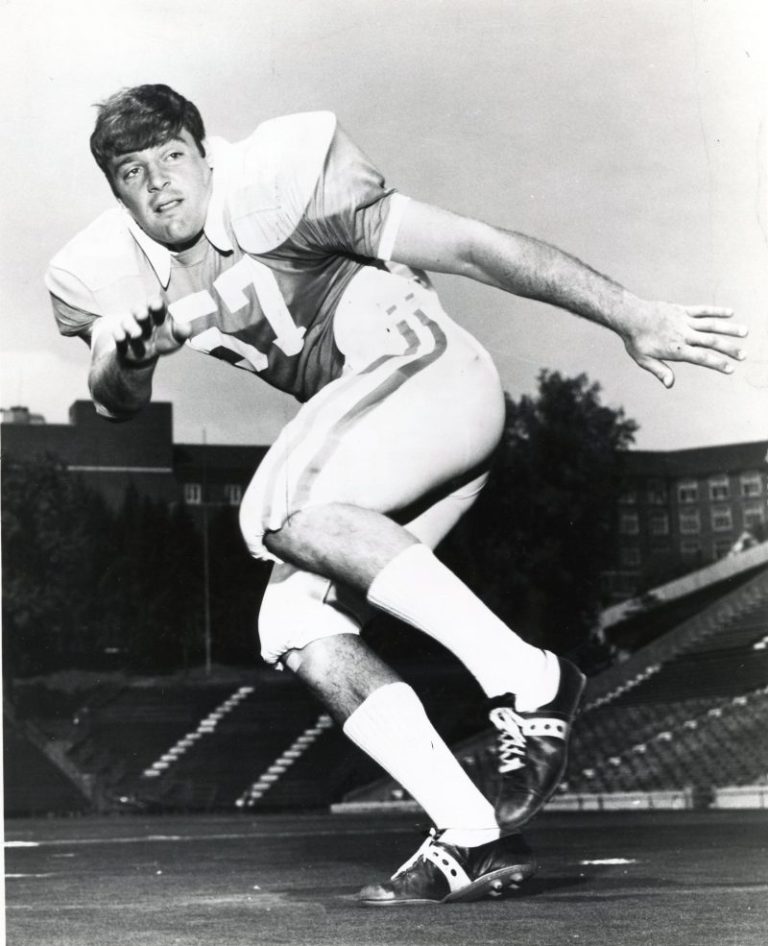
Steve Kiner, a former All-American linebacker at Tennessee and a member of the College Football Hall of Fame, died on April 24. He was 77.

Kiner’s career with the Volunteers began in 1967 as he joined the program as a sophomore after Florida revoked his scholarship offer. Under coach Doug Dickey, Kiner became an immediate impact player, earning SEC Sophomore of the Year.

Kiner was fierce and teamed with Jack Reynolds and Jackie Walker to form one of college football’s most formidable linebacking corps.

Kiner was named All-SEC and All-America in 1968-69, becoming Dickey’s first player to be a two-time consensus All-American. 

He was named SEC Defensive Player of the Year in 1969, highlighted by 11 tackles, five sacks, an interception and a forced fumble in a 41-14 victory over Alabama. 

He finished ninth in the Heisman Trophy voting that year. 

In a 2012 interview with the News Sentinel, former teammate Tim Priest recalled he was told as a sophomore by Kiner, ‘ ‘You don’t go to class this week. It’s Alabama week. Get ready.’ I did whatever Steve said because he was tough.”

Kiner was the leading tackler in his junior and senior seasons and had nine career interceptions. Tennessee went 26-6-1 in his three years and won two SEC titles in 1967 and 1969. 

He was selected by the Dallas Cowboys in the third round of the 1970 NFL Draft, but he was traded to the New England Patriots after the season. 

He bounced around teams, including stints with the Miami Dolphins, Washington and a second run with New England, before he was traded to the Houston Oilers in 1974, where he spent the last four years of his career. 

He had 10 career interceptions in the NFL. 

Kiner played high school football at Hillsborough in Tampa, Florida.

In 1994, Kiner earned his doctorate in clinical psychology, starting a practice in mental health therapy in Carrollton, Georgia. 

In 1999, Kiner was elected into the College Football Hall of Fame. 

‘This is a tremendous honor for me,’ Kiner said during the induction ceremony, ‘and from the time I was notified, it made me think a lot about my career at Tennessee. To be the first of a number of great linebackers who have played at Tennessee is very special.’

Kiner is also a member of the Tennessee Sports Hall of Fame (1998) and the Tennessee Athletics Hall of Fame (2016).

Phil Kaplan is sports director for the South Region of the USA TODAY Network and sports editor of the Knoxville News Sentinel.

This post appeared first on USA TODAY

The University of Kentucky is moving toward housing its athletics department under a new university corporate entity that school officials say will improve their flexibility to handle rising financial pressure from the proposed settlement of three athlete-compensation antitrust cases against the NCAA and Power Five conferences and related demands.

Kentucky athletics director Mitch Barnhart and the university’s executive vice president for finance and administration, Eric Monday, said they were unsure of whether the new entity – being called Champions Blue LLC – would be unique in college sports. But they said that, within the school’s structure, it is being modeled on entities under which its hospitals and other medical services enterprises are housed.

Implementation of the new athletics structure is pending approval by the full Kentucky board of trustees, which is scheduled to meet April 25. The board’s athletics committee unanimously approved the plan April 24, the university said.

Kentucky’s athletics department had nearly $202 million in operating revenue and nearly $197 million operating expense in its 2023-24 fiscal year, according to the annual financial report it submits to the NCAA. That puts the Wildcats among the top 15 publics schools in both categories, according to data compiled by USA TODAY Sports in conjunction with its partnership with the Knight-Newhouse College Athletics Database at Syracuse University.

Barnhart said the athletics department estimates that its expenses for the 2025-26 fiscal year will increase by around $50 million because of the proposed class-action settlement, which failed to receive final approval from a federal judge on April 23 – although the judge is giving the principals 14 days to work out issues related to a component of the deal that the judge ruled is unfair to a sizable group of athlete plaintiffs.

If approved, Division I schools would be able to start paying athletes directly for use of their name, image and likeness (NIL), subject to a per-school cap that would increase over time and be based on a percentage of certain athletics revenues. In addition, the NCAA’s current system of team-by-team scholarship limits would be lifted and athletes would continue to be allowed to have NIL deals with non-school entities.

Barnhart and Kentucky spokesman Jay Blanton said the estimated $50 million increase in expenses comes from its expected NIL payments to athletes (likely $20 million to $23 million), an increase in the number of athletic scholarships it awards ($4 million to $5 million), inflation, spending by the school in connection with efforts it can make to assist athletes with outside NIL deal and an expected loss of sponsorship revenue from companies that instead choose to make NIL deals with athletes.

Monday and Barnhart said that the new entity would allow the athletics department to undertake a variety of business development opportunities and to offer pay and benefit programs to employees – and potentially to athletes – that it cannot under current university policies or cannot do so in an efficient manner.

Barnhart and Monday mentioned public-private partnerships and a number of athletic facility and fan-experience projects.

“You’ve heard other departments talk about business districts and things like that,” Barnhart said. “And those are conversations that are all on the table but really difficult to perform in our current structure. And so this gives us more flexibility to do that.”

Wake Forest, Oklahoma and Kansas are among schools working on mixed-use projects that include new or refurbished athletics facilities.

We’ve got some ideas on some things that we’re going to have to run the run the traps on, so to speak, to say, ‘Hey, does this work? Does it make sense? Can it produce the things we think are necessary for us to move forward?” Barnhart said. “I do know this … in the old way of life, there were literally four to five buckets that you got all of your revenue from. We’re going  to have those four to five buckets become eight to 10 buckets, and we’re going to have to figure out other ways to do our work.”

This post appeared first on USA TODAY

Five-star high school basketball recruit and Southern California commit Alijah Arenas was involved in a ‘serious’ car crash early Thursday morning and has been hospitalized and placed into an induced coma, ESPN reported.

Arenas is the son of former NBA player and three-time NBA All-Star Gilbert Arenas.

A guard at Chatsworth High School in Southern California, Arenas is a five-star recruit and the 10th ranked overall player in the 2025 recruiting class, according to 247Sports. Arenas committed to the Trojans over offers from Alabama, Kansas, Kentucky and Arizona, among other schools.

“Our thoughts and prayers are with Alijah and his family following this morning’s accident,” USC head coach Eric Musselman said in a statement posted to social media. “Please keep him, his teammates and friends, and the entire Arenas family in your prayers.”

Arenas played in the 2025 McDonald’s All-American Boys Game. He had 11 points in the contest as he was part of the West team that defeated the East team, 105-92.

This post appeared first on USA TODAY

The NHL playoffs are rolling through the first round, with some favorites handling their business and others facing increasingly long Stanley Cup odds.

The Carolina Hurricanes have impressed, while the top two teams in the regular season (the Winnipeg Jets and Washington Capitals) both lead their respective series 2-0. The Florida Panthers are only one game into their postseason, but the defending champs showed their class in a 6-2 Game 1 win over the Tampa Bay Lightning.

Elsewhere, teams like the Toronto Maple Leafs have looked more solid than expected, while the Colorado Avalanche are now in for some scrutiny after two consecutive overtime losses to the Dallas Stars.

Here are power rankings for the NHL playoffs, including the latest odds to win the Stanley Cup:

NHL playoff odds: Power ranking all 16 teams

Favorites

No. 1 Carolina Hurricanes (+500)
No. 2 Winnipeg Jets (+700)
No. 3t Florida Panthers (+750)
No. 3t. Toronto Maple Leafs (+750)

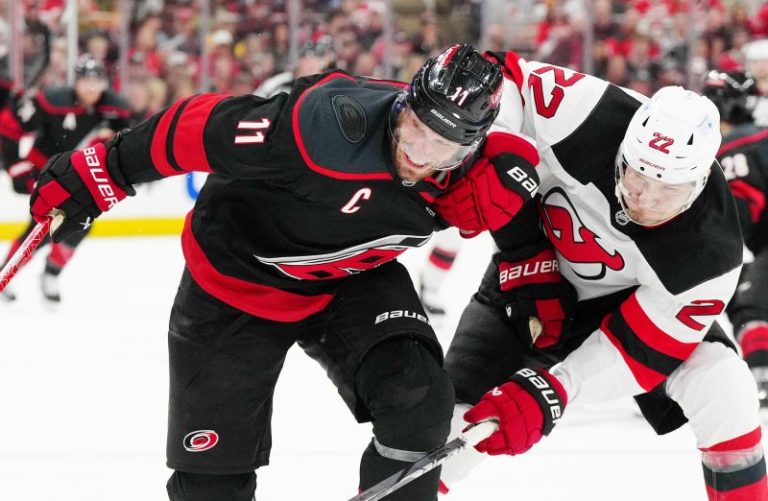
Bookmakers have been impressed with the Carolina Hurricanes, who have vaulted up to the status of favorites after opening their series against the New Jersey Devils with convincing wins. The Presidents’ Trophy-winning Winnipeg Jets are in a similar state, though their 2-0 series edge over the St. Louis Blues has been a bit harder to secure.

It’s much the same for the Toronto Maple Leafs, who have seen their odds reduced after gaining a 2-0 lead in their series against the Ottawa Senators. Finally, the Florida Panthers’ odds are unchanged after opening their series against the Tampa Bay Lightning with a resounding 6-2 win.

Contenders

No. 5t Dallas Stars (+850)
No. 5t: Washington Capitals (+850)
No. 7 Los Angeles Kings (+900)
No. 8 Vegas Golden Knights (+950)

The Washington Capitals have held on for two narrow wins in their series with the Montréal Canadiens, narrowing their Stanley Cup odds slightly in the eyes of bookmakers. The Dallas Stars, who have impressed in gaining a 2-1 series lead over the Colorado Avalanche after three games, have held strong in the contender tier, while the Vegas Golden Knights have seen their odds grow slightly longer after splitting the opening two games of their best-of-seven battle with the Minnesota Wild.

The real mover is the Los Angeles Kings, who were +2000 before their series against the Edmonton Oilers got going. With the Kings having scored six goals and won each of the first two games of that series, their odds have been slashed.

Off to a rocky start

No. 9 Colorado Avalanche (+1050)
No. 10 Tampa Bay Lightning (+1600)
No. 11 Edmonton Oilers (+2500)
No. 12 Minnesota Wild (+4000)

The Avalanche started the postseason with odds that would have placed them in the favorites tier, but their odds now reflect the reality that they trail Dallas 2-1 after three games. The Lightning, after being routed by the Panthers in Game 1, have gone from +1100 to +1600, while the Oilers’ chances have grown somewhat remote after two discouraging losses to Los Angeles.

Minnesota, after evening their series with Vegas with a 5-2 win in game 2, have unchanged odds from last week.

Long shots needing some playoff magic

No. 13t Ottawa Senators (+10000)
No. 13t St. Louis Blues (+10000)
No. 15t New Jersey Devils (+15000)
No. 15t Montreal Canadiens (+15000)

All four of these teams have 2-0 series deficits. leaving oddsmakers pessimistic about their hopes. Ottawa at least forced overtime against Toronto in Game 2, while Montreal has taken Washington down to the wire as that series heads to Quebec.

On the other hand, New Jersey has had no answers without Jack Hughes (shoulder surgery), and St. Louis has had trouble even getting shots on Jets goalie Connor Hellebuyck, much less winning games.

This post appeared first on USA TODAY

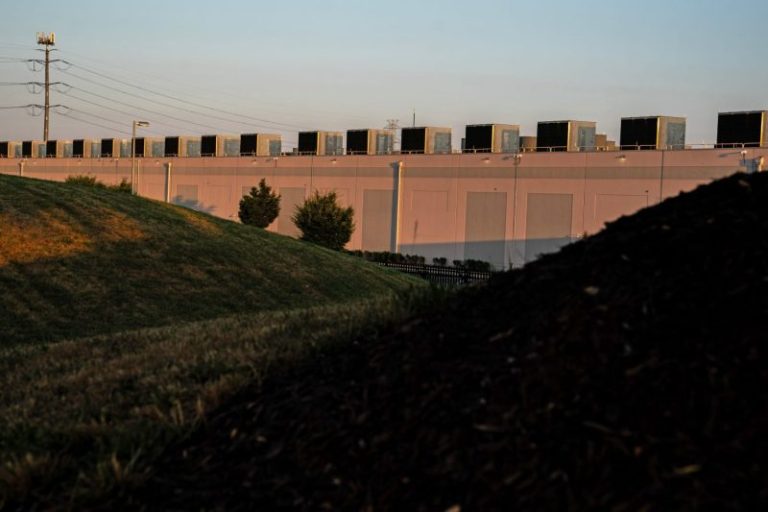
OKLAHOMA CITY — Amazon and Nvidia executives said Thursday that the construction of artificial intelligence data centers is not slowing down, as recession fears have some investors questioning whether tech companies will pull back on some of their plans.

“There’s been really no significant change,” Kevin Miller, Amazon’s vice president of global data centers, said at a conference organized by the Hamm Institute for American Energy. “We continue to see very strong demand, and we’re looking both in the next couple years as well as long term and seeing the numbers only going up.”

The comments run contrary to worrying buzz building on Wall Street about tech companies changing data center buildout plans. Wells Fargo analysts said Monday that Amazon Web Services is pausing some leases on data center commitments, citing industry sources. The magnitude of the pause was unclear, the analysts said, but the comments raised fears that Amazon was doing something similar to Microsoft’s recent move to pull back on some early stage projects.

Miller said “there’s been little tea leaf reading and extrapolating to strange results” about Amazon’s plans.

Nvidia is also not seeing signs of a slowdown, said Josh Parker, the chipmaker’s senior director of corporate sustainability.

“We haven’t seen a pullback,” Parker said. China’s artificial intelligence startup DeepSeek sparked a sell-off in power stocks earlier this year as investors worried that its artificial intelligence model is more efficient and data centers might need as much energy as originally anticipated.

But Parker said Nvidia sees compute and energy demand only rising due to AI, describing the reaction to DeepSeek as “kneejerk.” Anthropic co-founder Jack Clark said 50 gigawatts of new power capacity will be needed by 2027 to support AI. That is the equivalent of about 50 new nuclear plants.

“Anthropic and the other AI companies, what we’re seeing is tremendous growth in the need for new baseload power. We’re seeing unprecedented growth,” Clark said.

The executives were speaking at a gathering of tech and energy companies at a conference in Oklahoma City organized by the Hamm Institute to discuss how the U.S. can address the growing energy needs for AI. There is a growing consensus in both industries that natural gas will be needed to meet the power needs.

This post appeared first on NBC NEWS

The 2025 NFL draft has arrived, and the top players will soon be learning their landing spots.

With the annual event kicking off Thursday night in Green Bay, Wisconsin, the figures who have dominated the past few months of draft discussions will fly off the board in short order. But while the likes of Cam Ward, Travis Hunter and Shedeur Sanders have commanded the spotlight and will no doubt continue to do so, a class that’s short on stars could end up being defined by its depth.

Fans who want to keep tabs on what the top options are for their team’s pick should keep this page handy, as USA TODAY Sports will have live updates on the best available players below, led by their ranking on the pre-draft top 200 big board:

1. Travis Hunter, CB/WR, Colorado

Without hyperbole, football hasn’t seen a player like Hunter in quite some time. The Heisman Trophy winner was downright heroic in pulling double duty at cornerback and wide receiver, excelling at each spot despite a workload that would leave almost anyone else winded. While Hunter maintains he wants to keep that up, working primarily at one spot should serve not only his development but also assist with his stamina. His scintillating ball skills could make him a premier talent at either position. He still has plenty to fine tune, but he’s one of the few legitimate game-breaking talents to come through the draft in recent years.

2. Abdul Carter, DE, Penn State

If anyone else has a claim to the top spot at this point, it might be Carter. The 6-3, 250-pounder moved from linebacker to defensive end last season and unlocked something special. He gets off the line in an instant and slithers past blockers to close in on the ball carrier. Unlike many other edge rushers with his athleticism, he’s not afraid to get physical or work back inside. His bend and burst put him in position to leave quarterbacks with little hope for escaping his clutches. As is typical for college edge rushers, he can improve with by expanding his set of pass-rush moves. But the overall package is that of an All-Pro talent.

3. Ashton Jeanty, RB, Boise State

As the debate about running back value rages on, Jeanty promises to be a fascinating litmus test. The Heisman Trophy runner-up strung together one of the most dominant seasons in college football history with 2,601 rushing yards and 29 touchdowns on the ground. A sublimely patient runner, he regularly slips past would-be tacklers in tight spaces and often manages to bounce off those who do make contact with him. The only ceiling on his stock might be the all-important question of how teams should properly invest at his position.

4. Cam Ward, QB, Miami (Fla.)

After backing out of his initial decision to declare for last year’s draft, Ward transferred to Miami and blossomed into college football’s most dynamic passer. The 6-2, 219-pounder dazzles with off-platform throws and an ease operating out of structure. The biggest challenge for him, however, will be to take the easier gains in the short and intermediate areas rather than holding out for higher-difficulty throws that could become turnovers. Dialing back that daredevil mentality while still allowing Ward to embrace his playmaking streak could prove tricky for his future coaching staff, but his poise in the pocket and comfort working through his progressions should provide some level of assurance that he can grow in this area.

5. Tyler Warren, TE, Penn State

The Nittany Lions deployed the former high school quarterback creatively as the focal point of their offense, and it was easy to see why they did so. The 6-6, 256-pounder can do almost anything asked of him in the passing game, from hauling in contested catches to turning upfield and racking up yards after a quick throw. He has room to grow as a run blocker, but he has the disposition and skills to leave his imprint on every phase of the game.

6. Will Johnson, CB, Michigan

The comparisons to Pat Surtain II – the Denver Broncos cornerback and reigning NFL Defensive Player of the Year – are lofty but not outlandish. The 6-2, 194-pounder puts together the size, fluidity and instincts to handle any coverage assignment. Johnson isn’t a true burner and saw his 2024 season go sideways due to a toe injury, but he otherwise projects as a sticky corner who should have excellent ball production.

7. Colston Loveland, TE, Michigan

A shoulder injury and shaky quarterback play last season obscured just what a threat Loveland can be as part of an NFL offense. The 6-6, 248-pounder should regularly create mismatches as an athletic target who is comfortable breaking free from slower defenders or snagging passes over the heads of smaller ones.

8. Armand Membou, OT, Missouri

At 6-4 and 332 pounds, he doesn’t look the part of a bookend tackle. But Membou is equally comfortable pushing opponents around in the run game as he is keeping pass rushers at bay, though his build might leave him somewhat susceptible to being beaten by rangier defensive linemen.

9. Mason Graham, DT, Michigan

As a square and squat interior disruptor, Graham will challenge some teams’ notions of what a defensive tackle should look like. But his ability to create havoc is readily evident, as he slips past guards thanks to his quick feet and crafty hand usage. He might not win in typical fashion for a defensive tackle and could need to generate a better bull rush, but he has several different answers for whatever offenses throw at him.

10. Tetairoa McMillan, WR, Arizona

The 6-4, 219-pounder has made a habit out of making the spectacular look routine. McMillan is content to pluck jump balls out of the air downfield, but he also thrives working underneath and immediately turning into a run-after-catch threat. Like many bigger receivers, he’ll face questions of whether he has the pure long speed to create separation downfield, and his route tree is fairly rudimentary at this stage. But if he demonstrates more precision and urgency, he can become a formidable threat for any passing attack.

11. Will Campbell, OT, LSU

Steadiness is the hallmark of three-year starter and consensus All-American’s play. Campbell stays composed and collected in pass protection, though he has some trouble with edge defenders comfortable working back inside. The 6-6, 319-pounder lacks ideal length for a blindside protector, but he should be a fixture of his future team’s offensive line, whether at tackle or guard.

12. Jalon Walker, LB, Georgia

At 6-1 and 243 pounds, he’ll require creative utilization from his future defensive coordinator, especially if he’s to be deployed off the edge frequently. But his playmaking prowess is undeniable, as he can knife past blockers with his length and slippery style, and he’s a missile once he locks onto a ball carrier. He’s still developing as an off-ball linebacker, but he could become a major asset in coverage as well.

13. Mike Green, DE/OLB, Marshall

The Football Bowl Subdivision leader in sacks (17 in 2024) employs a far more physical approach than one might expect from a 6-3, 251-pound edge rusher. He risks stalling out if he doesn’t continue to fill out his frame, but his relentless style and elasticity as a rusher should position him to make plenty of plays in the backfield.

14. Josh Simmons, OT, Ohio State

Simmons’ stock likely will be linked to how comfortable teams are with his recovery from the torn patellar tendon he suffered in October. But the 6-5, 317-pounder checks many boxes of an upper-echelon pass protector, though he’s not as forceful as some of his blocking peers in this class.

15. Walter Nolen, DT, Mississippi

The former No. 1 overall recruit didn’t fully find his form in his first two years at Texas A&M before transferring, but he broke out in his lone season in Oxford. Nolen excels at shooting the gap, though he’s also adept at pushing linemen backward. He’s too often guilty of taking himself out of plays with an overaggressive approach, but proper coaching should help him harness his attacking mentality.

16. Jahdae Barron, CB, Texas

In a breakout season for the Longhorns, the Thorpe Award winner exhibited preternatural sense for finding the football, recording five interceptions and 11 pass breakups. He might not size up as a true outside corner to some teams, but he can be a versatile asset in coverage who thrives working downhill.

17. James Pearce Jr., DE, Tennessee

His blistering initial burst off the line is often enough to give him a runway to the backfield, and he can leverage his rangy frame and formidable punch to take advantage of blockers who are thrown off balance by his speed. But it’s unclear whether he can hold up against the run and be an every-down defender, and his ability to finish off plays is still a concern.

18. Derrick Harmon, DT, Oregon

Transferring from Michigan State paid off in a major way for Harmon, who had the most pressures of any interior defensive lineman last season with 55, according to Pro Football Focus. The 6-5, 313-pounder can create disruption from anywhere along the line, though he’s likely a long shot to end up as a prolific sack artist.

19. Jihaad Campbell, LB, Alabama

A former edge rusher, Campbell is still somewhat finding his way as an off-ball linebacker, as his recognition skills are underdeveloped. But a 6-3, 235-pound defender with extensive playmaking range, a proven track record as a blitzer and untapped coverage potential is the kind of project any defensive coordinator would gladly take on.

20. Mykel Williams, DE, Georgia

Like Travon Walker before him, Williams represents a gamble on a package of outstanding traits that never coalesced into the fully dominant from many expected from him. The 6-5, 260-pounder can beat blockers in a variety of ways thanks to his rare combination of speed and power, though he likely will need to figure out additional moves for shedding opponents who do manage to lock in on him.

21. Matthew Golden, WR, Texas

With Xavier Worthy and Adonai Mitchell off to the NFL, the Houston transfer stepped in and established himself as the Longhorns’ next standout pass-catching prospect. Golden enjoyed some of his best performances against top competition down the stretch in Texas’ College Football Playoff push. If he is able to beat press coverage consistently, he can challenge cornerbacks downfield with his acceleration or shake them with his crisp footwork.

22. Donovan Ezeiruaku, DE/OLB, Boston College

After notching 16 ½ sacks last season, Ezeiruaku already seems to have a master’s degree in pass-rushing, as he has a full toolkit of moves he is prepared to wield at just the right moment. His 6-3, 248-pound build still will likely result in him being erased by bigger blockers, particularly in the run game, but he compensates for it by leveraging his length, agility and smarts.

23. Kelvin Banks, OT/G, Texas

The Outland Trophy winner is one of the more battle-tested prospects in this class after three years of starting experience. It remains to be seen whether teams will entrust the 6-5, 315-pounder to hang at tackle, but his savvy and composure as a blocker should serve him well in whatever spot he ends up in.

24. Malaki Starks, S, Georgia

Starks has been a difference-maker ever since starting as a freshman in Athens, rising to the role of team leader for one of college football’s most dominant defenses. There are some volatile moments in coverage, as he too frequently takes the bait and can be shaken by quicker receivers. But if he can iron out those issues, he could be a staple of any secondary as a versatile and heady playmaker.

25. Shavon Revel Jr., CB, East Carolina

If not for a torn anterior cruciate ligament suffered in September, he might be firmly entrenched as a first-rounder, as the 6-2, 194-pounder marries an ultra-competitive demeanor at the line of scrimmage with impressive recovery speed and improving ball skills. His health outlook will no doubt loom large in his evaluation, but if he can find the right fit with a defensive coordinator patient enough to bring him along – his style of play might make him prone to early penalties, and there will be a significant leap in quality of competition – he could be a highly productive starter.

26. Shemar Stewart, DE, Texas A&M

There might not be a more imposing defensive prospect in this class than the 6-5, 267-pound edge rusher with a rapid burst off the line. Those impressive physical tools should allow Stewart to keep creating pressure consistently while helping shut down the run game, but it remains to be seen whether he can develop a reliable pass-rush plan and finishing touch after netting just 4 ½ sacks in college.

27. Emeka Egbuka, WR, Ohio State

The 6-1, 205-pounder is far from the most explosive pass catcher in this year’s class, but he routinely creates separation thanks to his savvy more so than his athleticism. He has an advanced feel for route-running and shedding coverage in tight quarters, which should help him become a fast favorite of his future quarterback as a high-volume underneath slot target.

28. Shedeur Sanders, QB, Colorado

Despite operating in a spotlight that might blind other passers, Sanders somehow managed to exceed outsized expectations by establishing himself as a precise and poised distributor. How he handles pressure at the next level could be one of the biggest determining factors in the trajectory of his career, but he could be a more than capable starter for an offense that asks him to conduct more often than create.

29. Josh Conerly Jr., OT, Oregon

He ended up on the wrong end of a Senior Bowl viral highlight against Green, but that shouldn’t define Conerly’s pre-draft process. The 6-5, 311-pounder came into his own last season as a smooth mover, though he could be victimized by power rushers in the early going.

30. Luther Burden III, WR, Missouri

At a time when other receivers shined, his 2024 season ended up quite turbulent, with the dynamic slot target averaging just 11.1 yards per game. Expanding his route tree in the pros could be the key to whether he remains primarily a threat on quick hitters underneath or becomes a more well-rounded target capable of threatening defenses downfield, though he likely will require a heavy dose of schemed touches early on.

31. Donovan Jackson, G, Ohio State

Shifting to left tackle during the Buckeyes’ title run helped highlight just how far the former five-star recruit has come in his career, as Jackson locked down an array of top-notch edge rushers. The 6-4, 315-pounder figures to move back inside at the next level, where his viselike grip should help him clamp down on defenders both in pass protection and the run game.

32. Omarion Hampton, RB, North Carolina

The 6-0, 221-pounder is perfectly content to run through defenders rather than around them, something he frequently did en route to racking up 30 rushing touchdowns over the last two years. Hampton might have to rely on that strength even more at the next level, however, as he isn’t elusive enough to force many missed tackles in the open field.

33. Grey Zabel, G/C, North Dakota State

After Graham Barton made the switch from collegiate left tackle to standout center as a rookie for the Tampa Bay Buccaneers, Zabel likely is looking at a similar trajectory. The 6-6, 312-pounder has experience at every other position along the line, but his superlative work at center during the Senior Bowl should have teams envisioning his long-term future there.

34. Kenneth Grant, DT, Michigan

Don’t pigeonhole the 6-4, 331-pounder as a mere space eater, even though he can command double teams and plug holes against the run. Grant is perhaps this class’ most athletic big man, though his nimble movements have yet to translate to much of anything in the pass rush.

35. Tyler Booker, G, Alabama

There might not be a more powerful blocker in this year’s class, as the 6-5, 321-pounder looks to punish anyone in his path. He’s not the most fleet-footed lineman, but he should be coveted by any team looking to ramp up a physical rushing attack.

36. Nick Emmanwori, S, South Carolina

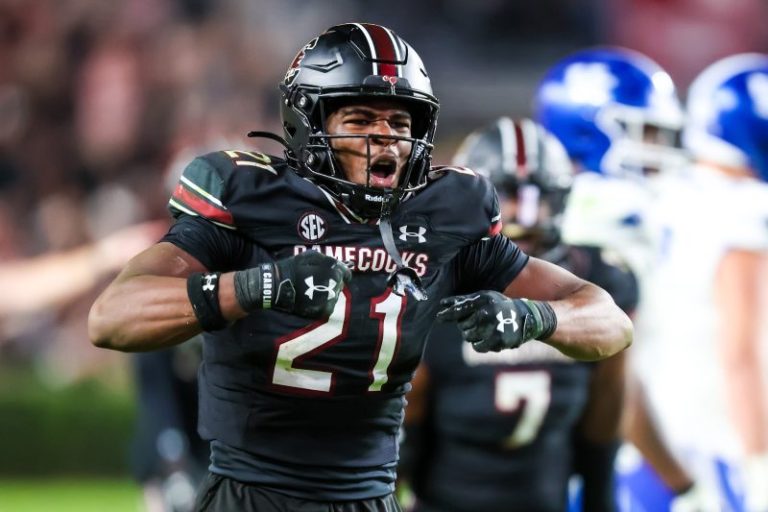
At 6-3 and 220 pounds with the speed of a cornerback, he seems perfectly suited to match up with tight ends and bigger receivers. Emmanwori is a bit wild when working downhill against the run and may lack the fluidity to handle work in the slot, but his excellent ball skills and physical tools should prove plenty alluring to many teams.

37. Landon Jackson, DE, Arkansas

The LSU transfer is the kind of player any offensive tackle hates to see lining up across from him, as the 6-6, 264-pounder boasts daunting length, an impressive arsenal of pass-rush moves and a never-say-die mentality. Jackson might be too big for his own good, however, as his rigidity severely limits him in several phases of the game.

38. Trey Amos, CB, Mississippi

Test the 6-1, 195-pound cover man at your own peril, as Amos can close in on any throw in his area in a hurry. He’s better suited for zone work than man coverage right now, but he could become a significant asset in press looks if he improves his ability to recover.

39. TreVeyon Henderson, RB, Ohio State

Once he gets to the corner, watch out. The 5-10, 202-pounder can’t always fight his way through to daylight on inside runs, but Henderson has the burst to break long gains whenever he’s given a crease. Already a comfortable pass protector and reliable receiver, he should be a three-down option from Day 1.

40. Azareye’h Thomas, CB, Florida State

The Senior Bowl standout has given evaluators reason to go back and take a closer look at one of the few bright spots in a disappointing season for the Seminoles. The 6-2, 197-pounder has a strong claim to be the premier pest of this defensive class, as he regularly smothers receivers at the line of scrimmage with his length and hyperphysical approach. He might not generate a ton of plays on the ball and won’t be a fit for every scheme, but any team looking for an in-your-face coverage presence has to give him strong consideration.

41. Nic Scourton, DE, Texas A&M

The 6-4, 257-pounder can be a load for any lineman to handle, as he embraces contact with active hands, a high-energy approach and plenty of knowhow. Though his hustle and expansive set of pass-rush moves could take him a good distance, he might not have the upside of other edge rushers in the class given his mostly unremarkable physical traits.

40. Maxwell Hairston, CB, Kentucky

A 183-pound cornerback might be seen by some as a liability more than an asset at the line of scrimmage. While it remains to be seen whether Hairston can hold up against more physical receivers in the pros, he certainly has the disposition to hang with any wideout he finds himself across from, as he relishes working in close quarters.

43. Kaleb Johnson, RB, Iowa

Johnson single-handedly invigorated Iowa’s long dormant offense with his smooth running style, averaging 6.4 yards per carry. The 6-0, 225-pounder is patient yet decisive in his approach, snaking around would-be tacklers to find the open field. His limited comfort level in the passing game – particularly in protection – could box him in somewhat during the early portion of his career.

44. Jaxson Dart, QB, Mississippi

It’s hard to tell exactly what a team is getting in a signal-caller who feasted in a scheme that afforded him so many chunk gains off initial reads. But if he can hone his processing and clean up his footwork, Dart stands out as a particularly intriguing prospect to bring along how readily he can beat defenses as an intermediate thrower.

45. Carson Schwesinger, LB, UCLA

The walk-on who became an All-American is more than just a feel-good story. Schwesinger’s rapid recognition skills often enable him to find his way to the ball carrier faster than blockers can reach him, though he does have trouble disengaging opponents when they do beat him to the spot.

46. Mason Taylor, TE, LSU

The son of Hall of Famer Jason Taylor has made a name for himself on the other side of the ball, proving to be a fluid pass catcher comfortable operating both in space and in traffic. He’s not as dynamic as this year’s top tier tight ends and is more likely to be a complementary piece than a go-to target, but he can still be a highly effective weapon for the right offense.

47. Bradyn Swinson, DE, LSU

He hasn’t enjoyed the widespread recognition of some other edge rushers in this draft class, but he deserves a higher profile. The 6-4, 250-pounder is extremely explosive, with the speed-to-power move to jolt offensive linemen when he’s not simply dipping past them.

48. Jayden Higgins, WR, Iowa State

The appeal of trotting out a 6-4, 214-pound wideout doesn’t require explanation. Higgins poses a major problem in the red zone and contested-catch scenarios, though he might be relegated to a big slot role until he refines his game a little further.

49. JT Tuimoloau, DE, Ohio State

His impact at the next level is likely to be measured more in pressures than sacks, but his disruption still comes in handy. The 6-5, 269-pound Tuimoloau lacks diversity as an edge rusher who relies almost entirely on his ability to push back opposing linemen, but his one trick is plenty good.

50. Aireontae Ersery, OT, Minnesota

At 6-6 and 331 pounds, Ersery is nimble enough to corral speedy edge threats yet strong enough to lock down anyone who tries to engage him. Things can get dicey when he has to recover or face a counter move, but his tools are worth developing.

51. Tre Harris, WR, Mississippi

52. Tyleik Williams, DT, Ohio State

53. Princely Umanmielen, DE, Mississippi

54. Alfred Collins, DT, Texas

55. Tate Ratledge, G, Georgia

56. Xavier Watts, S, Notre Dame

57. Jalen Milroe, QB, Alabama

58. Tyler Shough, QB, Louisville

59. Jonah Savaiinaea, G, Arizona

60. Elic Ayomanor, WR, Stanford

61. Jared Wilson, C, Georgia

62. Terrance Ferguson, TE, Oregon

63. Jalen Royals, WR, Utah State

63. Jaylin Noel, WR, Iowa State

64. Jordan Burch, DE, Oregon

65. Billy Bowman Jr., S, Oklahoma

66. Quinshon Judkins, RB, Ohio State

67. Ozzy Trapilo, OT, Boston College

68. Jack Sawyer, DE, Ohio State

69. Kevin Winston Jr., S, Penn State

70. Marcus Mbow, G, Purdue

71. Darius Alexander, DT, Toledo

72. T.J. Sanders, DT, South Carolina

73. Jacob Parrish, CB, Kansas State

74. Darien Porter, CB, Iowa State

75. Tory Horton, WR, Colorado State

76. Kyle Williams, WR, Washington State

77. Joshua Farmer, DT, Florida State

78. Oluwafemi Oladejo, DE, UCLA

79. Devin Neal, RB, Kansas

80. Jack Bech, WR, TCU

81. Damien Martinez, RB, Miami (Fla.)

82. Charles Grant, OT, William & Mary

83. Elijah Arroyo, TE, Miami (Fla.)

84. Andrew Mukuba, S, Texas

85. Nohl Williams, CB, Cal

86. Smael Mondon Jr., LB, Georgia

87. Shemar Turner, DT, Texas A&M

88. Benjamin Morrison, CB, Notre Dame

89. Ashton Gillotte, DE, Louisville

90. Dylan Sampson, RB, Tennessee

91. Quincy Riley, CB, Louisville

92. Demetrius Knight Jr., LB, South Carolina

93. Anthony Belton, OT, North Carolina State

94. Wyatt Milum, G, West Virginia

95. Danny Stutsman, LB, Oklahoma

96. Sai’vion Jones, DE, LSU

97. Josaiah Stewart, OLB, Michigan

98. Jamaree Caldwell, DT, Oregon

99. Harold Fannin Jr., TE, Bowling Green

100. Miles Frazier, G, LSU

101. Jared Ivey, DE, Mississippi

102. Jeffrey Bassa, LB, Oregon

103. Cameron Williams, OT, Texas

104. Dylan Fairchild, G, Georgia

105. Cam Skattebo, RB, Arizona State

106. RJ Harvey, RB, UCF

107. Emery Jones Jr., G, LSU

108. C.J. West, DT, Indiana

109. Bhayshul Tuten, RB, Virginia Tech

110. Quinn Ewers, QB, Texas

111. Logan Brown, OT, Kansas

112. Ty Robinson, DT, Nebraska

113. D.J. Giddens, RB, Kansas State

114. Isaac TeSlaa, WR, Arkansas

115. Jonas Sanker, S, Virginia

116. Lathan Ransom, S, Ohio State

117. Chris Paul Jr., LB, Mississippi

118. Dorian Strong, CB, Virginia Tech

119. Barryn Sorrell, DE, Texas

120. Omarr Norman-Lott, DT, Tennessee

121. Jalen Rivers, G, Miami (Fla.)

122. Aeneas Peebles, DT, Virginia Tech

123. David Walker, DE, Central Arkansas

124. Deone Walker, DT, Kentucky

125. Tez Johnson, WR, Oregon

126. Elijah Roberts, DE, SMU

127. Ty Hamilton, DT, Ohio State

128. Caleb Ransaw, CB, Tulane

129. Vernon Broughton, DT, Texas

130. Barrett Carter, LB, Clemson

131. Denzel Burke, CB, Ohio State

132. Tai Felton, WR, Maryland

133. Cody Simon, LB, Ohio State

134. Kain Medrano, LB, UCLA

135. Cam Jackson, DT, Florida

136. JJ Pegues, DT, Mississippi

137. Savion Williams, WR, TCU

138. Seth McLaughlin, C, Ohio State

139. Trevor Etienne, RB, Georgia

140. Jaylen Reed, S, Penn State

141. Craig Woodson, S, Cal

142. Cobee Bryant, CB, Kansas

143. Tyrion Ingram-Dawkins, DE, Georgia

144. Kyle Kennard, DE, South Carolina

145. Jaydon Blue, RB, Texas

146. Chase Lundt, OT, UConn

147. Jordan Hancock, CB, Ohio State

148. Upton Stout, CB, Western Kentucky

149. Malachi Moore, S, Alabama

150. Brashard Smith, RB, SMU

151. LeQuint Allen, RB, Syracuse

152. Drew Kendall, C, Boston College

153. Isaiah Bond, WR, Texas

154. Jalen Travis, OT, Iowa State

155. Carson Vinson, OT, Alabama A&M

156. Kyle McCord, QB, Syracuse

157. Que Robinson, DE/OLB, Alabama

158. Jaylin Lane, WR, Virginia Tech

159. Antwaun Powell-Ryland, DE, Virginia Tech

160. Oronde Gadsden II, TE, Syracuse

161. Dont’e Thornton Jr., WR, Tennessee

162. Gunnar Helm, TE, Texas

163. Teddye Buchanan, LB, Cal

164. Zah Frazier, CB, UTSA

165. Jordan James, RB, Oregon

166. Pat Bryant, WR, Illinois

167. Yahya Black, DT, Iowa

168. Zy Alexander, CB, LSU

169. Will Howard, QB, Ohio State

170. Thomas Fidone II, TE, Nebraska

171. Mitchell Evans, TE, Notre Dame

172. Fadil Diggs, DE, Syracuse

173. Caleb Rogers, G, Texas Tech

174. Tommi Hill, CB, Nebraska

175. Ollie Gordon II, RB, Oklahoma State

176. Ricky White III, WR, UNLV

177. Jack Kiser, LB, Notre Dame

178. Jacory Croskey-Merritt, RB, Arizona

179. Jonah Monheim, C, USC

180. Rylie Mills, DT, Notre Dame

181. Robert Longerbeam, CB, Rutgers

182. Korie Black, CB, Oklahoma State

183. Jarquez Hunter, RB, Auburn

184. Xavier Restrepo, WR, Miami (Fla.)

185. Nick Martin, LB, Oklahoma State

186. Nazir Stackhouse, DT, Georgia

187. Mac McWilliams, CB, UCF

188. Chimere Dike, WR, Florida

189. Joshua Gray, C, Oregon State

190. Kobe King, LB, Penn State

191. Dillon Gabriel, QB, Oregon

192. Arian Smith, WR, Georgia

193. Shemar James, LB, Florida

194. Cody Lindenberg, LB, Minnesota

195. Jah Joyner, DE, Minnesota

196. Jackson Hawes, TE, Georgia Tech

197. Jack Nelson, OT, Wisconsin

198. Collin Oliver, OLB, Oklahoma State

199. Hunter Wohler, S, Wisconsin

200. Tyler Baron, DE, Miami (Fla.)

This post appeared first on USA TODAY

The 2025 NBA playoffs are underway and the eight Eastern and Western Conference first-round series have already yielded enough compelling games to make oddsmakers adjust what they thought before the postseason began.

The Oklahoma City Thunder still have the best odds to win the NBA championship heading into playoff action on Thursday, April 24. Several teams have seen their chances downgraded by the results from Games 1 and 2. Others have emerged as contenders after a successful start to these playoffs. A pecking order is emerging with three clear favorites, a four-pack of Western Conference contenders and a couple serious threats from the Eastern Conference, and at least five obvious longshots.

Here’s an updated power ranking of all 16 NBA playoff teams taking part in a first-round series based on odds to win the 2025 NBA championship:

NBA playoff odds 2025: Power ranking all 16 teams

Favorites

1. Oklahoma City Thunder (+170)
2. Boston Celtics (+190)
3. Cleveland Cavaliers (+550)

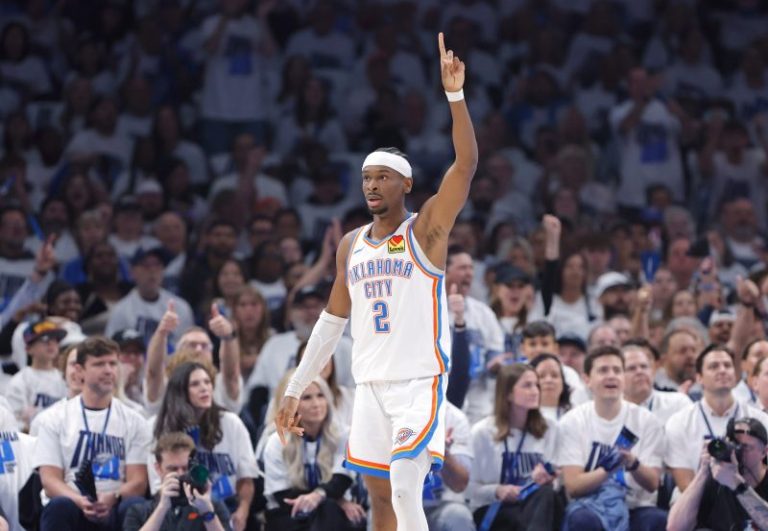
The Oklahoma City Thunder continue to be the NBA championship favorite and have seen their odds slightly improve after taking control of the Memphis Grizzlies in historic fashion during their Western Conference first-round series. But the defending champion Boston Celtics remain close behind up 2-0 in their series against the Orlando Magic, and the Cleveland Cavaliers also won both of their home games to start the 2025 NBA playoffs against the Miami Heat.

Contenders

4. Los Angeles Lakers (+1600)
5. Golden State Warriors (+1800)
6. Los Angeles Clippers (+2500)
7. Minnesota Timberwolves (+4500)
T8. New York Knicks (+5000)
T8. Denver Nuggets (+5000)
10. Houston Rockets (+6000)
11. Indiana Pacers (+6600)

Nobody’s NBA championship odds have improved more since the 2025 playoffs started than the Minnesota Timberwolves after their Game 1 win over the Los Angeles Lakers, although the Lakers remain at the top of this heap of contenders in the minds of oddsmakers after rebounding in Game 2. The Pacers are also on an upward trajectory in the minds of bettors after taking a 2-0 series lead on the Milwaukee Bucks. Same goes for the Houston Rockets now that they split the first two games of their first-round series with the Golden State Warriors and Jimmy Butler is injured. The New York Knicks and Denver Nuggets each saw their championship odds slide after their respective opening two games of the playoffs.

Longshots

T12. Detroit Pistons (+25,000)
T12. Milwaukee Bucks (+25,000)
T14. Miami Heat (+150,000)
T14. Orlando Magic (+150,000)
T14. Memphis Grizzlies (+150,000)

Nobody’s championship odds have declined more than the Memphis Grizzlies and Milwaukee Bucks during the opening two games of the 2025 NBA playoffs. The Grizzlies were already considered a longshot. The Bucks, despite the return of Damian Lillard in Game 2, now fit into that category after falling into a 0-2 hole in their series with the Indiana Pacers.

This post appeared first on USA TODAY
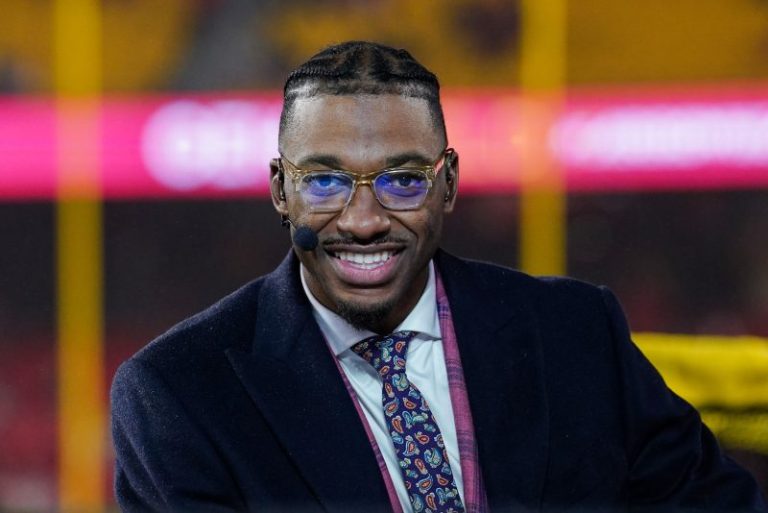
Robert Griffin III is expected to join FOX Sports as the network’s No. 2 college football analyst, according to a person with knowledge of the situation. The person was granted anonymity because the deal is not yet official.

The Athletic first reported Griffin III’s move Thursday.

ESPN let Griffin III go prior to the start of last NFL season. The former Heisman Trophy winner and No. 2 overall pick in the 2012 draft was an analyst on ‘Monday Night Countdown’ and also called college games for the network.

At FOX, he’s expected to work with play-by-play announcer Jason Benetti (also formerly of ESPN). Griffin III would replace Brock Huard, who departed FOX to coach his son’s high school football team.

Griffin III worked on Netflix’s broadcast of two games on Christmas Day during the 2024 season. He also co-hosts the ‘Outta Pocket’ podcast with his wife, Grete.

This post appeared first on USA TODAY
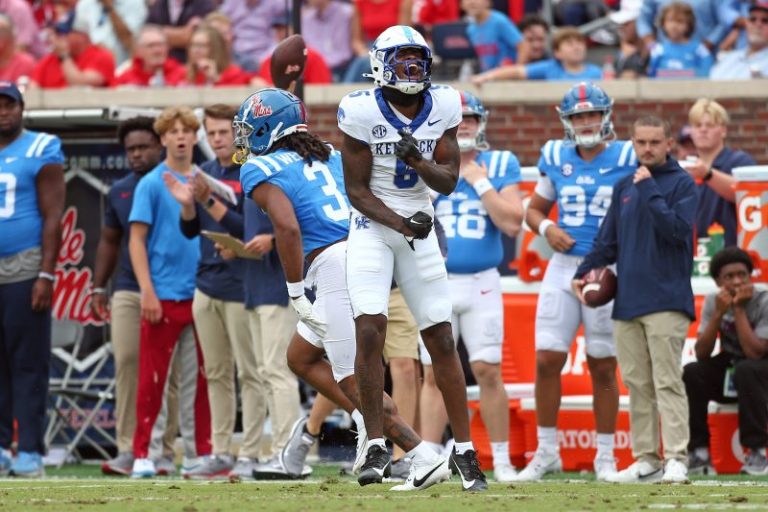
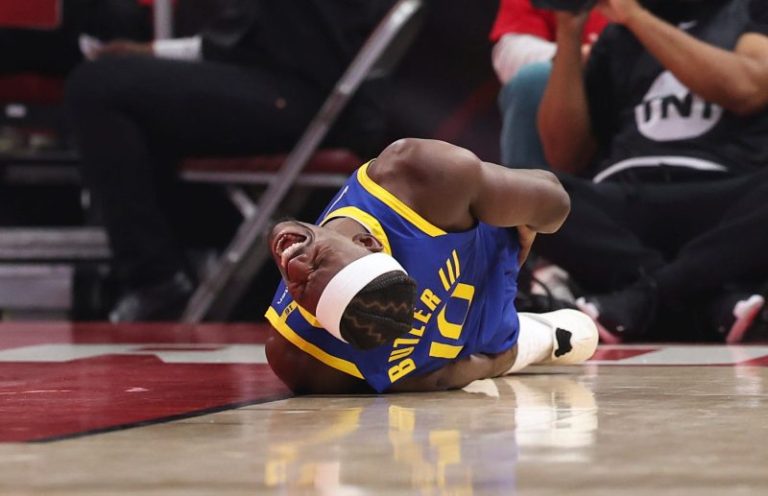
The Golden State Warriors are hoping two days of rest will enable guard Jimmy Butler to return to the lineup for Game 3 of their first-round NBA playoff series against the Houston Rockets.

Butler left Wednesday’s game late in the first quarter and did not return after being undercut on a rebound attempt and landing hard on his tailbone.

After the foul by Houston’s Amen Thompson, Butler got up gingerly and limped to the free throw line. He converted one of two foul shots, then left the game and headed straight to the locker room. He’s scheduled to have an MRI on Thursday.

‘Hopefully, he’s OK,’ Warriors coach Steve Kerr said after the game. ‘We’ll see. … Jimmy always says he’s going to be fine. But we have to wait and see with the MRI.”

Jimmy Butler status will impact Game 3

Butler was acquired in February from the Miami Heat to give the Warriors a veteran presence with playoff experience, as well as take some of the scoring pressure off Stephen Curry.

However, Kerr said that if Butler is ruled out for Game 3, ‘we’ll have to rethink everything.”

The series, tied at one game apiece, resumes on Saturday in San Francisco

The USA TODAY app gets you to the heart of the news — fastDownload for award-winning coverage, crosswords, audio storytelling, the eNewspaper and more.

This post appeared first on USA TODAY
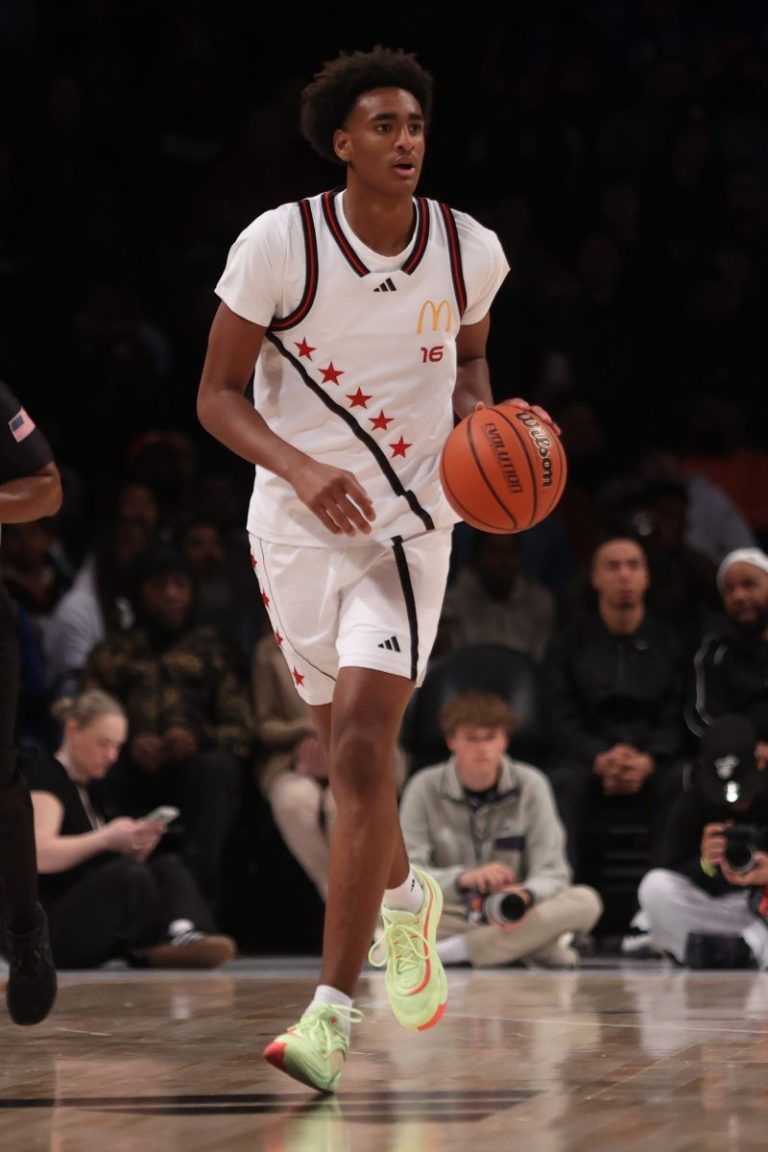
PHOENIX − He is one of the most talented young second basemen in the game.

But he’ll tell you he’s not the best infielder in his own family.

He not only won the Gold Glove award last season, but was also awarded the Platinum Glove as the greatest defense player in the National League.

But he’ll tell you there are better athletes in his family.

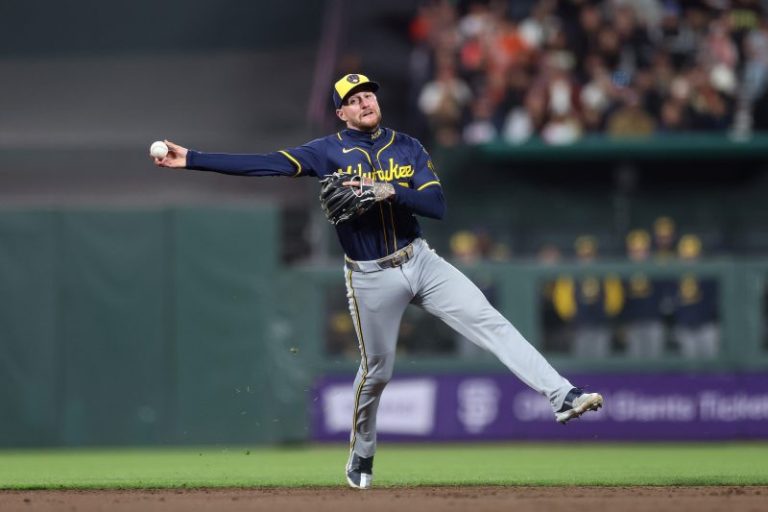
The name is Brice Turang, the Milwaukee Brewers brilliant second baseman who tormented the San Francisco Giants with seven hits in his last two games.

He may be insanely talented, but he is telling you the truth.

“My family,’’ Turang tells USA TODAY Sports, “they helped me become who I am. I’m not even sure what I’d be doing if not for my sisters.’’

There can’t be player in baseball who comes from a more athletic family than Turang.

His dad, Brian Turang, played in the major leagues for the Seattle Mariners and used to regale his son with stories playing alongside Ken Griffey Jr.

His mother, Carrie, was a softball player at Long Beach State and played in the College World Series.

His oldest sister, Brianna, 33, won a national championship in softball at Oklahoma State and played one year professionally, while also playing soccer.

His second-oldest sister, Carissa, 31, played softball at Southern Miss and Cal State Fullerton.

His third-oldest sister, Cabria, 30, played soccer at Utah for four seasons.

His fourth-oldest sister, Bailee, 27 was an all-conference volleyball player for Southern Nazarene (Okla.) University.

Oh, and Brianna’s husband, Tress Way, is a punter for the Washington Commanders.

Then, there’s Brice, 25, who just so happens to be tearing up the major leagues this season.

Turang is hitting .350, second in the National League, leads the league with 35 hits and 24 runs. He also is tied for fourth with eight stolen bases to go along with his three homers, 14 RBI and .845 OPS.

“He’s amazing, bro,’’ Brewers starter Jose Quintana says. “He’s going to be a star. He can hit. He can play defense. He can run. He’s an amazing player. I can’t wait to see how great he becomes.’’

Certainly, Turang will tell you that his dad and coaches helped him along the way, but if not for his sisters’ influence, who knows if he would have even played baseball. He went to all of their practices. He went to all of their games. He watched how they performed under pressure. He learned the nuances of the game. And he adopted their fierce competitiveness.

Even today at family gatherings, they’ll viciously compete against each in everything from ping-pong to cornhole to bowling.

“I didn’t really watch much of sports growing up, I was just always at my sisters’ games and practices,’’ Turang says. “I would watch them all of the time. And I loved it. It was always a good time. I miss it to this day. I wish I could watch my sisters play again.

“They were all fast, and they were good at just about every sport they played. I really looked up to them.’’

Just like that, they helped Turang develop into one of the game’s premier defensive players.

“I don’t know if there’s anyone that’s in the same conversation as him defensively,’’ Brewers catcher Eric Haase said. “I’ve never seen anything like that. I mean, there’s just no panic at all. It’s not like he’s got the craziest hands or the flashiest motion or anything like that, it’s just pure getting the job done and making it not look hard.’’

Turang, starting just his third season, draws comparisons to everyone from former All-Stars and World Series champions Chase Utley to Dustin Pedroia.

“This is not a knock on Chase by any means,’’ says Brewers first baseman Rhys Hoskins, who played six years with the Phillies, but was never teammates with Utley. “Bryce is just a little bit smoother of an athlete. So, for anybody to be compared to Chase, I would take that in a heartbeat.’’

Says Brewers shortstop Joey Ortiz: “I think he’s already one of the best all-around second baseman. He’s playing so well, and doing so much for the team right now. Some of the plays he makes I’m like, ‘Who makes that play?’ It’s just crazy.’’ 

And, for those who have known Turang since his high school days?

“I am not surprised, not in the least,’’ says Corey Rodriguez, the Brewers West Coast supervisor who strongly recommended Turang. “I’ve seen him since he was in ninth grade. You could see the confidence and that competitiveness that matches the skillset. He’s got that great mental makeup.’’

Indeed, when you talk to Turang, he sounds like a 20-year veteran, not a guy who has played only two full seasons. There’s not a tinge of arrogance, but confidence, knowing he belongs.

“He’s baseball first, before the money, the fame, any of that, the kid loves to play the game,’’ Brewers manager Pat Murphy says, “and he’s good at it. He continues to get better every year and he wants to be great.

“He’s on his way.’’

Turang not only plays like a second baseman who could become be a perennial All-Star, but exudes that same confidence.

“It’s just the way he carries himself, how he acts,’’ Brewers veteran outfielder Christian Yelich said. “You can tell he has the right mental makeup and mindset to be a good big leaguer. He’s learned just what it takes to be successful here.’’

Really, it was no different than when he was in ninth grade playing with upper classmen during the Area Code games in Corona, Calif., or playing Triple-A at the age of 21, never doubting his ability.

“He could play on big stages when he was young,’’ Rodriguez said. “We always had him play with the older players, and he was very comfortable with what he could do, and did it. He was always a pro.

“He didn’t listen to the noise, or what the [player] rankings were, and just went out and played. He’s one of those guys that played the game with a lot of conviction. He was a winning player. He did things with intent.

“He has a very good baseball IQ, and it matches with his instincts, and that’s a separator for him.’’

Turang believed he was as good as any amateur player in the country when he was drafted 21st by the Brewers in 2018. He had a full scholarship to LSU, but told the Brewers he’d sign with them, but only at his price, negotiating a $3.4 million signing bonus.

“We had a lot of scouts that really liked him, and we thought there was a chance he’d go in the top 10,’’ Brewers GM Matt Arnold said. “I think a lot of people thought he’d go to LSU because he had a pretty strong commitment. He was talented, and he knew it. He wanted a certain amount, and was comfortable going to LSU if he didn’t get it.’’

Said Turang: “You’re missing the college experience to go pro, but my dream was always to be in the big leagues. That’s always been my dream.’’

Now, it’s has become reality.

“You look at him now, and he’s arguably the best player on our team,’’ Arnold says, “for what he does on both sides of the ball. This is a guy who comes from a great pedigree, who’s continuing to get better and better, and wants to be great. He has all of the ingredients to be a leader in this clubhouse for a long time.’’

Turang, sitting in the Brewers’ visiting dugout, stares onto the field, looks up at the roof, his eyes darting around the ballpark, and pauses. He sure wishes the late Bob Uecker, the radio voice of the Brewers, was around to see him grow up before everyone’s eyes.

“His presence,’’ Turang said, “his laugh. Just saying hi to you every day and calling you by name. He respected everybody, and talked to everybody, no matter who you were, whether you were the big dog or a nobody. He was an unbelievable dude for everyone.

“I know this has been a dream, a dream come true for sure, but, man, he sure is missed.’’

Follow Nightengale on X: @Bnightengale

This post appeared first on USA TODAY