Archive

2025

Browsing

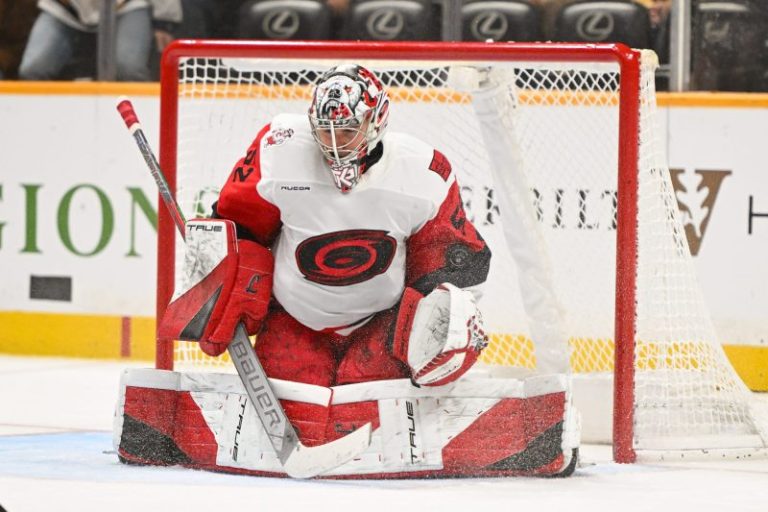
The Carolina Hurricanes, who had been juggling three goalies recently, are back to two.

The team announced that goalie Pyotr Kochetkov will have surgery for a lower-body injury and will miss the rest of the season.

‘It’s what he’s been dealing with all year,’ coach Rod Brind’Amour said. ‘He’s decided to have surgery so he’s going be out probably for the year.’

Brind’Amour said Kochetkov had been playing great despite the injury.

‘He’s fighting through it but he doesn’t want to continue that way, so we’ll get it fix and go from there,’ he said.

The Hurricanes will now have a two-goalie tandem of Brandon Bussi and Frederik Andersen. Bussi will start on Monday, Dec. 29 against the New York Rangers.

Pyotr Kochetkov injury update

Kochetkov will have surgery for a lower body injury and miss the rest of the season.

He went 6-2 with a 2.33 goals-against average and .899 save percentage.

Bussi is 12-1-1, 2.10, .912, and Andersen 5-8-2, 3.27, .869.

This post appeared first on USA TODAY

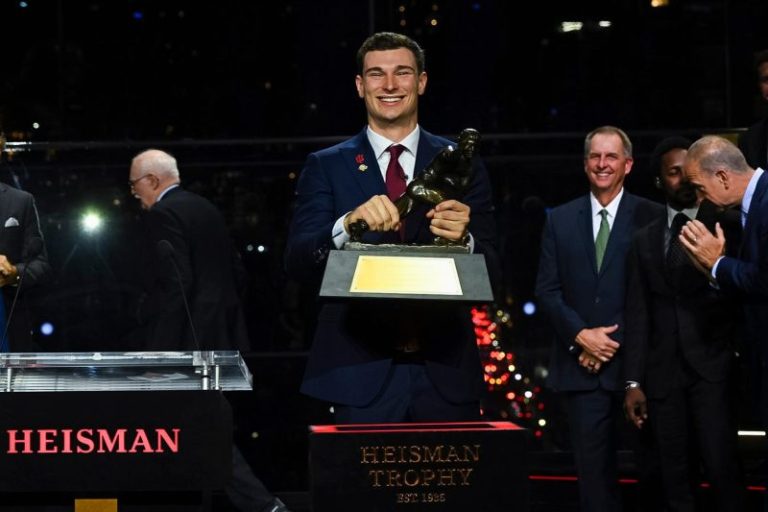
Quarterback Fernando Mendoza led Indiana University to an undefeated season and won the 2025 Heisman Trophy.
Mendoza, once an overlooked high school recruit, credits his success to his Cuban-American heritage and work ethic.
Mendoza is the first Cuban-American to win the Heisman and is projected to be a top NFL draft pick.

MIAMI ― Fernando Mendoza sat in the front seat of the rental car on the six-hour drive from Miami to Gainesville, dialing one college coach after another.

He had just finished a week-long visit to some of college football’s most elite programs in the Southeastern Conference – Alabama, Clemson, South Carolina, LSU – and Mendoza, then a high school junior quarterback, needed to convince them to put him on their roster.

One after another, he called and asked the coaches if he could play for them. One after another, their answer was an unequivocal “no.”

He ended each call with the corresponding cheer from that team – “Go Tigers!”, “Roll Tide!” – characteristically upbeat, despite the rejections.

After checking into a Gainesville hotel with his speed and conditioning coach, Antonio Robinson, Mendoza confided something that had been weighing on him. His mother had recently confessed she’d long been diagnosed with multiple sclerosis, an incurable disease of the nervous system. He had to win, he told him, for her.

“Bro, you’re good. You’re going to play on Sundays,” Robinson told Mendoza at the time, meaning playing in the NFL. “We don’t know how you’re going to get there, but you’re going to play.”

Today, Mendoza, 22, sits atop of the college football universe.

As Indiana University’s starting quarterback, he led the Hoosiers this year to an historic undefeated season and secured the top ranking in the College Football Playoffs, which began Dec. 19. Indiana plays the dynastic University of Alabama in the Rose Bowl on Jan. 1 for a chance to advance and play for the national title – which would be another first for Indiana, traditionally a basketball-first school.

On Dec. 13, Mendoza was also awarded the Heisman Trophy, college football’s highest honor, becoming both the first Hoosier and first Cuban-American to ever win the award – and only the third Latino winner after Jim Plunkett in 1970 and Alabama’s Bryce Young in 2021.

Several mock drafts, including USA TODAY’s, forecast Mendoza – ranked 2,149th in the nation coming out of high school – as the No. 1 selection in next year’s NFL draft. 

How did a lanky, six-foot-five kid from Miami – the grandson of Cuban immigrants and overlooked by most football schools – rise to such improbable heights in college football?

Mendoza’s coming of age in Miami would be marked by a cultural changing of the guard, when tackle football was becoming increasingly popular among Cuban-Americans, who have traditionally focused on baseball.

His Cuban heritage sparked a work ethic that often eclipsed others around him. And even as obstacles piled up, Mendoza found a way to work around, over or straight through them.

In recent interviews, Mendoza has credited his Cuban-American culture and upbringing for much of his success.

“It’s a huge point of pride,” he told NBC Sports, adding how his grandparents emigrated from Cuba to start lives over in the U.S. “I’m extremely grateful for all the hardship they’ve been through.”

First quarter: The shift to focus on football

Baseball-Reference.com counts more than 400 Cuban-born players who have played in the major leagues, dating back to 1871, when Havana-born Esteban “Steve” Bellán laced up for the Troy Haymakers. Total Cuban-born players to ever play in the NFL: four.

“Porque en Cuba…” “Because in Cuba” was a common line of reasoning and refrain of many parents to urge kids in 1980s Miami to spend hours on end at the batting cages. Boys spent their Saturdays at Tamiami Park or Academia Carlos “Patato” Pascual, learning fundamentals like rundowns or how to lay down a bunt at the hands of retired Cuban ball players, dreaming of one day playing in the majors themselves.

Florida, of course, has long been a perennial powerhouse for recruiting high school football talent.

It’s one of the nation’s top destinations for elite college football since the 1990s, during which a team from the state appeared in every national title game until 2002. Florida’s juggernaut status continued well into the 2000s. According to the recruiting database ESPN 300, Florida produced the most prospects of any state in the country in the class of 2023. Lamar Jackson, Michael Irvin and Joey and Nick Bosa are counted among South Florida’s high-end recruits.

But the past two decades has seen a noticeable shift in Cubans and Cuban-Americans in South Florida becoming focused on football, said Carlos Gobel, 47, a high school football coach who has coached youth sports for more than 20 years in South Florida.

Would-be pitchers made the switch to quarterbacks. Spurred on by the past successes of the Miami Dolphins’ perfect 1972 season and their Hall of Fame quarterback Dan Marino, Gen Xers took to playing football in high school.

By the time these Cuban families in South Florida became parents themselves, they placed their kids into rec leagues, starting as young as 4 years old, Gobel said. Youth leagues today, like Miami Xtreme or Florida Youth Football League, actively try to recruit the best young talent and parents are hiring specialized coaches to train their youth earlier and earlier, he said.

He added: “Everyone loves football down here. Fernando came in right at its peak.”

Second quarter: ‘He’s just built different’

Mendoza was destined to play organized sports.

His father, Fernando Mendoza IV, played football at Christopher Columbus High School in Miami (alongside Mario Cristobal, current head coach at the University of Miami), and later as an undergraduate student at Brown University. His mother, Elsa Mendoza, was a standout tennis player at the University of Miami.

He joined the South Miami Grey Ghosts, part of a local youth league, while in grade school but started as a fourth string quarterback, according to an essay his mother published in The Players’ Tribune, an online platform. Mendoza had to work his way into a starting position.

By the time he reached 8th grade, Mendoza’s sights were firmly set on playing quarterback in college. That year, his father hired Robinson to improve Fernando’s speed and agility.

In one of their early meetings, at Florida Christian School’s West Campus, Robinson had him and other student athletes do 15 100-meter dashes, back-to-back-to-back, with just 30-second breathers between runs.

It’s the type of grueling conditioning, especially in Miami’s punishing sun, that makes most youth puke or beg for a break, Robinson said.

Mendoza caught his breath then asked: “We got anything else?”

Robinson, a former NFL receiver who won a Super Bowl ring with the Green Bay Packers in 2011, put him through more workouts. 

“He’s just built different,” Robinson said. “I remember telling my son, ‘This kid’s going to play in the NFL.’”

Robinson worked with Mendoza the next four years, meeting with him several times a week, having him pull weights in a dead run or running backwards up hills at parks, watching his acceleration and agility improve. 

In 10th grade, Mendoza began playing football at Columbus High School, his father’s alma mater, located in the heart of Westchester.

Calle Ocho (or, Eighth Street) remains the beating heart of the Cuban diaspora in Miami but Westchester (pronounced “Weh-che-te” in the truncated lingo of Cuban-Americans) is its gravitational center, home to La Carreta, Rio Cristal, Sergio’s and other establishments and eateries that, over the years, have transformed the sleepy Miami suburb into North Cuba.

At Columbus, Cuban-American parents aspire to raise their boys in the teachings and values of the Catholic Marist Brothers families once followed in Cuba.

Mendoza came to play under Coach Dave Dunn, who has coached high school and collegiate athletes for three-and-a-half decades. At their first meeting, Mendoza showed up with a notebook and a pen, eager to soak up everything his coach had to offer, Dunn said.

Over the next three years, Dunn and Mendoza lunched together each day in Dunn’s office, meticulously going over practice film, discussing his mistakes or strategizing plays for the upcoming game.

“He’s always trying to learn, always working his tail off to get better,” Dunn said. “And I think that’s ingrained in him from his grandparents and obviously his parents, as well.”

Halftime: A transformative trip to Cuba

All four of Mendoza’s grandparents fled Cuba’s dictatorship and emigrated to the U.S. to seek a better life.

His paternal grandmother, Marta Menocal Mendoza, arrived in the U.S. via Operation Pedro Pan, a clandestine exodus of more than 14,000 unaccompanied Cuban youth from the communist island.

His maternal grandfather, Alberto Espino, arrived in Miami as a teen in 1960 from Santiago de Cuba. In 2019, Mendoza and his younger brother, Alberto, joined their grandparents on a missionary trip to Santiago de Cuba on the easternmost part of the Caribbean island.

They climbed along the Sierra Maestra mountain range, home to Fidel Castro’s 1950s uprising, visited the chapel of La Virgen de la Caridad del Cobre, Cuba’s patron saint, and distributed goods they brought from the U.S. to cousins and locals in Santiago.

Mendoza was struck by how his impoverished family members survived while having next to nothing. It was a transformative trip, as he later expressed in an essay in an application to the prestigious Miami Herald’s Silver Knight Award in high school. Amazon founder Jeff Bezos and U.S. Supreme Court Justice Ketanji Brown Jackson are among its past winners.

“I had arrived in Cuba with no expectations but left with a sense of place in this world,” Mendoza wrote, “Whatever I accomplish or fulfill in my lifetime, I will always represent my cousins, family, and community back in Santiago.”

At Columbus High, a Catholic, all-boys school, Mendoza was as focused on the classroom as he was on offensive schemes, said Sylvie Galvez-Cuesta, his guidance counselor. He loaded up on the most challenging math and science classes, was director of the campus ministry and helped launch a student-led podcast.

In 2022, after escorting the 15 Silver Knight nominees to the Miami Herald offices for interviews, Galvez-Cuesta took the students to lunch at a restaurant in South Miami.

Midway through the meal, Mendoza tapped his water glass with a fork, stood and gave an impromptu speech thanking the faculty on behalf of the students. The counselors there were in tears.

“That’s Fernando in a nutshell,” Galvez-Cuesta said. “That will always stay in my heart: how heartfelt this young man was at 18 years old.”

Third quarter: Pre-dawn workouts, broken fingers

Jose Leon began at Columbus High School as a freshman wide receiver, as Mendoza entered his junior year as the team’s starting quarterback. Prodded by his dad, Leon sent Mendoza an Instagram message, offering to work out with him.

As a freshman, Leon thought the chances of the school’s varsity quarterback replying were slim. To his surprise, Mendoza responded immediately, suggesting they meet early to catch passes.

For the next five months, the two met at 5 a.m., three days a week, at the Columbus practice field, before the 5:45 a.m. practice with the rest of the team, to have Leon run routes and catch passes from Mendoza.

Leon broke three fingers fielding passes from Mendoza’s increasingly powerful arm. But the pre-dawn sessions forged a bond between the two.

Leon would later visit the Mendoza Coral Gables home to play Madden NFL video football games with Mendoza and his younger brother, Alberto, shoot hoops in the backyard or have breakfast with them at La Carreta, a Cuban culinary landmark, where they munched on Cuban toast and croquetas.

Often, right after meals, Mendoza would dart back home to study or meet with his parents, Leon said.

“He was locked in,” said Leon, now on the football squad at Appalachian State University in North Carolina. “I can’t recall a time I’ve ever seen him at a party.”

Fourth quarter: A life-altering diagnosis

In 2020, his junior year, Mendoza took the reins of the Columbus High School football team.

As the coronavirus continued spreading across the U.S., he led the team to an undefeated season, but statewide competitions were cancelled due to the outbreak. Instead, the team won a tri-county championship that included Miami-Dade, Broward and Palm Beach counties.

Following closely in his footsteps was his younger brother, Alberto Mendoza, who later led the Explorers to back-to-back state championships and broke the school record for most passing yards (2,611) and passing touchdowns (35) in a season. He’s currently backup quarterback at Indiana behind Mendoza, foreshadowing a Manning family-like takeover of the sport in the coming years – with a mojo criollo twist.

“If you ask anyone around campus, [Alberto] is the best quarterback to ever play at Columbus,” said Andres Fernandez, their high school quarterback coach. “He is absolutely special.”

At Indiana, the brothers share a house together and Alberto closely follows Mendoza’s game day preparation and decision-making. The brothers each threw for a touchdown in a win over Kennesaw State on Sept. 6, marking the first time brothers on the same team have thrown a TD pass in one game since Brandon Allen and Austin Allen did it for Arkansas in 2015.

“Being able to play with each other, not a lot of people get to share a locker room or a meeting room,  let alone a house with their brother in college.” Fernando Mendoza said in an interview with IndyStar, part of the USA TODAY Network. “I’ve learned a lot of tricks from Alberto.”

Their bond started at an early age, when their mother had them share a room, even though their house had a spare room, to get them to grow closer, Mendoza told IndyStar.

Then, midway through high school, the Mendoza brothers received one of the most crushing news of their lives: Mom had multiple sclerosis.

Elsa Mendoza had known for years that she carried the disease but kept it from her sons, hoping not to cause them undue worry. After contracting COVID, however, she became so weak that she could no longer hide it from them.

“It was during football season, and I realized I wasn’t going to be able to travel,” she wrote in her Players’ Tribune essay. “And the thought of you wondering if I supported you any less, because suddenly I wasn’t at your games? I hated that. So that’s when I knew we had to sit you and your brother down … No amount of years could have prepared me for how hard of a conversation it ended up being.”

Elsa Mendoza described how her firstborn son kept her company early in life, while his dad worked long hours on his path to becoming a doctor. “Maybe this is silly to say about a newborn,” she wrote, “but to me you were more like my buddy.”

Mendoza took the news as best as could be expected, Elsa Mendoza wrote, filling her with confidence and helping to raise awareness about MS.

“[You’ve] made it so much easier,” she said. “And you’ve done that in the sweetest, strongest, most Fernando way possible — by making me feel the exact opposite of embarrassed. You’ve made me feel seen.”

Two-minute warning: No offers, then California-bound

Generally unnoticed because his breakout year was during COVID, Mendoza didn’t receive any calls from elite football teams.

After his road trip through the Southeast with Robinson netted no scholarships, Dunn, his coach, reached out to more than 50 contacts he knew in college football programs, asking if anyone needed a quarterback. Not a single one was interested.

“I called everybody I knew and nobody would bite,” Dunn said. “It was very frustrating.” 

In recent years, college football has become increasingly competitive.

Out of the 1 million high school football players, only 7.5% will make it to the college level. Just 3% will play on a Division I team, according to an NCAA analysis. 

The introduction in 2018 of the NCAA transfer portal – which made Mendoza’s arrival to Indiana possible – and the Name, Image and Likeness (NIL) deals, which allows student athletes to profit from sales and marketing, has only ramped up competition.

Colleges no longer have a lockdown on the sprawling sports business, even as 13 programs are worth over $1 billion and counting. It used to be that recruits would sit down with coaches and map out the next four years. But the ability to change schools and make money on side deals forces some coaches to piece together rosters year by year. Players have the power to go with the highest bidder.

In South Florida, this trend trickled down the competition, driving high school parents to specialize and train their student athletes earlier and earlier, Gobel said.

“[Football] has always been big down here but I’ve seen the shift happen where it’s become obsessive,” he said. “Whatever the NFL used to do is what college programs are doing now, and whatever college programs used to do high school programs are doing now.”

As Mendoza entered his senior year, processing his mom’s MS diagnosis and having no offers from top schools weighed on the young athlete, though his outward appearance remained unflinchingly positive, said Robinson, his speed and conditioning coach.

“Fernando overcame a lot,” he said. “And he’s still doing it. He’s beating the odds.”

Mendoza graduated Columbus High with a 4.86 cumulative GPA and 12 advance-placement courses. But he was only a 2-star football prospect, ranked 2,149th nationally and 140th among quarterbacks by 247Sports, which ranks high school athletes. 

His best offer came from Yale University, which Mendoza was ready to accept. But a week before the signing deadline, the University of California, Berkeley, offered him a scholarship and a spot on their football roster. Now, he had a chance to play for a competitive football school and study at one of the country’s top business schools. He snatched the opportunity.

At Berkeley, Mendoza showed flashes of an elite college quarterback. He twice led the Golden Bears to victories against Stanford in the “Big Game,” in 2023 and again last year, throwing for a combined 593 yards and six touchdowns.

They lost to his hometown University of Miami in October 2024, in a thrilling 39-38 comeback win for UM. The University of Miami was selected into the College Football Playoffs and won their first-round matchup earlier this month against Texas A&M. (Many in Westchester are hoping Mendoza and Indiana will face-off with the Canes for this season’s College Playoff National Championship on Jan. 19 at Miami’s Hard Rock stadium, for an epic hometown showdown.)

Even as he excelled on the field, Mendoza also poured himself into academics, taking finance and business courses at UC Berkeley’s renown Haas School of Business.

Stephen Etter, a lecturer at Haas who mentored Mendoza, would meet with him in the business school’s courtyard three times a week between classes and practices. They’d go over assignments and map out how to pursue his degree, while also discussing how to look beyond social media and other distractions. Often, Mendoza would bring up his Cuban upbringing.

“Whenever I worked with Fernando, 90% of the time, he’d say, ‘That’s my heritage. That’s what my grandparents and parents taught me,’” Etter said.

He added: “He was a young man beyond his years.”

Final score: ‘For the love and sacrifice of my parents and grandparents’

Last year, Mendoza chose to transfer to Indiana University to play under head coach Curt Cignetti – and with younger brother Alberto. Still two classes shy of graduating from the Haas School of Business, Mendoza appealed to the dean, requesting to make up the courses remotely.

The school’s leaders designed a video-conferencing option so that Mendoza could finish his classes and get his degree – the first time such an option was offered to a transferring student, Etter said.

“To Fernando, that degree was very, very important,” he said.

Fernando’s feats on the field at Indiana have now taken on historic, almost mythic, contours: Leading college football’s losingest team to an undefeated season and a first seed in the College Football Playoffs.

Along the way, his heroics have been enshrined in SportsCenter highlights:

o   Sept. 27: A game-winning 49-yard touchdown toss to receiver Elijah Sarrat with 1:35 left in the fourth quarter against Iowa.

o   Nov. 8: A game-winning touchdown pass to Omar Cooper, Jr., in the back of the endzone with 40 seconds left in the fourth quarter to beat Penn State.

o   Dec. 7: A back shoulder, go-ahead touchdown throw to Sarratt in the third quarter to upset Ohio State.

At the Heisman ceremony in New York City a week later, Mendoza again paid tribute to his Cuban upbringing by switching to Spanish midway through his acceptance speech to honor his grandparents, who were in attendance.

Por el amor y sacrificio de mis padres y abuelos, los quiero mucho,” he said. For the love and sacrifice of my parents and grandparents, I love you very much. With all my heart, I thank you.

Later that evening, Mendoza joined a viewing party for more than 50 friends and family at the Elsie Rooftop, a cocktail bar located 25 floors above downtown Manhattan. He went around the cavernous room, hugging friends, taking selfies and letting each person hold or snap a photo with the 45-pound trophy.

“It was like he wanted everybody to be part of it,” said Galvez-Cuesta, who attended. “It was magical.”

As Mendoza worked his way through the crowd, Abba’s hit song, “Fernando,” blared over the venue’s speakers. The freshly-minted Heisman winner smiled and kept hugging and thanking until each person was acknowledged.

The party lapsed into a long, loud, carthatic sing-along.

“There was something in the air that night The stars were bright, Fernando They were shining there for you and me For liberty, Fernando …”

Follow Jervis on X: @MrRJervis.

This post appeared first on USA TODAY

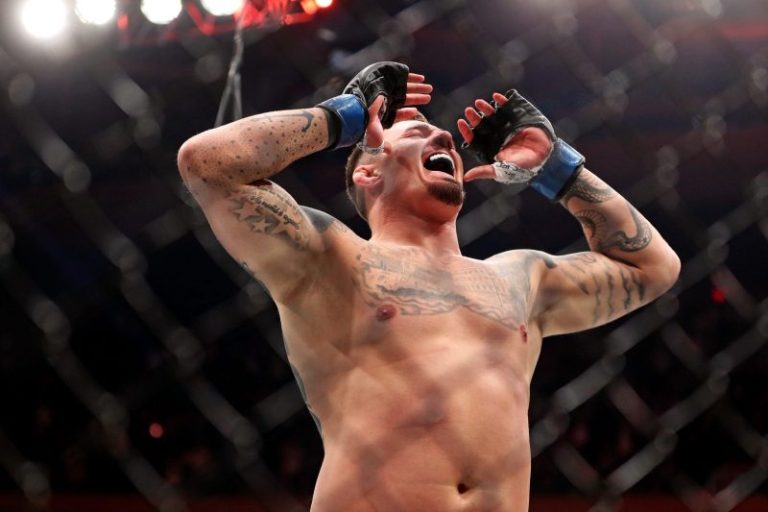
UFC heavyweight champion Tom Aspinall said he will undergo surgery on both of his eyes as a result of injuries suffered during a bout against Ciryl Gane Oct. 25 that ended in a no-contest.

Aspinall, who suffered the injuries from what was ruled an accidental eye poke, said he likely would have undergone the first surgery by the time he released the information on his YouTube page Sunday. He also said the second surgery is scheduled for mid-January.

“So we’re working on getting back, and that’s a plan,’’ he said.

Aspinall, 32, provided no other information about the surgeries or the extent of the injuries.

He and Gane are expected to meet in a rematch when Aspinall says his eye trouble has been fixed.

After the fight with Gane ended in a no contest, UFC CEO Dana White said “Tom didn’t want to continue in the fight’’ later said “there was no damage to the eye.’’

Aspinall took exception to White’s comments and, during an appearance on ‘The Ariel Helwani Show,’ said, ‘I was very disappointed, yeah. Very disappointed … It didn’t help the cause.’’ He also said he stopped fighting because the eye poke was a foul and it affected his vision.

White later clarified he wasn’t trying to say anything negative about Aspinall but added, “We have people all over him right now, checking up on him, making sure he’s good, does he need any help or any specialists. I’m no doctor. I’m just saying what I’ve heard. It wasn’t said in a way [to be negative], ‘I said I think he’s fine.’ It wasn’t like that. I said I think Tom’s eyes are good, he’s going to take some time, heal and come back. That’s all I said.’’

Aspinall, who’s from Great Britain, won the UFC interim title in November 2023 and, with a victory over Sergei Pavlovich by knockout, defended the interim title in July 2024 against Curtis Blaydes by knockout.

In June, Jon Jones retired, removing the interim tag from Aspinall’s status as the reigning UFC heavyweight champion.

In his next fight, Aspinall (15-3, 12 KOs) took on Gane. But the bout ended with 25 seconds left in the first round when Aspinall was unable to continue after the eye poke.

This post appeared first on USA TODAY
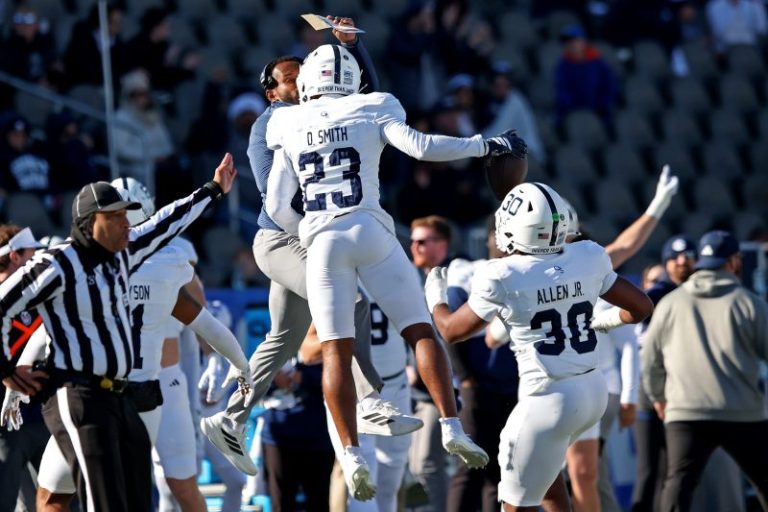
Georgia Southern took down rival Appalachian State for the second time this season in the Birmingham Bowl, winning 29-10 in dominant fashion.

Georgia Southern (7-6) forced four turnovers by Appalachian State (5-8), who rotated between true freshman quarterbacks Matthew Wilson and Noah Gillon after AJ Swann and J.J. Kohl both entered the transfer portal. The Eagles became the first team in the ‘Deeper than Hate’ rivalry to beat the other twice in the same season.

Georgia Southern was led by running back OJ Arnold, who rushed for 152 yards on 11 carries and was named player of the game. Quarterback JC French IV completed 18 of 25 passes for 171 yards with a touchdown in the win.

Here are the highlights from Georgia Southern’s 29-10 win over Appalachian State in the lone college football game on Dec. 29.

Georgia Southern vs App State score

Georgia Southern vs App State highlights

Georgia Southern wins 29-10

Georgia Southern wins the turnover battle 4-0 and takes down rival Appalachian State to win the Birmingham Bowl. OJ Arnold wins player of the game after rushing for 143 yards on 10 carries.

Tripp Bryant extends Georgia Southern lead

Georgia Southern extends its lead to 29-10 with 3:57 remaining in the fourth quarter on a 26-yard field goal. That’s going to do it for the Eagles, which will move to 2-0 against Appalachian State this season.

Georgia Southern chewing clock

Georgia Southern regains possession and is currently amid a long drive, one that has so far traveled 76 yards in 15 plays, chewing 9:06 of clock and counting.

The Eagles are looking to end this one now.

App State building momentum?

JC French IV’s errant pass is intercepted by Ethan Johnson, giving Appalachian State back the ball late in the third quarter. Maybe the Mountaineers aren’t quite out yet.

App State kicks field goal

Appalachian State reduces its deficit to 26-10 after Dominic De Freitas’ 27-yard field goal make. True freshman quarterback Matthew Wilson is up to 5-of-7 passing for 73 yards, along with nine carries for 101 yards with a touchdown.

JC French IV throws touchdown

What a throw by JC French IV, who fits the ball in between two defenders for a 32-yard touchdown pass to Marcus Sanders Jr., who barely gets a foot down in the end zone.

Georgia Southern is 2-for-2 on touchdown drives in the second half and now leads 26-7 with 8:50 left in the third quarter.

Dorrian Smith grabs another interception

Dorrian Smith jumps a route and grabs his second interception of the game, giving the ball back to Georgia Southern.

Appalachian State now has three turnovers, which has been the difference so far. The Mountaineers are having success moving the ball outside of the giveaways.

Georgia Southern scores out of half

Weston Bryan rushes for a 2-yard touchdown to give Georgia Southern a 19-7 lead after the first possession of the second half. The Eagles then attempt a 2-point conversion, but JC French IV’s pass falls incomplete.

The scoring drive was set up by a 58-yard run from OJ Arnold, who has 121 rushing yards on five carries so far.

Georgia Southern takes 13-7 lead before as time expires

Tripp Bryant makes a 36-yard field goal to extend Georgia Southern’s lead to 13-7 as time expires. The Eagles regain possession out of the break.

App State responds

Matthew Wilson takes it himself for a 6-yard touchdown run, his first career score. The scoring drive was set up by Noah Gillon’s 34-yard pass to Dalton Stroman.

Both quarterbacks are playing plays late in the first half. Georgia Southern leads 10-7 with 1:51 left in the second quarter.

Matthew Wilson throws interception

Matthew Wilson enters at quarterback for Appalachian State and throws an interception. Tracy Hill Jr. picks off Wilson at Georgia Southern’s 2-yard line, giving the Eagles back possession.

Georgia Southern extends lead

App State holds Georgia Southern to a field goal after stopping the Eagles inside the 10-yard line. Georgia Southern extends its lead to two possessions, taking a 10-0 lead with nine minutes left in the first half.

Georgia Southern intercepts Noah Gillon

True freshman quarterback Noah Gillon’s pass is intercepted by Dorrian Smith, giving possession back to Georgia Southern. Appalachian State was amid a 6-play, 52-yard drive.

App State misses field goal

Dominic De Freitas originally makes a field goal, but illegal formation and false start penalties push Appalachian State back 10 yards. De Freitas then misses the next attempt from 41 yards out.

Georgia Southern leads 7-0 with 3:23 left in the first quarter.

Georgia Southern strikes first

Georgia Southern caps off its 11-play, 66-yard drive with a 1-yard touchdown run by Terrance Gibbs to take an early 7-0 lead in the first quarter. Quarterback JC French IV completes 5-of-5 passes for 35 yards on the drive.

Birmingham Bowl kicks off

Appalachian State starts with possession but goes three-and-out. Former USC coach Clay Helton and Georgia Southern are taking over for their first possession of the game.

Are Appalachian State and Georgia Southern rivals?

Appalachian State and Georgia Southern are fierce rivals, with the game being referred to as ‘Deeper than Hate’ by both sides. Their matchup in the Birmingham Bowl is the first between both teams at a neutral site in their history.

App State holds a 21-18-1 all-time record against Georgia Southern.

Why is App State in bowl game?

App State has made a bowl game with a 5-7 record thanks to numerous bowl opt-outs, allowing for an all-Sun Belt meeting in the Birmingham Bowl. For more background on how the Mountaineers made a bowl game, click here.

Where is the Birmingham Bowl?

The Birmingham Bowl will be held at Protective Stadium — home stadium of the UAB Blazers — in Birmingham, Alabama.

What time does Georgia Southern vs App State start?

Date: Monday, Dec. 29
Time: 2 p.m. ET | 1 p.m. CT
Location: Protective Stadium (Birmingham, Alabama)

The Birmingham Bowl between Georgia Southern and App State is scheduled to kick off at 2 p.m. ET (1 p.m. CT) from Protective Stadium in Birmingham, Alabama.

What channel is Georgia Southern vs App State today?

TV: ESPN
Streaming: ESPN app | Fubo (free trial)

Georgia Southern and App State’s Birmingham Bowl matchup will air nationally on ESPN, with Taylor Zarzour, Matt Stinchcomb and Alyssa Lang on the call. Streaming options for the game include the ESPN app (with a cable login) and Fubo, the latter of which offers a free trial to potential subscribers.

Stream Georgia Southern-App State with Fubo (free trial)

Georgia Southern vs App State predictions in Birmingham Bowl

Here are USA TODAY Sports expert picks for the Birmingham Bowl between Georgia Southern and App State:

Matt Hayes: Georgia Southern
Jordan Mendoza: App State
Paul Myerberg: Georgia Southern
Erick Smith: Georgia Southern
Eddie Timanus: Georgia Southern
Blake Toppmeyer: Georgia Southern

Georgia Southern vs App State odds, spread for Birmingham Bowl

Odds courtesy of BetMGM as of Sunday, Dec. 28

Spread: Georgia Southern (-8.5)
Over/under: 59.5

This post appeared first on USA TODAY
The Los Angeles Rams were without star receiver Davante Adams in their Week 16 loss to the Seattle Seahawks. Will he be able to return to the lineup in Week 17 against the Atlanta Falcons?

Adams is trying to work his way back from a hamstring injury to ready himself for the Rams’ postseason run. Los Angeles was eliminated from contention for the NFC West title and the conference’s No. 1 seed; however, the team seems unlikely to risk the 33-year-old’s health as it jockeys for a wild-card spot.

Here’s what to know about Adams’ status for the Rams’ Week 17 game and beyond as he deals with a dreaded soft-tissue injury.

Is Davante Adams playing tonight?

Adams is officially inactive for the Rams vs. Falcons game on ‘Monday Night Football in Week 17.

Adams’ absence is not a surprise. He wasn’t expected to play, as Los Angeles listed him as ‘doubtful’ on the team’s final injury report for Week 17 because of a hamstring injury.

Davante Adams injury update

Adams is dealing with a hamstring injury he originally suffered in the team’s Week 15 win over the Detroit Lions. The 33-year-old was unable to return to the field on ‘Thursday Night Football’ in Week 16 before being ruled ‘doubtful’ for Week 17.

Rams coach Sean McVay told reporters throughout the week that Adams is progressing well in his recovery from the injury.

‘He’s doing great. He’s making really good progress,’ McVay said of Adams at a Dec. 27 media availability. ‘I know he’s chomping at the bit to get back out there.’

Despite McVay’s positive prognosis, Adams was unable to practice in the lead-up to the Rams’ ‘Monday Night Football’ game against the Falcons. He was a non-participant at each of Los Angeles’ three listed practice sessions and isn’t expected to take the field in Week 17.

Nonetheless, McVay didn’t seem worried about Adams’ injury lingering in the playoffs.

‘We’ll be in good shape when we get him back, whether that’s this week or next week with the playoffs,’ McVay said.

The Rams have little incentive to rush Adams back into action, as they are guaranteed to be either the No. 5 or 6 seed in the NFC playoff field after being eliminated from the NFC West race by the Seattle Seahawks and San Francisco 49ers’ Week 17 wins.

That should afford the 33-year-old a couple of extra weeks to heal before the Rams look to mount a Super Bowl 60 run.

Rams WR depth chart

The Rams have six wide receivers on their 53-man roster, including Adams. They are:

Puka Nacua
Davante Adams (injured)
Jordan Whittington
Konata Mumpfield
Tutu Atwell
Xavier Smith

Nacua has been the team’s primary target all season, logging 114 catches for 1,592 receiving yards and eight touchdowns over the first 16 weeks of the season, while Whittington and Mumpfield figure to see extra action across from him with Adams out of action.

The Rams also have Tru Edwards, Brennan Presley and Tyler Scott on the team’s practice squad, so they aren’t lacking for depth at the position.

This post appeared first on USA TODAY
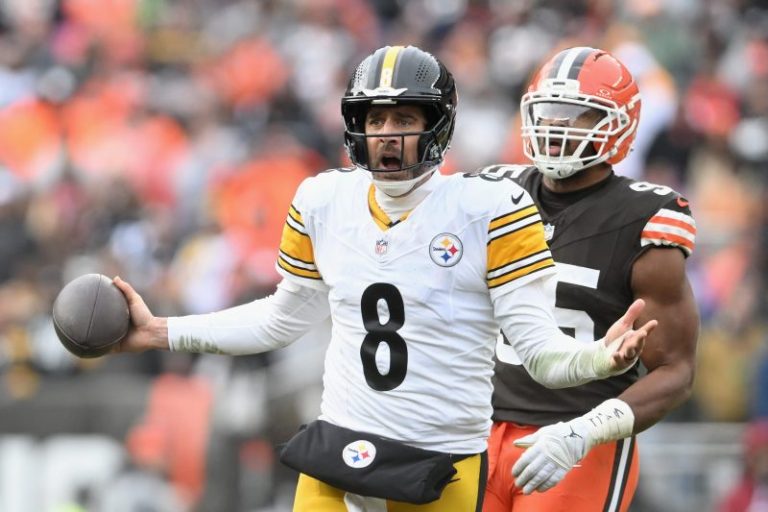
The Steelers’ stumble against the Browns could portend an ugly end to the season for Pittsburgh.
Tyler Shough, Cam Ward and Quinn Ewers all put together strong efforts as the quarterbacks close out their rookie seasons.
The NFC South is coming down to an uninspiring finish, albeit a close one.

Week 17 in the NFL reinforced that any sense of finality in the playoff picture will have to wait another week.

Much of the postseason landscape has already been tilled, with 12 of the 14 berths accounted for. But there’s still a good bit of fluidity to things, with four of eight divisions yet to determine winners and each conference’s top seed still unclaimed.

Here are the biggest winners and losers from Sunday’s Week 17 action:

NFL Week 17 winners

Baltimore Ravens

They did their part with a romp over the Green Bay Packers on Saturday night. That outcome, however, looked as though it would end up inconsequential, with the Pittsburgh Steelers seemingly destined to be coronated as AFC North champions with a win over the hapless Cleveland Browns that would also eliminate the rival Ravens. Against all odds, however, the Ravens have a win-and-in setup next weekend thanks to the Steelers’ 13-6 face plant of a loss. And with the way things are shaping up, Baltimore has to like its chances of seizing the division, even though it has to do so on the road. The Ravens surely won’t waver from feeding Derrick Henry after his four-touchdown revival. And maybe there’s enough time for Lamar Jackson to recover from his back ailment to return to the starting lineup. A volatile team has defied expectations all year, so there’s little use trying to pin this group down one final time. But Baltimore at least have some control in determining is fate after it looked dead in the water following the Week 16 unraveling against the New England Patriots.

Philip Rivers

This is surely grading on a generous curve, but how else do you evaluate the possible finale for a 44-year-old who had been retired for five years prior to coming back in the Indianapolis Colts’ time of need? Yes, the already-eliminated Colts fell to the Jacksonville Jaguars 23-17, and Rivers threw for just 147 yards on 17-of-30 passing. But the signal-caller once again at least gave a clearly outmatched team a fighting chance despite his various limitations. Assuming rookie Riley Leonard starts the season finale, Rivers’ return will go down as a mere footnote on an extremely difficult season for Indianapolis, which became the first team in 30 years to start 8-2 and miss the playoffs. But at least it was a fun push. Said Rivers after the game: ‘If you could say, you know everything that’s going to happen, would you do it all again? I’d do it all again.’ He’s probably not alone there.

Drake Maye’s stat line

The New England Patriots’ second-year quarterback likely faces too steep an uphill battle to catch Matthew Stafford in the NFL MVP race. On Sunday, however, he issued a strong statement of his worthiness for the award. With 256 yards and five scoring strikes on 19-of-21 passing, Maye became the first player in NFL history to complete 90% of his passes while throwing for at least 250 yards and 5 TDs in a single game. His output surely would have been even gaudier had he not been subbed out a little more than halfway through the third quarter of the Patriots’ 42-10 dismantling of the New York Jets. Sure, calibrate for the quality of opponent here. But regardless of whether he takes home any hardware, Maye’s outing went beyond mere stat-padding.

Tyler Shough and Cam Ward

Who would have thought that the New Orleans Saints and Tennessee Titans would combine for one of the more entertaining showings of Week 17? Shough again lifted an injury-ravaged Saints offense, repeatedly attacking downfield for 333 yards and two touchdowns on 22-of-27 passing. Ward’s stat line — 21-of-40, 251 yards, two touchdowns — might not seem as though it measures up to his counterpart’s, but the No. 1 overall pick was the driving factor keeping the Titans in the game. With a 4.07-second time to throw average that ranks as the highest single-game mark since 2016, according to Next Gen Stats, Ward continually extended plays and tried to create on his own. He didn’t always deliver, but the highlights alone — go back and watch his incredible third-down escape act or his completion while falling down on fourth-and-10 — were nothing short of scintillating. Both New Orleans and Tennessee have plenty of work to do this offseason, but both franchises should be highly encouraged about their outlook behind center.

Quinn Ewers

The seventh-round rookie passer from Texas didn’t shoulder many expectations beyond merely seeing the season out for the Miami Dolphins after Tua Tagovailoa’s benching. In some short bursts Sunday, however, Ewers demonstrated that he could, in some form, be an asset to the team’s quarterback room in 2026. His early spark, including a 63-yard connection with receiver Theo Wease Jr., helped push the Dolphins to a 20-17 win over the Tampa Bay Buccaneers. Ewers was otherwise relatively quiet for most of the day, but he exhibited good composure in slicing the Buccaneers’ defense with short-to-intermediate targets and not putting the ball in harm’s way. That’s not enough to lock down the starting job for next season, but the performance reinforces his intriguing upside as a developmental option, particularly for a franchise that might be without a big investment behind center next fall.

Cody Ford

Maybe this will count as the kind of fun that’s been absent for Joe Burrow this season. The Cincinnati Bengals quarterback would surely prefer, well, winning. But with his team long ago eliminated, it was time for the signal-caller to take what he could get as he and the rest of Cincinnati’s offense continued on. Ford, the 345-pound offensive tackle who was celebrating his 29th birthday on Sunday, trotted out at wide receiver with the Bengals up big on the Arizona Cardinals late in the third quarter. Burrow found the big man, who hauled in a pass and shed a would-be tackler for a 21-yard gain. After the game, Ford called the play ‘a dream come true.’ What else is Week 17 for?

NFL Week 17 losers

Pittsburgh Steelers

Handling a three-win Browns team with mounting injuries should have been a simple enough task for the Steelers, who were looking to wrap up their first AFC North title since 2020. But easy might no longer be in this group’s vocabulary. Pittsburgh instead looked largely rudderless against a squad that only scored a touchdown on a duck from Shedeur Sanders. Think DK Metcalf’s two-game suspension hindered the offense? Mike Tomlin seemingly didn’t, largely waving off his star target’s absence in a halftime interview by saying the offense merely needed touchdowns rather than field goals. It got neither in the second half. Outside of his last-minute surge, Aaron Rodgers struggled to get anything going outside of dumpoffs, as he completed just four of 13 passes for 35 yards when facing man coverage, according to Next Gen Stats. The Steelers now will have to find a way past the Ravens after Metcalf’s season-high 148 yards propelled them in the first meeting. And the defense, which earlier surrendered 217 rushing yards to Baltimore, could be without T.J. Watt for another week. For all the times this season that reflection on the Tomlin era seemed premature, the Steelers have now invited every bit of controversy that could be awaiting the organization with another flop next weekend.

The NFC South

With the division crown likely coming down to the Week 18 finale between the Buccaneers and Panthers — unless the Falcons win out and hand it to Carolina via a three-team tiebreaker — both teams should get the opportunity to bounce back from the penultimate game of the season. But there’s a good argument to be made that at this juncture, the Saints are a more formidable opponent than either outfit vying for the NFC South title. That’s hardly a great look for a division that looks to be the unquestionable weak link in an otherwise strong postseason field for the conference. It’ll only get worse if the Buccaneers manage to scrape in with an 8-9 mark after losing seven of their last eight games prior to Week 18. Maybe one of these two teams can surprise against a powerhouse like the Seahawks or Los Angeles Rams in the wild-card round, as Carolina upended the latter at home a month ago. Right now, though, the division’s representative feels very much like an overmatched Group of Five representative that will quickly reveal itself to be outclassed.

Myles Garrett’s pursuit of the single-season sack record

The Browns defensive end has brushed aside questions about when he might topple the mark set by Michael Strahan and T.J. Watt, saying it’s only a matter of time. For the first time in weeks, the historic achievement doesn’t look fully certain after Garrett was blanked for just the fourth time this season on Sunday. The Steelers certainly did almost everything in their power to deny the edge rusher any decent opportunities to reach Rodgers, regularly utilizing Kenneth Gainwell to chip him and getting rid of the ball swiftly on the plays in which Garrett was given a clear path. Garrett even went as far after the game to say that the Steelers ‘were more worried about keeping me away from (Rodgers) than getting the win, and I think that’s what came back to bite him.’ Now, however, he’ll have one last window to set the high-water mark with the finale against Burrow and the Bengals. Cincinnati’s line and Burrow’s proclivity for holding onto the ball might allow for a historic moment. But reaching it might still spark some conversation, given that Garrett will be afforded one more contest than Strahan and two more than Watt, who played in a 17-game season but missed two tilts due to injury.

Buffalo Bills

An end to Buffalo’s five-year reign atop the AFC East was likely coming by next week, with the Patriots able to close things out against the Dolphins as they continue to claw for home-field advantage. But the Bills saw their long-shot bid come to a deflating end Sunday, when their late rally against the Philadelphia Eagles came up short in a 13-12 defeat decided on an incompletion on a two-point conversion attempt. Josh Allen simply missed an open Khalil Shakir end zone, but it’s hard to blame the reigning NFL MVP given how little help he was afforded. And while perspective is needed for a contest in which Buffalo outgained Philadelphia 331-190 in a rain-soaked setting, it’s plenty concerning that the offense couldn’t muster enough to beat out a team that had no completions and 16 total yards in the second half. The real troubling development for the Bills: Sunday’s loss sent them all the way to the seventh seed, which surely will entail a more difficult matchup than the meeting against the AFC North champion likely awaiting the five seed.

All the NFL news on and off the field. Sign up for USA TODAY’s 4th and Monday newsletter.

This post appeared first on USA TODAY
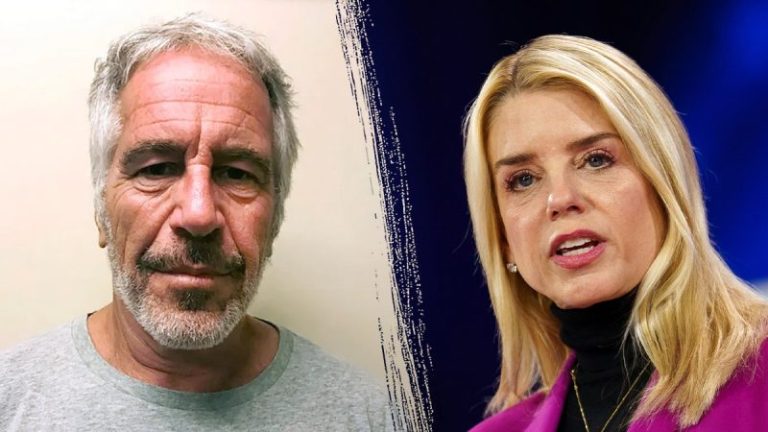
Department of Justice officials are facing threats of legal action after the department missed the Epstein Files Transparency Act’s stated deadline to publish all its documents related to Jeffrey Epstein – but the law may lean in the DOJ’s favor.

DOJ officials have continued to review and upload the files more than a week after the congressionally mandated Dec. 19 due date, spurring Democrats and some Republicans to call for a range of consequences, from contempt to civil litigation. The DOJ is, however, defending the drawn-out release process, suggesting that rushing to publish piles of unexamined material would also flout the law.

Deputy Attorney General Todd Blanche said in a recent interview on ‘Meet the Press’ there was ‘well-settled law’ that supported the DOJ missing the transparency bill’s deadline because of a need to meet other legal requirements in the bill, like redacting victim-identifying information.

The bill required the DOJ to withhold information about potential victims and material that could jeopardize open investigations or litigation. Officials could also leave out information ‘in the interest of national defense or foreign policy,’ the bill said, while keeping visible any details that could embarrass politically connected people.

Last week, the DOJ revealed that two of its components, the FBI and the U.S. attorney’s office in the Southern District of New York, had just gathered and submitted more than 1 million additional pages of potentially responsive documents related to Epstein’s and Ghislaine Maxwell’s sex trafficking cases for review.

The ‘mass volume of material’ could ‘take a few more weeks’ to sift through, the DOJ said in a statement on social media, adding that the department would ‘continue to fully comply with federal law and President Trump’s direction to release the files.’ 

The DOJ’s concerns about page volume and redaction requirements echo those frequently raised in similar litigation surrounding compliance with Freedom of Information Act requests, where courts have stepped in to balance competing interests of parties in the cases rather than attempting to force compliance on an unrealistic timetable.

The conservative legal watchdog Judicial Watch has seen mixed success over the years in bringing FOIA lawsuits, showcasing the court’s role in mediating such disputes.

Judicial Watch brought several lawsuits against the government over Hillary Clinton’s private email server scandal, leading a federal judge at one point to allow the conservative watchdog to move forward with questioning Clinton aides as part of a discovery process as it sought records on the matter. The decision was later reversed at the appellate court level.

In a separate case, the appellate court sided with Judicial Watch by reversing a lower court ruling as part of a longstanding legal battle the watchdog waged with the DOJ over obtaining Acting Attorney General Sally Yates’ emails. The D.C. Circuit Court found that the DOJ could not withhold email attachments from Yates’ account and ordered further review on the matter.

In the current controversy over the Epstein files, lawmakers are pressuring the DOJ by threatening a combination of political and legal remedies over the 30-day deadline and over what they view as excessive redactions. 

Senate Minority Leader Chuck Schumer, D-N.Y., vowed to bring a resolution up for a vote when the Senate returns from the holidays that would direct the Senate to initiate a lawsuit against the DOJ for failing to comply with the transparency act’s requirements.

‘The law Congress passed is crystal clear: release the Epstein files in full, so Americans can see the truth,’ Schumer said. ‘Instead, the Trump Department of Justice dumped redactions and withheld the evidence — that breaks the law.’

Reps. Ro Khanna, D-Calif., and Thomas Massie, R-Ky., who spearheaded the transparency bill, warned that they plan to pursue contempt proceedings against Attorney General Pam Bondi in light of the DOJ missing the deadline and making perceived over-redactions.

A group of mostly Democratic senators also called on the DOJ inspector general to investigate the department’s compliance with the law.

The DOJ has maintained that releasing unreviewed documents would violate the law, saying last week that it had ‘lawyers working around the clock to review and make the legally required redactions.’

This post appeared first on FOX NEWS

The Trump administration announced a $2 billion pledge for United Nations humanitarian aid Monday and warned agencies must ‘adapt, shrink, or die’ under its overhaul, according to a statement from the Department of State.

The new package comes as the administration reins in traditional foreign assistance and pushes humanitarian organizations to meet stricter standards on efficiency, accountability and oversight.

‘Individual U.N. agencies will need to adapt, shrink, or die,’ the statement said after outlining what it called ‘several key benefits for the United States and American taxpayers.’

‘The United States is pledging an initial $2 billion anchor commitment to fund life-saving assistance activities in dozens of countries,’ the State Department said.

The administration also said that the contribution is expected to shield tens of millions of people from hunger, disease, and the devastation of war in 2026 alone, with a new model significantly reducing costs. 

‘Because of enhanced efficiency and hyper-prioritization on life-saving impacts, this new model is expected to save U.S. taxpayers nearly $1.9 billion compared to outdated grant funding approaches,’ the statement said.

Secretary of State Marco Rubio said the approach is intended to force long-standing reforms across the U.N. system and reduce the U.S. financial burden.

‘This new model will better share the burden of U.N. humanitarian work with other developed countries and will require the U.N. to cut bloat, remove duplication, and commit to powerful new impact, accountability, and oversight mechanisms,’ Rubio said in a post on X.

The pledge is smaller than previous U.S. contributions, which officials said had grown to between $8 billion and $10 billion annually in voluntary humanitarian funding in recent years.

Administration officials said those funding levels were unsustainable and lacked sufficient accountability.

Jeremy Lewin, the State Department’s senior official overseeing foreign assistance, underscored the administration’s position during a press conference in Geneva.

‘The piggy bank is not open to organizations that just want to return to the old system,’ Lewin said in the statement. ‘President Trump has made clear that the system is dead.’

The funding commitment is part of a newly signed Memorandum of Understanding between the U.S. and the U.N. Office for the Coordination of Humanitarian Affairs (OCHA).

The agreement replaces project-by-project grants with consolidated, flexible pooled funding administered at the country or crisis level.

Tom Fletcher, the U.N.’s top humanitarian official and head of OCHA, welcomed the agreement, calling it a major breakthrough. ‘It’s a very significant landmark contribution,’ Fletcher said, according to the Associated Press.

U.S. Ambassador to the United Nations Mike Waltz also said the deal would deliver more focused, results-driven aid aligned with U.S. foreign policy interests, while the State Department warned future funding will depend on continued reforms.

This post appeared first on FOX NEWS

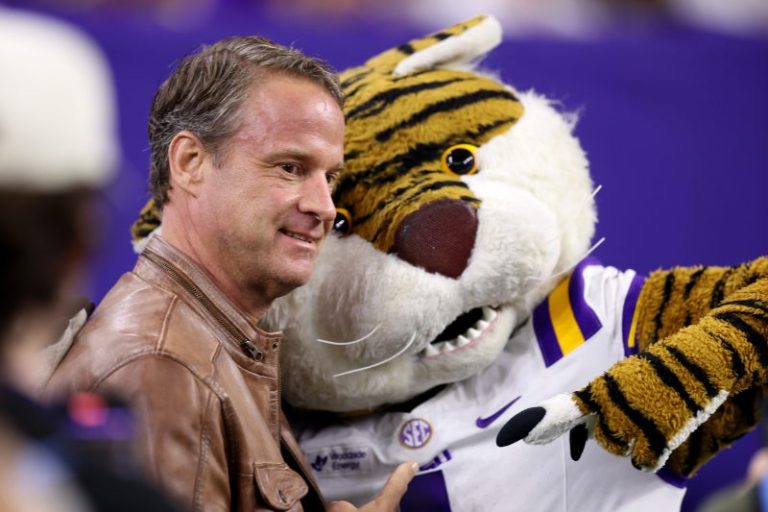
How can Ole Miss get revenge on Lane Kiffin? By proving him wrong.
A Mississippi national championship would show Kiffin what he’s missing.
Kiffin must see LSU as a path to greatness. Brian Kelly thought the same thing.

As Mississippi fans pulled mustard bottles and golf balls from their Christmas stockings in preparation for Lane Kiffin’s return visit next season, I hate to tell the Rebels faithful there’s really only one form of payback that’ll cut Kiffin deepest.

Pelting him with a yellow Strata range ball or trashing your own field with French’s bottles simply won’t do. Tennessee fans already tried that. Kiffin enjoyed it so much, he kept the golf ball as a souvenir.

To make Kiffin feel pain, Ole Miss must prove its former coach wrong.

How? By winning the national championship and showing Kiffin it didn’t need him to do so.

If yoga-abstaining Pete Golding celebrates a national title, you just know Kiffin will torture himself wondering whether he made the right decision. Because, Kiffin wouldn’t have thought Golding glory possible, or at least incredibly unlikely.

If Kiffin thought Ole Miss could win the national championship, he wouldn’t be tweeting from Baton Rouge or making grocery runs on vacation in SoCal or posting a pic from after his latest hot yoga sesh. He’d still be coaching the Rebels.

That’s an opinion, but I believe it to be true.

When Kiffin chose LSU over accepting a raise to stay at Ole Miss and coach the Rebels in the playoff, he signaled he doesn’t think this team can win the grand prize.

For Ole Miss to score the truest, sweetest payback, I guess there’s only one thing left to do, as the movie character Jake Taylor put it in “Major League.” Win the whole bleepin’ thing.

To continue that quest, Ole Miss will need to upset No. 3 Georgia in the Sugar Bowl.

Would Lane Kiffin have left a national championship team? Doubt it

Coaches, even renegades like Kiffin, don’t walk out on national championship teams.

Kiffin takes pride in his analytical mindset. He helped popularize the idea of going for fourth down instead of punting, when the analytical charts indicate keeping the offense on the field is the smarter mathematical move.

Kiffin didn’t leave Ole Miss for LSU on a whim. Instead, he analyzed LSU, Florida and Ole Miss and deduced, rightly or wrongly, he’d have the best opportunity to win a national championship in Baton Rouge.

Never mind that Ole Miss reached the playoff this season. Not all teams that reach a 12-team playoff enjoy a strong chance to win the title.

Kiffin wanted to coach the Rebels in the postseason as LSU’s coach. Unsurprisingly, Ole Miss athletic director Keith Carter didn’t go for that idea. If Kiffin truly believed Ole Miss had a prime chance to win the national title and flourish in perpetuity, push wouldn’t have come to shove. He would’ve stayed. That’s my belief, anyway.

The odds said the Rebels were a longshot to be national champion of this playoff. Our eyeballs told us Ole Miss had an excellent offense but a permeable defense, and wouldn’t it need a better defense to win four playoff games? Kiffin couldn’t miss what the rest of us noticed.

While Lane Kiffin tweets at LSU, Ole Miss can get payback

Kiffin likes to say he doesn’t think outside the box. He builds a new box.

We saw a sixth-seeded playoff team and an incredible long-term opportunity for Kiffin to flourish at Ole Miss. He saw a playoff loser, a glitzy job at LSU and fertile recruiting ground from which he could build that new box in Baton Rouge.

And, so, Kiffin left, just as Brian Kelly left Notre Dame for LSU before him.

Kiffin and Kelly each watched Nick Saban, Les Miles and Ed Orgeron win a national championship coaching the Tigers. If those guys could do it, why couldn’t they? Kelly must still be wondering that.

Kiffin became the “Portal King” at Ole Miss, but LSU enjoys high school recruiting advantages as a national brand operating as the lone Power Four school within a talent-rich state.

These aren’t new ideas. Kelly harbored this outlook after arriving from Notre Dame. He failed at LSU, never making the playoff in four seasons.

Despite the oft-recited fact LSU has had three coaches win national titles during this millennium, here’s another reality: LSU has made the CFP just once in 12 installments of either the four- or 12-team playoff.

NIL and transfer free agency changed the game. What Saban achieved at LSU in the 2003 season matters less now than ever before.

Kelly learned the hard way national titles don’t grow on the bald cypress trees in Louisiana. That’s just Spanish moss.

Kelly built an LSU team good enough for the Texas Bowl. That got him fired. Kiffin built Ole Miss into a playoff program. That made him the darling of the coaching carousel.

Kiffin must believe he can attain national championship glory at LSU, something he didn’t think Ole Miss capable of achieving. Kiffin finding out he was wrong about Ole Miss would be a form of payback he’d never forget.

Blake Toppmeyer is the USA TODAY Network’s senior national college football columnist. Email him at BToppmeyer@gannett.com and follow him on X @btoppmeyer.

This post appeared first on USA TODAY
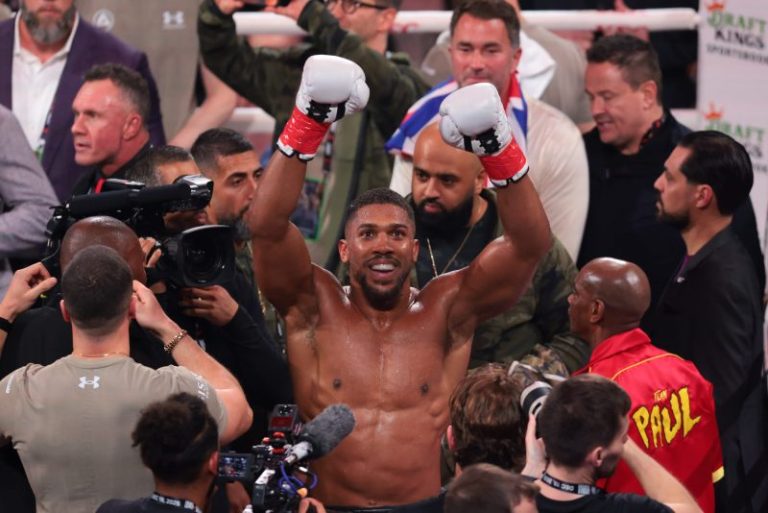
Former heavyweight boxing champion Anthony Joshua was injured in a car accident in Nigeria in which two people were killed, authorities confirmed Monday.

Reuters and the BBC cite local media reports that Joshua, 36, was taken to a local hospital following the two-vehicle crash.

Joshua, the son of British-Nigerian parents, was in the back of a vehicle when it collided with a stationary truck Monday morning Dec. 29, on the busy Lagos-Ibadan expressway.

Nigeria’s Federal Road Safety Corps said five men had been involved in the accident. Joshua suffered minor injuries, two people lost their lives and two walked away unhurt, the FRSC said.

An investigation into the cause of the crash is ongoing. Joshua could not be reached for comment.

In his most recent fight, Joshua knocked out Jake Paul in the sixth round of their highly anticipated Dec. 19 bout in Miami.

Joshua had returned from a 15-month layoff for the Paul fight. He is expected to meet long-time rival Tyson Fury in 2026.

This is a developing story and will be updated.

This post appeared first on USA TODAY